Arkansas Explained: Understanding the data center boom and debate
May 22, 2026 | 4:42 pm ET
Description
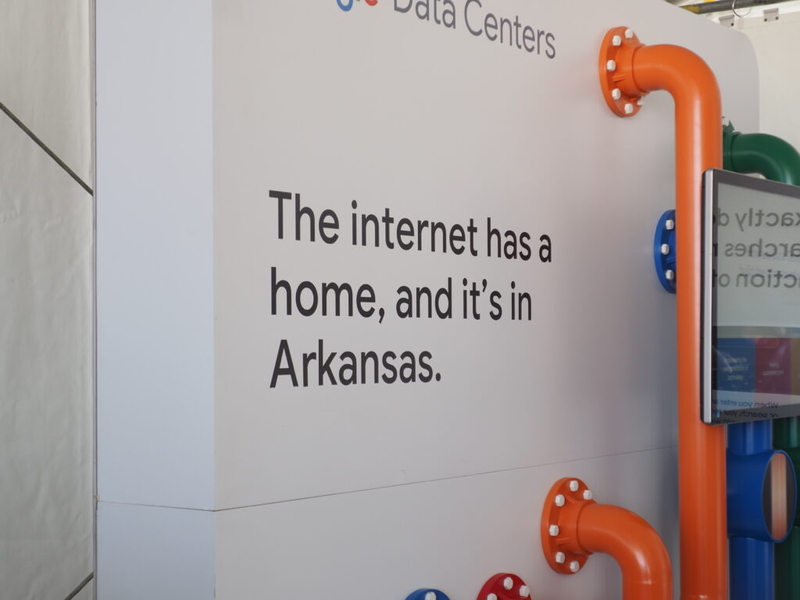
Signage at the official announcement of the Google data center in West Memphis on Oct. 2, 2025. (Photo by Ainsley Platt/Arkansas Advocate)
Hailed by officials and economic developers as a boon to the state, data center projects heading to Arkansas are facing increasing scrutiny and calls for local regulations.
Since an overhaul of energy permitting laws credited with luring more data centers was enacted last year, companies have announced plans for five such projects statewide. Two of them are already under construction.
‘They own it’: A split-screen view of data centers comes to central Arkansas
But the rapid announcements and secretive negotiations with local governments and business chambers have prompted an outcry from some Arkansans. Reassurances from utilities that costs won’t be shifted to existing customers haven’t assuaged fears.
Where are the data centers being built?
There are five data center plans in various stages of development as of May 21.
- Pulaski County: Announced in January by AVAIO Digital, a Connecticut-based company. Located just east of Interstate 530, AVAIO said its initial $6 billion investment could balloon into $21 billion. It also said it had contracted with Entergy Arkansas for an initial 150 megawatts of power — ballooning into 1 gigawatt if the project is fully built out. With 2026 being the first year that gigawatt-scale data centers will come online, that would likely make it among the most power-intensive data centers in the country.
- Little Rock: First made public in April 2025 when the city of Little Rock sold land to what eventually was revealed to be Google for a planned $1 billion, 300,000-square foot data center. It is currently working to receive regulatory approvals from the state and federal government related to wetlands on the property.
- West Memphis: Google began construction on a $4 billion data center in West Memphis last year with the enthusiastic support of West Memphis’ mayor. It will be accompanied by a 600 megawatt solar project that it is “collaborating” with Entergy Arkansas on.
- Clarksville: Serverfarm, a California-based company that owns data centers across the country, has begun work on its first Arkansas facility since the project was announced last year. The planned $8 billion center is next to the Johnson Regional Medical Center.
- Conway: The city has received interest from an unnamed Fortune 500 company for building a $1 billion, 300,000-square foot data center. The man listed as the manager for the firm acting as the unnamed company’s intermediary is the same man who headed up the intermediaries for both Google data centers projects before Google announced it was behind them.
What is a data center? And why are people so worried about them?
Data centers underpin just about every facet of online life; containing the servers, networking equipment and data storage required for providing services ranging from cloud computing to social media feeds.
But with the advent of artificial intelligence, which requires much more computing power and more advanced hardware, construction on data centers has accelerated at a dizzying pace.
More than 1,500 centers are planned across the country.
Some take issue with the vast amounts of power and water large data centers use, and the potential impact on utility bills. Others chafe against the public’s lack of input into projects and the economic incentives that attract them, brought about by nondisclosure agreements signed by local officials. Some have other environmental fears, such as the potential for ongoing noise or increased flood risk from filled wetlands.
How are Arkansans pushing back?
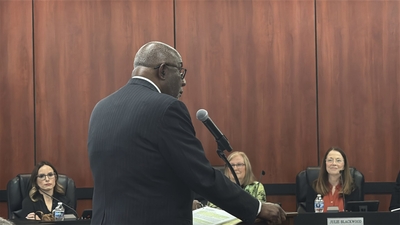
In central Arkansas, residents opposed to data centers crowded into board rooms in Conway and Little Rock, while many more commented on social media videos and posts expressing their dismay over data center projects.
Momentum for regulations on data centers is also picking up in Arkansas’ most-populous county, even after the Pulaski County Quorum Court voted to send proposed regulations to the county planning department for a 90-day review.
Little Rock Mayor Frank Scott, Jr. who stood with supporters at a press conference last week, announced his support Tuesday for data center regulations.
Wendell Griffen, the Democratic nominee for Pulaski County’s top elected position who wrote Pulaski County’s proposed regulations, has made data center regulation a central part of his campaign. Griffen has pushed for the quorum court to enact an emergency moratorium.
What are supporters doing?
The Little Rock Regional Chamber launched an informational website last week about the two projects in Pulaski County. Utility leaders insist that costs for serving the data centers would not be shifted to existing customers.

In West Memphis, Google launched a $25 million “Energy Impact Fund” last year to be used for energy efficiency and weatherization projects. The company is collecting feedback on possible community projects for the Little Rock area on the company’s information website.
What do the proposed regulations do?
In Pulaski County, the regulations would require public notice for “high-intensity digital infrastructure” in the unincorporated parts of the county and disclosure of expected utility impacts. They would also establish a conditional-use permit process for data centers that meet certain electrical- or water-use criteria.
The Pulaski County regulations would not limit the amount of power a project can draw or the amount of water used. It would require companies to certify whether they are paying all infrastructure costs, or if the costs are spread, in part or in whole, to other ratepayers.
The proposals also prohibit permit applications from being approved unless the county is provided with “substantial evidence” that the electrical infrastructure needed would not be subsidized by existing ratepayers.
But any project that has already achieved certain milestones, such as final approvals from the county or binding agreements with utilities, would be grandfathered in and would not be required to provide that information.
Scott’s proposed regulatory framework for projects inside Little Rock appear less intensive, and would only apply to data centers covering 250,000 square feet or more that use more than 50 megawatts of power. New data centers would be required to submit a report outlining total daily water use to the city before being approved, as well as provide other information to the city.
What tax breaks are these centers receiving?
Arkansas lawmakers in 2023 passed sales tax exemptions for building data centers, purchasing equipment, and for the electricity the data centers use. Legislators also passed the Generating Arkansas Jobs Act in 2025, which allowed utilities to recoup the cost of building new power generation before they finish building it.
Those sales tax exemptions were expanded when lawmakers voted in 2025 to lower the criteria for qualifying for the breaks and to allow data centers spanning multiple locations to qualify.
The law requires companies receiving the tax breaks to have a minimum annual payroll of $1 million for two years after the data center is built. That figure can include indirect compensation, such as paid time off, 401k retirement accounts and health insurance plans. Larger data centers have to meet a $3 million annual requirement over the same period.
Supporters said the Generating Arkansas Jobs Act would enable the state to attract data centers and other businesses when legislators were considering it. Republican Gov. Sarah Huckabee Sanders said last October that new tax credits from the law helped lure Google to Arkansas.
The Little Rock Google center and the unnamed Conway center are also receiving local property tax breaks. Little Rock has also agreed to slash or eliminate franchise fees, the payments made by utilities on revenue, for the projects.
Little Rock