Arkansas children face real dangers. Reading ‘The Odyssey’ isn’t one of them.
May 17, 2026 | 6:00 am ET

Description
(Getty Images)
It’s hardly news that being a parent is a nerve-wracking experience these days. Between fears of gun violence at school and predators online, there’s more than enough nightmare fuel to keep us up late at night long after we tuck our children into bed.
But the Arkansas Library Board has identified the true danger to young ones. It’s Homer’s epic “The Odyssey,” images of Michelangelo’s “David” or passages from “The Canterbury Tales.”
The board this month proposed new rules for libraries to receive state aid that require restricting children’s access to materials it deems sexually explicit. It’s the latest attempt to portray librarians as indoctrinators and part of a nationwide effort to effectively ban books that include any references to LGBTQ+ people.
In their zeal to limit access to these books, the board has unveiled rules so broad they’d wall off some of the most famous works of art and classic literature available at the state’s libraries. At a time when many parents are struggling to get their children to stay off screens and pick up a book, locking down the state’s library collections sends the worst possible message.
Under the proposal, libraries seeking state funding would have to ensure that “sexually explicit” materials are placed in a section designated for patrons 18 years and older. Anyone under the age of 16 would not be able to check out those materials without a parent’s consent.
Arkansas Explained: Proposal aimed at restricting access to ‘sexually explicit’ library books
The notion on its face might be appealing to parents who don’t want their children to have access to pornographic materials. But the fine print of the rules shows just how far it goes.
The proposal defines sexually explicit as books and materials that include images or descriptions of sexual acts, sexual contact or human genitalia. For defining sexual acts and contacts, it relies on a definition laid out in a federal law regarding sexual abuse.
That definition treats the epic story of Odysseus — including some of his risque exploits — as too dangerous to be freely available. That also goes for any picture of nearly every well-known work of art from the Renaissance. Teens wanting to learn more about the Holocaust would need to get their parents’ approval before checking out copies of “The Diary of Anne Frank” or the graphic novel series “Maus.” Aspiring doctors might as well wait until college before they freely look at most medical textbooks, too.
Not even the Bible, which has its fair share of R-rated content, would be immune from the wide net these restrictions cast. The rules could force some libraries to make the bulk of their collections designated for people 18 and older.
Supporters may dismiss these fears as overblown, but the risk is real. Recent history is replete with examples of books being challenged or restricted based on rules as vague as these.
The proposed rules also pose logistical challenges, including whether librarians will be tasked as bouncers checking IDs of people before they enter the section looking for a copy of “The Scarlet Letter” or “To Kill a Mockingbird.” The library board is threatening funding for libraries while it’s also imposing a new unfunded mandate with the new costs these restrictions require.
These questions aren’t exactly new. They’re the same reason why a federal judge struck down parts of a 2023 law that would have done the same thing by imposing criminal penalties on librarians for providing material deemed “harmful” to minors. The rules are a backdoor way to reinstate these restrictions by threatening libraries’ funding.
There’s no argument that children need protection these days, especially from the exploitation and mental health dangers of an increasingly online world. The state has shown there’s bipartisan support for efforts to address concerns about screen time by banning students’ cell phones at school.
But those measures don’t mean much if at the same time Arkansas treats libraries as though they’re even more of a threat.
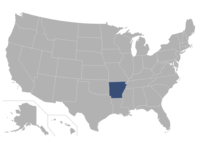
Little Rock