Alabama delays rescheduling of marijuana to determine implementation
May 22, 2026 | 6:01 am ET

Description
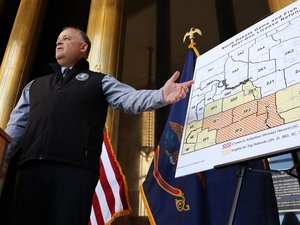
Alabama State Health Officer Dr. Scott Harris speaking at the State Committee on Public Health meeting on April 9, 2025, in the RSA tower in Montgomery, Alabama. The committee on Thursday delayed the rescheduling of marijuana from Schedule I to III to determine the implementation of the change. (Anna Barrett/Alabama Reflector)
The governing body of the Alabama Department of Public Health (ADPH) Thursday voted to object to a federal rescheduling of marijuana after state health officials said they needed more time to determine how to implement it.
Dr. Scott Harris, Alabama’s top health official, told members of the State Committee of Public Health that the state “fully intends” to implement the change.
“We’re not saying Alabama’s not going to do this,” Harris told the committee. “We certainly are going to do this, but if you receive it without objection, it’s scheduled immediately. If you do nothing, it’s scheduled within 30 days. I’m going to ask you to take the third option, which is to object. Then we just have a little bit of time to figure this out with all of our other stakeholders.”
The committee vote was unanimous. Brian Hale, ADPH’s chief legal officer, said during the meeting the objection would trigger a public comment period. That period would last 30 to 60 days.
“The objection is simply to allow more time for input into the implications of this rescheduling,” Hale said. ‘There’ll be a public hearing scheduled, we’ll see comments that way, and then we’ll talk to other stakeholders, licensing boards and others that may be affected to see what their input may be.”
In April, the U.S. Department of Justice (DOJ) moved marijuana from Schedule I – the Drug Enforcement Administration’s list of drugs with the greatest potential for abuse and least legitimate use – to Schedule III, with drugs considered to have a moderate to low potential for physical and psychological dependence, according to the U.S. Drug Enforcement Administration. The order followed an executive order signed by President Donald Trump in December instructing the DOJ to move towards rescheduling.
Former President Joe Biden instructed the DOJ to reschedule the drug in 2024, but hearings on the move were canceled in early 2025.
The federal order applies to state-licensed medical marijuana products in the states that allow medicinal use of the drug. The move means those businesses can deduct business expenses from their federal taxes and researchers have access to state-legal products. As a Schedule I drug, only cannabis grown in a federal facility could be studied, severely limiting the supply available to researchers.
Alabama has a medical cannabis program passed by the Legislature in 2021. A Montgomery dispensary said last week that it expects to make medical marijuana available to patients soon. A message seeking comment from Vince Schilleci, the owner of the dispensary, was left Thursday afternoon.
Harris said that rescheduling would not be in violation of state law, but after talking with the Alabama Medical Cannabis Commission (AMCC), he was unsure how the rescheduling would impact the program.
“We have been working really hard to try to figure out what the implications of this are. There are a number of things that don’t exactly conflict with state law or other rules, but they require some thinking to figure out how to implement,” Harris said.
Justin Aday, general counsel for the AMCC, said in a phone interview that the commission does not foresee any immediate impact of the federal rescheduling or the delay of rescheduling at the state level.
“We certainly understand the committee and their desire to collect additional information about exactly what the implication is of the federal rescheduling and what the implication would be, depending on where medical cannabis is scheduled at the state level,” Aday said. “We will certainly participate in that process as needed, and provide whatever information we can.”
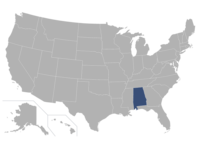
Montgomery