‘Not alone’: Va. health agencies launch postpartum depression resource campaign
May 22, 2026 | 5:26 am ET
Description
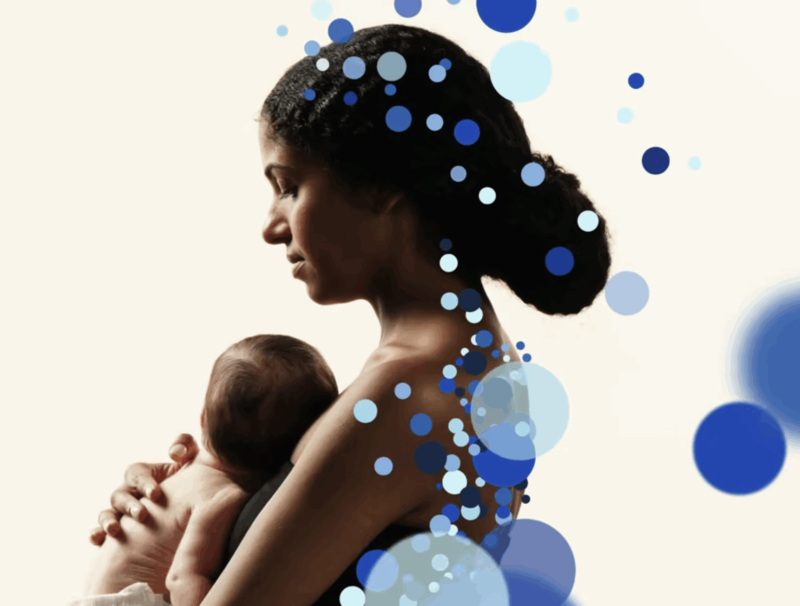
A screenshot of an informational video as part of Virginia's "Beyond the Blues" campaign to raise awareness about postpartum depression and resources to treat it. (Photo courtesy Virginia Department of Health, Department of Behavioral Health and Developmental Services)
Virginia state health agencies are raising awareness about postpartum depression, a mental health disorder that can affect some parents after giving birth, through a new campaign called “Beyond the Blues.”
“Many new parents feel isolated when they are struggling with mood and mental health,” said VCU Health Nurse Practitioner Robin Lawson. “There remains a great deal of stigma around mental health that prevents people from talking about it.”
Postpartum depression symptoms can range from severe mood swings and difficulty bonding with the baby, to extreme fatigue, seclusion from loved ones and occasional thoughts of self-harm or harm to the newborn.
Lawson, who runs a support group through VCU Health, called the disorder an “insidious way of tricking our brains.”
It’s why she’s grateful that the new campaign from the state’s Department of Health and Department of Behavioral Health and Developmental Services can help spread the word of available resources.
Last year the state legislature allocated over $553,000 dollars for the campaign and to develop an online resource hub. Secretary of the Commonwealth Candi Mundon King, then a state delegate, previously carried the legislation that former Gov. Glenn Youngkin signed into law as part of a broad package of bills to bolster maternal health.
The website includes a care coordination request form that people struggling with the disorder or their loved ones can fill out to connect with resources and a database of support groups around the state hosted by hospitals or nonprofits – some in Spanish and some with a focus on LGBTQ+ parents.
“Support often begins with the people closest to a parent,” said VDH Commissioner Dr. Cameron Webb. “You don’t have to be an expert to help. If you notice something, you can ask, listen without judgement, and help them take that next step.”
Lawson explained that parents often relay to her that if they feel “anything other than gratitude and adoration (over being a new parent), then I must not be a good mom.” But the disorder doesn’t make anyone a bad parent, she said.
In her support group, Lawson focuses on helping parents feel less isolated, recognizing that they’re not alone and accessing support systems.
She emphasizes the importance of sleep and that people should coordinate with their partners, other family members or postpartum doulas to rest whenever possible.
She said that it’s also paramount that parents-to-be have conversations with their partners about how to manage household labor before the baby arrives and how to adjust after the baby is born because “caring for a newborn is more than a full-time job.”
About one in eight women in the U.S. struggles with postpartum depression, according to the Centers For Disease Control and Prevention. Lawson noted how the disorder falls under an umbrella of diagnoses called Perinatal Mood and Anxiety Disorders (PMAD).
“The language has evolved as we have recognized that these symptoms may start during pregnancy and they may include more than just depression,” she said.
People may also cope with obsessive compulsive disorder, anxiety or post-traumatic stress disorder, for example. Certain factors, she added, can increase the likelihood of developing postpartum depression or PMAD, she said.
A personal or family history of mental health or mood disorders, difficult birth experiences, challenges breastfeeding, lack of social support or financial stress can all tip the scales towards someone experiencing the disorders. The rapid shift in hormones that occurs when pregnant and after giving birth is another factor. But postpartum depression can also strike someone who doesn’t have identifiable risk factors, Lawson said.
Postpartum depression remedies that medical professionals have endorsed include improving sleep, seeking support groups or individual counseling, or medication if needed. In some cases, people may need more intensive support like an inpatient program, according to VDH.
State lawmakers and multiple governors have tried to improve maternal health outcomes in recent years, including parents’ mental health.
While Mundon King’s bill from last year established the Beyond the Blues campaign, this year, Del. Margaret Franklin’s House Bill 1400 can require insurance coverage for maternal mental health screenings. Gov. Abigail Spanberger signed it into law last month.
Another round of ‘Momnibus’ bills are headed towards the governor this year
“As we all work to reduce the stigmas associated with mental health, conversation and connection is key,” DBHDS Commissioner Daryl Washington said.
“Starting that conversation with a friend or loved one experiencing mental health challenges during pregnancy or after birth can make an important difference in their lives and help assure them that they are not alone in this journey.”
Richmond, VA