Since 2012, Minnesota has spent $1.3 billion on an illusion of safety
May 27, 2026 | 10:06 am ET
Description
Photo by Alex Potemkin/Getty Images.
The Minnesota Sex Offender Program is expensive. In the last 14 years, it has cost us $1.3 billion. For that price tag, taxpayers should expect robust public safety benefits, but that’s not what we’ve gotten.
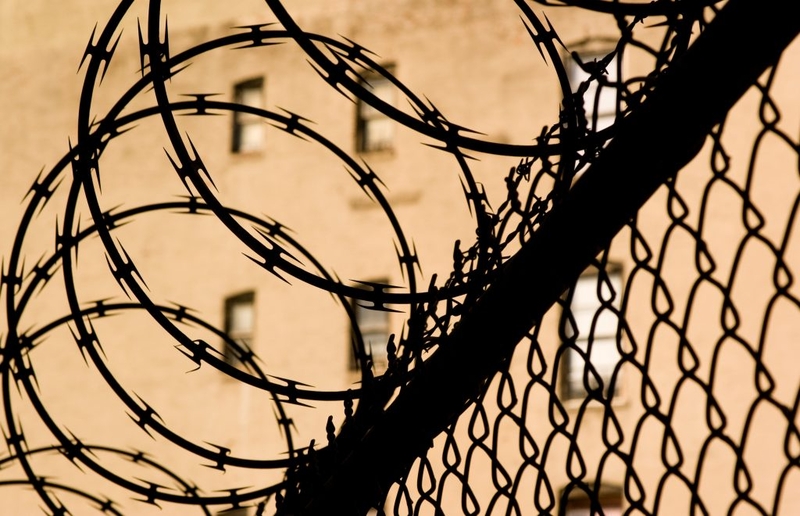
MSOP is a civil commitment program designed to provide treatment, behind double razor wire, after people convicted of sex offenses have finished their prison sentences. It is supposed to rehabilitate. But in its more than 30-year history, nearly 1,000 people have been locked up, and only 37 have ever been fully discharged.
The program was meant to prevent sexual violence, but thirty of fifty states have rejected this approach. Comparing states with and without civil commitment, empirical research demonstrates that civil commitment delivers no discernible impact on rates of rape and sexual assault. Yet we will spend a whopping $124 million this year to confine about 750 people at MSOP.
There is also the opportunity cost. We lavish funds on MSOP while evidence-based programs to prevent sexual violence and services to support victims are starved for resources.
Civil commitment programs in other states have figured out how to keep costs down without jeopardizing community safety. I don’t believe Minnesota should civilly commit people to MSOP, but so long as it does, we owe it to taxpayers to learn from other states.
Take Wisconsin. Drive three hours east of St. Paul, and you will find a program similar to MSOP, with a significantly smaller price tag. Wisconsin spends $79 million annually — about $45 million less than Minnesota.
One reason is due to Wisconsin releasing and reintegrating more than 10 times the number of people as Minnesota. Since 1994, Wisconsin has fully discharged nearly 400 people, and its secure facility currently has a population of 150 residents. You might be wondering whether this huge disparity in releases has made Wisconsin more dangerous than Minnesota. It hasn’t. In 2024, Minnesota and Wisconsin had almost the same rates of rape per capita, with Wisconsin’s being slightly lower. Minnesota taxpayers should ask policymakers why Wisconsin can do this for less.
So how do we get there?
We can start by preventing millions of dollars being spent every year locking up people who can safely be reintegrated into the community. The system needs to reduce the bureaucratic delay in processing release petitions. Incredibly, it takes about three years to process a petition for release. Each delayed release costs us almost half a million dollars, which is money that could be spent on effective sexual violence prevention. That’s the definition of waste.
We need to be proactive in identifying people who don’t belong behind the double razor wire. For example, research tells us that the risk of future assaults decreases as people age. People who are sixty or older — about one-third of MSOP residents — pose a particularly low risk. Yet Minnesota doesn’t regularly assess which detainees are ready for release. Most states mandate an assessment for each detainee annually, but Minnesota does not. The result? Many people are likely languishing at MSOP who could be released to less expensive community alternatives.
And when those people are identified, MSOP should petition for their release. Our law explicitly allows the Executive Director of MSOP to bring a petition for discharge or transfer at any time, but this prerogative is rarely exercised. That should change immediately.
Imagine what the $1.3 billion spent on MSOP in the past 14 years could accomplish if directed toward evidence-based programs that serve victims, intervene early, and stop harm before it happens.
That is what keeping communities safe looks like.

Saint Paul, MN