Four months into fiscal year, Idaho state revenues are $82.5 million above projections
Nov 23, 2026 | 6:15 am ET
Description
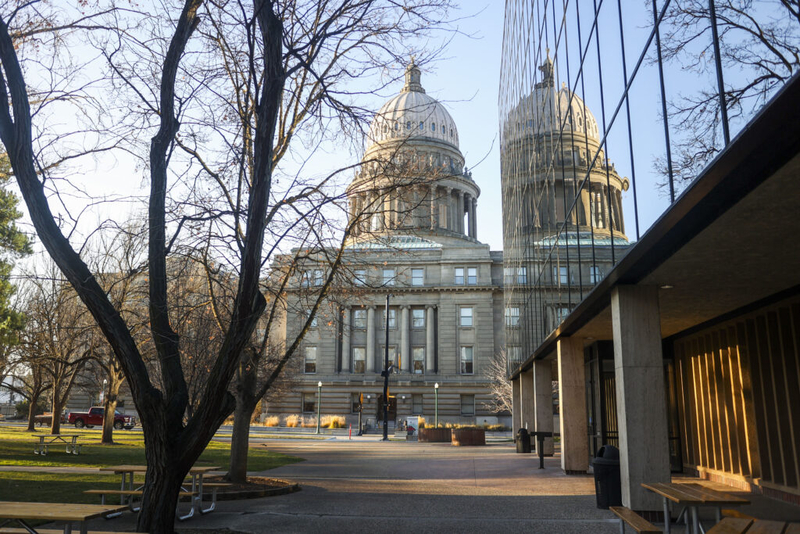
The Idaho State Capitol Building in Boise as seen on Jan. 14, 2026. (Photo by Pat Sutphin for the Idaho Capital Sun)
Through the first four months of fiscal year 2027, total Idaho state revenue collections are $82.5 million ahead of forecast, a new state report released last week shows.
Idaho officials request raise for disability caregivers and restoring cuts to mental health services
According to the October results posted in the new Fiscal Year 2027 Budget Monitor, the state is projected to end fiscal year 2027 in June with a positive ending balance of $688.3 million.
For the month of October itself, state revenues collections came in 1.9% below forecast. But year-to-date, state revenues are ahead of the forecast by 4.8%, the report shows.
The projected $688.3 million ending balance is an increase of almost $540 million compared to the ending balance Idaho state legislators estimated at the end of the 2026 legislative session.
“Things are looking positive,” said Sen. Scott Grow, a Republican from Eagle who serves as co-chair of the Idaho Legislature’s Joint Finance-Appropriations Committee. “I’m happy to see we are running a little ahead.”
Idaho runs on a fiscal year calendar that begins July 1 and ends June 30 each year. That means the October revenue report includes data from the first four months of fiscal year 2027.
What do Idaho’s increased revenues mean for budget setting next year?
Idaho state legislators will begin working on setting the fiscal year 2028 budget once the new legislative session begins in January.
So far, this year’s revenue increases are a change compared to last year, when state legislators approved across-the-board budget cuts for almost all state agencies and departments to pay for tax changes included in the federal One Big Beautiful Bill Act.
Grow’s committee, the Joint Finance-Appropriations Committee, or JFAC, is responsible for setting the state budget, which is then sent to the full Idaho House of Representatives and Idaho Senate for approval.
Grow said increased revenues could create new challenges for legislators during the upcoming legislative session.
“The challenge we have is when revenues look a little stronger, some may want to go back and undo the cuts, refill or replace the cuts that were made last session,” Grow said.
“I’ve been told before that when things are tight, it is more a little more understandable by departments and agencies that things are tight,” Grow said. “But when revenue seems to be strong, then we get a lot of (funding) requests.”
Grow said he doesn’t think the JFAC and the Idaho Legislature will reverse or backfill all of last year’s budget cuts this year.
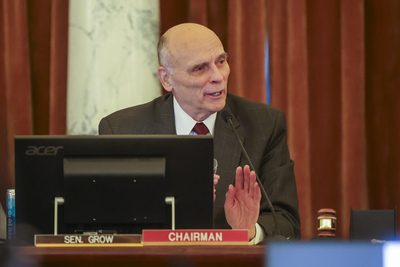
Personally, Grow outlined three priorities where he favors investing any available increased funding:
- Pay increases for state employees.
- Pre-funding the state’s wildfire suppression fund to pay next year’s wildfire bills.
- Providing transportation funding to adequately maintain Idaho’s highway system.
Grow said funding a change in employee compensation, or CEC, plan is his No. 1 priority after Idaho’s more than 20,000 state employees did not receive a pay increase this year.
“No. 1, we have got to have some sort of CEC, some compensation for our state employees,” Grow said. “We were flat this last year (on pay for state employees). Some of the departments have struggled with that and some agencies have lost some folks.”
On Thursday, the Citizens Committee on Legislative Compensation voted to freeze the pay for Idaho state legislators in place for one year, in line with state employees who did not receive a pay increase, the Idaho Capital Sun previously reported.
During Thursday’s meeting of the Citizens Committee on Legislative Compensation, House Speaker Mike Moyle, R-Star, said the Idaho Legislature will increase pay for state employees next year.
Boise, ID