Coloradans would be left to live with the wreckage of permitting bill
Nov 22, 2026 | 5:30 am ET
Description
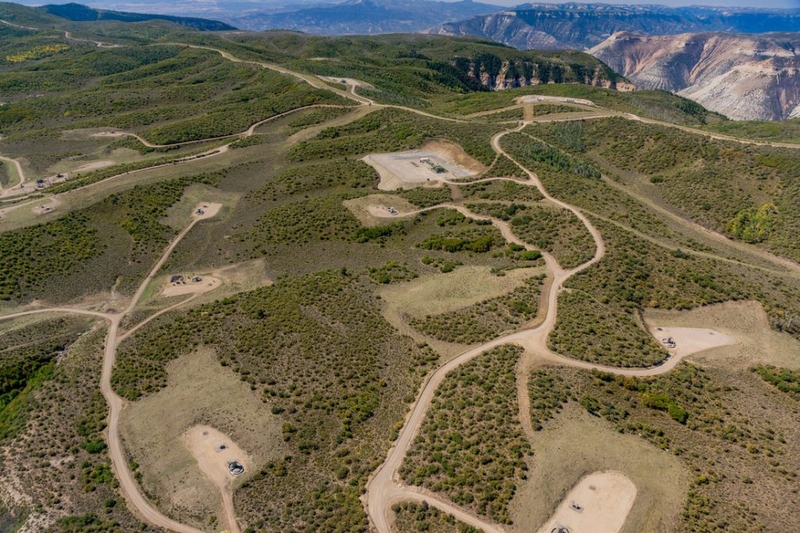
Oil and gas infrastructure is seen on the Roan Plateau in far western Colorado. (Courtesy of EcoFlight)
In the wake of an election in which Americans voted overwhelmingly to rein in President Donald Trump’s agenda, Congress is considering a bill that would remove legal guardrails on a president that has repeatedly shown his cards.
The Bipartisan American Affordability and Jobs Act, or BAAJA — which recently passed in the Senate — would allow the Trump administration to fast-track permits for activities like oil and gas development, mining, pipelines, data centers, transmission lines and ICE detention centers while significantly weakening bedrock environmental laws, including the National Environmental Policy Act and the National Historic Preservation Act.
The bill also includes “certainty” provisions that would make it more difficult — if not impossible — for future presidents to rescind or even modify unlawfully issued permits, no matter how harmful they are. If the bill passes, we could very well be stuck with the fallout from the Trump administration’s two-year-long smash-and-grab of our public lands, wildlife habitat and resources, all to benefit the fossil fuel and tech industries.
Ordinary citizens in Colorado and the wider West would be left to live with the wreckage. For example, the administration is already planning to sell oil and gas leases and allow mining on vast swaths of our national forests, Bureau of Land Management lands, and national monuments (putting Bears Ears and Grand Staircase-Escalante at risk), followed by fast-tracked permitting for the ensuing extraction. The Roan Plateau, public lands in northern Colorado’s Routt County, and thousands of acres of land with historic, cultural and religious importance to Indigenous peoples are all at risk. Drilling could occur with minimal, if any, analysis of its effects on Tribes, wildlife and habitat, clean water or recreation, and all without public comment.
Data centers could sprout on lands sold or leased by the Interior Department, something it has already started to do. Just this month, the Interior Department revealed in its strategic plan that it wants to “decrease the size of the federal estate” by offering public lands for sale. We could also be stuck with ICE detention centers like the one that the Colorado Immigrant Rights Coalition and GreenLatinos have challenged in Hudson, a suit that is based on National Environmental Policy Act violations. These permitted projects could proceed, even if the court rules the project is unlawful.
Not surprisingly, many Americans haven’t heard of BAAJA. It was released on Sept. 30 during the barrage of wall-to-wall election coverage. Congress is trying to jam this bill through without a single hearing and with no public debate. That’s nothing short of astounding for a bill this consequential. When voters learn more about the bill’s impacts, they oppose it.
Many of BAAJA’s supporters assert that it will unleash development of clean energy resources like wind and solar, and it’s true that the provisions facilitating construction of new transmission lines to serve those sources are important. But let’s not forget who we’re dealing with here: Trump said just recently that he would not permit wind projects, dubbing them “losers.” As long as this administration oversees the permitting process, the fossil fuel, pipeline and tech industries that have been lobbying intensely for this dog of a bill will unleash destructive oil and gas drilling, pipelines and data centers. Why would we put trust in an administration famous for the enrichment of itself and its allies, and for its hostility to clean energy?
Finally, one of the most egregious aspects of the bill is the way it excludes the voices of Tribes that will suffer devastating impacts to lands and cultural sites that are central to their way of life. The bill rolls back decades of progress, albeit imperfect, we have made in respecting Tribal interests and traditional knowledge.
There are examples of the federal permitting process taking too long, and the need to address that is legitimate. So let’s fix that problem, without sacrificing the environmental laws that have kept our lands, our waters and our communities safe in the process. Sen. John Hickenlooper was 1 of only 15 Democrats to support passage in the Senate, despite these significant blows to environmental protection. When the House votes, Colorado’s members should defend — not give away — the special places that their constituents value so highly.
Denver, CO