Wisconsin doesn’t have to accept new gas plants as inevitable
Oct 13, 2026 | 4:00 am ET
Description
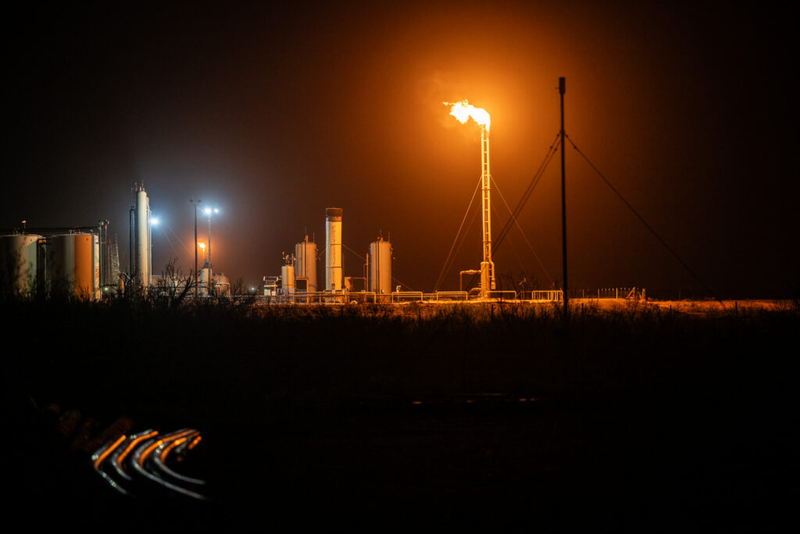
The XTO energy oil and gas plant is seen at night on March 24, 2024 in Coyanosa, Texas. (Photo by Brandon Bell/Getty Images)
Wisconsin is facing another major test of how it plans its energy future.
We Energies has proposed a new 750-megawatt natural gas plant in Wrightstown, the Fox North Energy Center. If approved, it could begin operating around 2032 and run for 30 years or more. With Fox North added to the queue, We Energies now has roughly 4.25 gigawatts of methane gas generation awaiting Public Service Commission approval.
The utility says the buildout is needed to meet rapidly growing electricity demand and maintain reliability. Data centers are a major part of that growth.
But projected demand does not make new gas plants inevitable.
Wisconsin is being asked to make decades-long energy decisions based on electricity demand forecasts that are changing faster than our regulatory system. That is exactly why new methane gas plants must first prove they are the cleanest, lowest-cost, lowest-risk option before customers are committed to paying for them.
Before Wisconsin commits customers to decades of fuel costs and long-lived infrastructure, regulators should ask a more important question: What combination of resources can meet that demand reliably, affordably and with the least long-term risk?
That means comparing new gas plants not just with one solar farm or one battery project, but with complete portfolios of solar, wind, storage, energy efficiency, transmission, distributed resources, nuclear power and demand flexibility.
Other states, including Minnesota and North Carolina, have already shown that regulators can challenge utility assumptions and require closer examination of alternatives rather than treating new gas plants as the default response to projected load growth.
Wisconsin can do the same.
That approach is already gaining support in Wisconsin, including among labor leaders who see comprehensive energy planning as an opportunity to create good-paying jobs.
Climate Jobs Wisconsin, whose leadership includes representatives of Wisconsin building trades and construction unions, recently advanced a “35 by ’35” clean-energy and good-jobs agenda. The proposal envisions roughly 35 gigawatts of new clean-energy resources by 2035, including storage, utility-scale solar, wind, nuclear generation and networked distributed power. A plan developed by the PSC would map what gets built, where and when, establish resource targets and create a grid-investment roadmap.
That is exactly the kind of planning Wisconsin needs.
Whether policymakers ultimately adopt those exact numbers is less important than the principle behind them: Evaluate the whole system before locking customers into decades of costs.
And expanding clean energy does not have to mean sacrificing Wisconsin’s best farmland or open space.
Renewable development can be directed toward brownfields, marginal and previously disturbed lands, rooftops, parking structures, industrial parks, sites near substations and existing infrastructure. Solar can also be integrated with agricultural production through agrivoltaics, allowing farming and energy production to coexist rather than compete.
Wisconsin should be able to protect prime agricultural land while dramatically expanding clean energy. Those goals are compatible if we plan carefully.
The jobs case matters, too.
Climate Jobs Wisconsin’s agenda is built around creating clean-energy careers with prevailing wages, registered apprenticeships and local hiring. It proposes tying those labor standards to PSC approvals and expanding Wisconsin’s ability to build new energy infrastructure with skilled union labor.
That is important because Wisconsin’s energy transition should not be framed as a choice between workers and the environment.
Done well, it is an industrial green growth strategy.
It can create careers for electricians, operating engineers, laborers, carpenters, pipefitters and other skilled trades while reducing exposure to volatile fuel costs and strengthening Wisconsin manufacturing.
The rapid growth of data centers makes this kind of comprehensive planning even more important.
Wisconsin families, farmers, manufacturers and existing businesses should not become the financial backstop for those investments.
If a gas plant is justified largely by projected data-center demand, regulators should determine how certain that demand really is, what alternatives were considered, who will pay for the plant and who bears the stranded-cost risk if forecasts change.
Transparency is equally important.
That means disclosing projected electricity and water use, infrastructure requirements, tax arrangements and long-term impacts before commitments become difficult to reverse.
It also means using transparent Community Benefit Agreements, so benefits are public, measurable and enforceable.
Transparency is not anti-development. It is how responsible development earns trust.
Wisconsin does not have an electricity shortage. It has a planning challenge.
The choice before us is not new gas or reliability. It is whether Wisconsin evaluates all available resources together before committing customers to another generation of long-term fossil fuel infrastructure costs.
The Fox North proposal gives Wisconsin another opportunity to get that right.
A new gas plant should have to prove it is necessary. It should not be treated as inevitable.
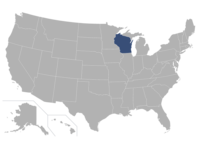
Madison, WI