Children with autism struggling to access therapy; advocates call on WV leaders to address Medicaid
Sep 29, 2026 | 3:21 pm ET
Description
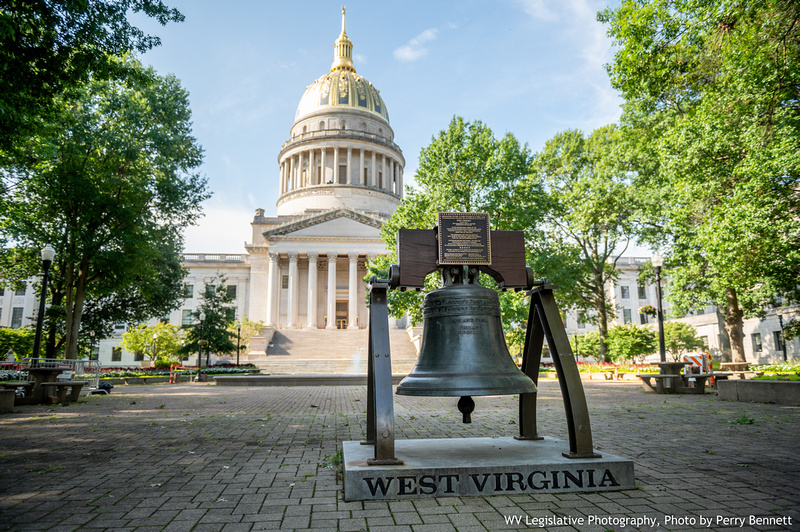
The West Virginia State Capitol in Charleston, West Virginia. (Photo by Perry Bennett/West Virginia Legislative Photography)
Advocates for West Virginia children with autism are calling on state officials to address a significant shortage of behavioral therapists who provide services.
The state’s Medicaid program, which reimburses behavioral therapists, pays providers at the lowest rate in the nation. These therapists deliver Applied Behavior Analysis therapy to children with autism that can help them with speech, daily living and staying safe.
The Mountaineer Autism Project said in a news release Tuesday that the low Medicaid reimbursement rate, which has plagued the state in the past, is a barrier to care.
Of roughly 20 ABA centers operating in the state, fewer than half currently accept Medicaid, the group said. Meanwhile, more than half of the state’s children receive insurance through Medicaid.
“These are not just numbers on a page,” said Ranzi Stacy, a mother from Bridgeport, West Virginia, and service coordinator from West Virginia Birth to Three. “I can tell you what wait lists mean. My children were on waiting lists for nearly two years before we finally got an opening for ABA therapy.”
“When you’re a parent, you’re watching the clock. Your child is getting older, but speech may not be coming, or they may not be learning to feed themselves or use the bathroom,” she added. “There is no worse feeling as a parent than knowing your child needs help and not being able to get it.”
West Virginia has just 186 Board Certified Behavior Analysts with master’s or doctoral level education who supervise ABA care. This equates to 10.5 for every 100,000 residents, the sixth-lowest ratio in the country.
Neighboring states have larger behavioral health workforces and pay higher Medicaid rates for ABA services compared to West Virginia.
“Earlier access can also reduce the need for more intensive and costly supports later in life,” said Jenna Wallace, a licensed pediatric clinical psychologist and co-owner of Unlocked Potential in Fairmont.
A 2021 study estimated that earlier identification followed by intervention services could save a family nearly $580,000 in care for an autistic child.
“Getting children the right care earlier is better for children and families, and it’s a smarter investment for West Virginia,” Wallace said.The Mountaineer Autism Project is a West Virginia nonprofit working to improve the lives of individuals with autism and their families.
The group has asked the state Bureau of Medical Services to complete and release a Medicaid rate study on ABA rates. The Medicaid reimbursement rates are set by the West Virginia Bureau for Medical Services.
Mountaineer Autism Project said the state should also update its Medicaid reimbursement rates “so providers can offer competitive wages, hire and retain qualified staff, and expand services for children covered by Medicaid.”
“We want to work with state leaders on solutions,” said Dr. Susannah Poe, president of the board of directors of Mountaineer Autism Project. “West Virginia has thousands of families who need care, providers who want to serve more children and people who can be trained for these jobs. If we get the reimbursement piece right, we can bring those things together — expanding access for children, creating career opportunities for West Virginians and building a workforce that stays right here at home.”
In 2024, Gov. Jim Justice increased Medicaid reimbursement rates for providers that worked with vulnerable adults and children in state waiver programs after mounting pressure about a shortage of care. The money was meant to improve pay for direct care workers, who earned around $11 an hour, but there was no requirement on how providers spent the money.
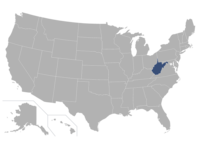
Charleston, WV