Medicaid is about to end in NC for thousands of refugees
Sep 29, 2026 | 3:30 pm ET
Description
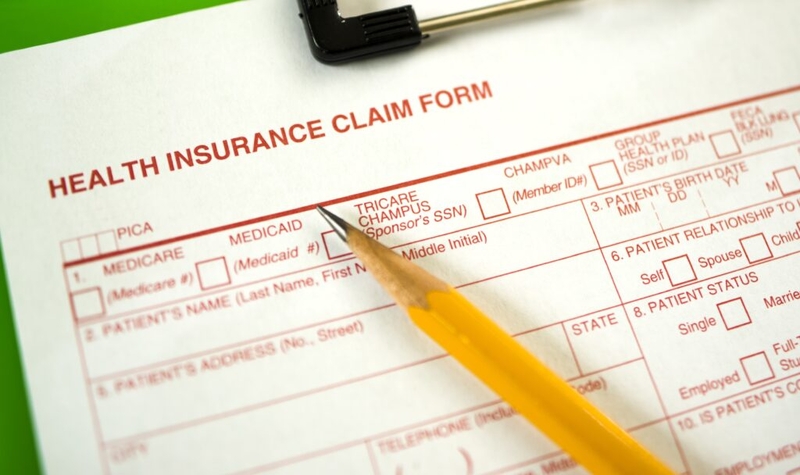
Thousands of refugees living in North Carolina will lose Medicaid on Oct. 1, 2026. (Photo: Getty Images)
Starting Oct. 1, about 14,000 people living in North Carolina who were admitted to the United States for humanitarian reasons will no longer have comprehensive health insurance coverage through Medicaid.
The provision ending most Medicaid coverage for refugees and people granted asylum was in the giant bundle of safety net and tax cuts Congress approved last year in the One Big Beautiful Bill Act.
The state Department of Health and Human Services alerted refugees and asylees who use Medicaid that their insurance coverage could end, state Medicaid director Melanie Bush said in an interview. Notices were sent a few months ago.
Earlier this month, they advised refugees to fill prescriptions and schedule medical, dental, and mental health appointments before their coverage ends. They were also urged to contact the office with any changes to their legal status that might affect their health coverage.
Initially, DHHS altered about 29,000 to the change. About half remain eligible because they fell into categories of immigrants able to keep their coverage. For example, Medicaid coverage will continue for children who are younger than 19, pregnant women, and women who have given birth within the last 12 months. Green card holders remain eligible for Medicaid.
The 14,000 who will lose health insurance coverage is a tiny fraction of the 3 million people in the state who have Medicaid.
Healthcare costs, Medicaid cuts draw increased scrutiny from NC Democrats ahead of midterms
Still, healthcare coverage is important to new arrivals to the country who are working at new jobs, enrolling their children in school, figuring out transportation, and otherwise adjusting to life in America. Refugees from Afghanistan, Myanmar, Syria and other countries have settled in North Carolina in recent years.
Adam Clark, executive director of World Relief Durham, said he is especially worried about people who have arrived with chronic conditions that haven’t been addressed.
“Refugees and persecuted people will have a longer path to self-sufficiency when we deny them food stamps and take away their medical care,” he said.
The federal law that made refugees ineligible for Medicaid also ended their eligibility for the federal food assistance program called SNAP.
Clark’s office settles an average of 350 refugees in the Triangle each year. Free clinics and clinics that offer care based on income may help fill new healthcare gaps, but some clinics may not have the capacity to meet the increased demand, he said.
Health screenings, comprehensive health care and mental health care help people “reset their lives here in North Carolina,” said Bush. “It is part of the overall safety net for these populations.”
For his part, Clark said he wished more people knew about the economic benefits refugees bring.
For example, they are more likely to start new businesses than people born in the United States and create jobs in those businesses, he said.
And as a Christian organization, World Relief wants foreigners and newcomers to be treated as the Bible instructs: “Love them as your own,” Clark said.
Raleigh, NC