Dartmouth Health announces at-home program to address rural challenges after $20M gift
Sep 29, 2026 | 3:51 pm ET
Description
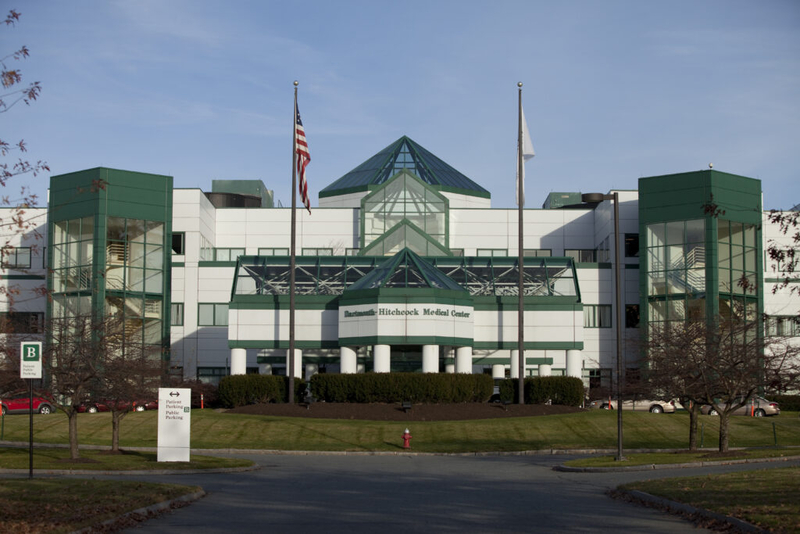
Dartmouth Hitchcock Medical Center's campus in Lebanon. Dartmouth Health at Home is the result of a $20 million donation from Dartmouth College alumnus Richard Levy. (Photo provided by DHMC)
Dartmouth Health and the Geisel School of Medicine at Dartmouth College announced Tuesday they’re launching a new at-home health care program, an effort to address healthcare delivery challenges in rural New Hampshire and Vermont where patients often live far from doctors and health facilities.
Dartmouth Health at Home aims to create “a suite of coordinated home services,” including primary and palliative care in a patient’s home, the health system said. Dartmouth Health is also establishing the Family Caregiver Institute at Dartmouth Health, which it said will offer hands-on training to caregivers, help people navigate what resources are available and provide home care aides. The Dartmouth Institute for Health Policy & Clinical Practice hopes the program can serve as a model to be replicated nationally.
Since 2020, the Susan & Richard Levy Health Care Delivery Incubator has worked to solve some of the health field’s biggest challenges, with a focus on providing care at home.
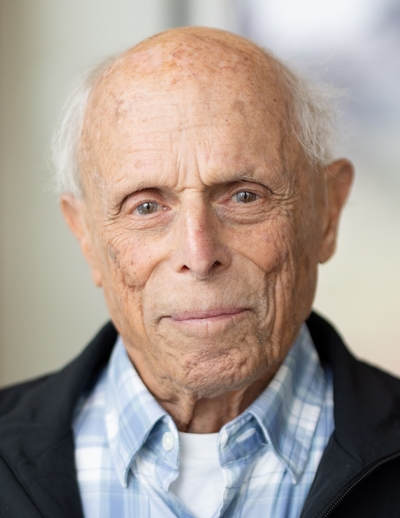
Dartmouth Health at Home is the result of a $20 million donation from Dartmouth College alumnus Richard Levy, a biotech executive and husband of a Lewy body dementia patient. When his wife, Susan Levy, was diagnosed with the progressive brain disease, he became her main caregiver and said he gained an intimate understanding of why the work of the incubator, which his donations also support, is so important.
“I learned first-hand that what Dartmouth Health was already doing through the Incubator was exactly what I needed at home,” Levy said. “It was clear that not only can we do a better job for patients and their families by keeping them at home, but we can also reduce costs for hospitals and make them more efficient and effective.”
Rural America’s healthcare system is in crisis. Across the United States, 20% of the population lives in rural areas, yet only 9% of physicians serve rural areas, according to an August 2025 Dartmouth report. Hospitals operating in rural areas face tough financial headwinds. The New Hampshire Hospital Association reported last year that four rural critical access hospitals in the state had negative operating margins. It also reported that hospitals across the state saw a 44% rise in operating expenses from 2019 to 2024 and experienced a 36.1% increase in labor costs driven by workforce shortages.
“The data are very clear: caregiving for a loved one leads to poor health outcomes for the caregiver,” Dr. Nathan E. Goldstein, chair of Dartmouth Health’s department of medicine, said in a statement. “These caregivers are often exhausted and struggling in extraordinarily difficult situations, including at home with their own medical conditions. As the nation’s most rural academic medical system, Dartmouth Health has a unique opportunity to lead a home healthcare revolution. The programs Dartmouth and Dartmouth Health will be able to develop through Dartmouth Health at Home will change that for those members of our community.”
Concord, NH