New Hampshire has a chance to build something better for kids
Sep 29, 2026 | 4:55 am ET

Description
"According to the 2025 Youth Risk Behavior Survey, 82.6% of New Hampshire high school students reported using social media several times a day, while 75.1% reported spending three or more hours a day on recreational screen time outside of schoolwork." (Getty Images)
New Hampshire has an important decision to make. Resources resulting from the state’s litigation with Meta create a rare opportunity to invest directly in the young people who were at the center of the concerns that led to this case. The question now is what we choose to build with that opportunity.
For years, conversations about young people and social media have focused largely on what we want kids to do less of: less scrolling, less screen time, fewer harmful online experiences. Those conversations matter, but they leave out another question that is just as important: What are we giving young people to connect to when they put the phone down?
New Hampshire’s own data makes that question worth asking. According to the 2025 Youth Risk Behavior Survey, 82.6% of New Hampshire high school students reported using social media several times a day, while 75.1% reported spending three or more hours a day on recreational screen time outside of schoolwork. At the same time, 34.2% reported persistent feelings of sadness or hopelessness, and 15.9% said they had seriously considered suicide during the previous year.
Those numbers don’t mean that social media alone caused the mental health challenges facing young people. We know it isn’t that simple, and telling kids to get off their phones isn’t a mental health treatment plan. What we do know is that young people need meaningful relationships, places where they feel like they belong and opportunities to connect with other people in real life.
We recently asked young people involved with Project Promise’s Youth in Government three simple questions: Where do you feel most connected? What do you wish existed in your community? And what does “real-life” connection mean to you?
Their answers weren’t about complicated programs or systems. They talked about sports, hiking, theater, clubs, being outdoors, spending time with friends and having places to hang out. One young person wanted more public spaces with activities. Another wanted a community center and more clubs. Another wanted a youth leadership group that could bring young people from different schools together.
Riley shared that they feel most connected doing extracurricular activities, such as sports and Youth in Government, because they are surrounded by people “who are passionate and want to be there like me.” Vander described real-life connection as “making friends, being a part of something, and/or having fun.”
That idea of being part of something matters. Tricia Brannen, executive director of YouthWell New Hampshire, described belonging as one of the most important protective factors for young people. “Knowing they matter, that they are supported, and that they are seen creates a powerful sense of connection that strengthens their mental health and helps them navigate challenges and thrive,” she shared.
We already see evidence of the importance of supportive adults in New Hampshire’s youth data. Nearly 74% of high school students reported having at least one teacher or other adult at school they can talk to if they have a problem, and more than 85% said they would feel comfortable seeking help from an adult other than a parent about an important question affecting their life.
Those relationships don’t only happen in schools. They happen with coaches, mentors, youth workers, librarians, camp counselors, recreation staff and other adults who show up in the places young people spend their time. They happen in afterschool and summer programs, sports, arts, outdoor education, libraries, community centers, mentoring programs and youth leadership opportunities.
The challenge is that having a great opportunity somewhere in New Hampshire doesn’t necessarily mean a young person can participate in it.
Leigh Ann Reynolds, of New Hampshire Environmental Educators, said that what keeps young people from participating is transportation, cost, time, awareness and geography. “You can have a great program or opportunity, but if a young person doesn’t have a way to get there, it isn’t really accessible,” she said.
That is especially true in rural communities, where an opportunity might be miles away from where a young person lives. But Reynolds also raised another barrier that is easier to overlook: whether young people actually feel like these spaces are meant for them. Sometimes adults create opportunities we think young people should want instead of asking young people what they are interested in and giving them a real role in shaping what is available.
Capacity matters, too. Stacy Neville, vice president of operations at The Granite YMCA, shared that workforce shortages can prevent programs from expanding even when physical space is available. Families may be looking for programs and organizations may want to serve them, but without enough qualified staff, there is a limit to how many young people can walk through the door.
That is why an investment in real-world opportunities has to consider both the opportunities themselves and what makes them accessible. Transportation matters. Scholarships and affordability matter. So do trained staff, safe and accessible spaces, strong community organizations and enough capacity to actually serve young people when they show up.
No single program or sector can do all of this. A young person might find belonging on a basketball court, discover something they love through environmental education, build confidence on a stage, spend afternoons with a trusted adult at an afterschool program, learn how to recognize when a friend needs help through a prevention program and, at another point in their life, need professional mental health support. Young people don’t experience their lives in the funding silos adults create, and our response shouldn’t either.
This is why organizations across New Hampshire are coming together through Fund IRL NH. We believe resources resulting from social media litigation should be used to strengthen the programs, places, relationships and supports that help young people thrive in real life. That includes afterschool and summer programs, sports and recreation, outdoor experiences, arts, mentoring, libraries, youth leadership and other positive youth development opportunities, alongside prevention and mental and behavioral health supports.
New Hampshire also has an opportunity to think beyond a collection of short-term projects. These resources can help address the barriers that keep young people from participating in opportunities that already exist and strengthen the capacity needed to reach more youth. They can help communities build something that lasts beyond the life of a single grant.
As decisions are made, young people and families should have a meaningful role in the process. We should pay attention to rural communities and places where young people have fewer options. We should be transparent about where the resources go, who they reach and what difference they make. Most importantly, resources intended to address harm to young people should result in meaningful investment in young people.
When we asked young people what real-life connection meant to them, they talked about friends, sports, hiking, theater, leadership, the outdoors and places to hang out. More than anything, they talked about having somewhere to go and being part of something.
If we’re going to ask young people to put the phone down, let’s make sure there is something meaningful waiting for them when they do. New Hampshire has an opportunity to turn accountability for harm experienced by young people into stronger communities, deeper connections and more opportunities for them to thrive.
Let’s fund something worth logging off for.
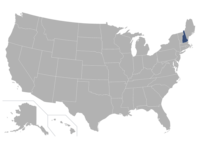
Concord, NH