Minneapolis needs a stronger rental housing vacancy fee
Sep 23, 2026 | 10:00 am ET
Description
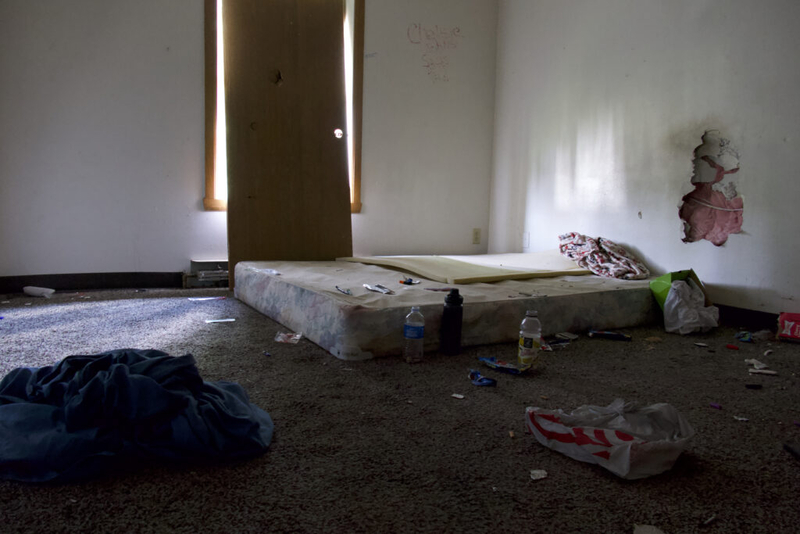
"A stronger vacancy fee," the authors argue, "would ensure that housing units under corporate property or landlord management receive timely repairs and upkeep, since the vacancy fee incentivizes them to keep their units occupied." (Photo by Max Nesterak/Minnesota Reformer)
The tragic and unconscionable situation at the Heritage Park complex of homes in north Minneapolis this summer, where renters have endured rats, mold and flagrant disrepair, shows yet again that residents have been failed by local housing policies and lack of attention from elected city leaders.
Due to lack of basic maintenance by the corporate property management, and a lack of oversight by city and Minneapolis Public Housing Authority officials, more than 200 residential units in Heritage Park — about half — are vacant. If these units have been empty for over six months, which seems likely due to longstanding maintenance issues, they are chronically vacant.
Why is chronic vacancy important in the rental market? Because in a city with few options for genuinely affordable rent, and in a city with an ever-shrinking stock of naturally occurring affordable housing, every unit matters.
If a derelict landlord or out-of-state, corporate property manager allows dozens and dozens of units in a Minneapolis residential building to sit empty for more than six months — and sometimes over a year — that’s fewer units on the market. It’s holding desperately needed housing units away from the very Minneapolis residents this housing is supposed to serve.
This is why we support a vacancy fee on chronically vacant residential units. Any corporate property manager or absentee landlord that allows a residential unit to remain chronically vacant for six months or more should pay Minneapolis a robust fee. That money would be automatically earmarked for building or supporting affordable housing options across the city. The current vacant building registration fee is far too small for such a large sector of housing enforcement. It’s also based on self-reporting or tips from city residents, rather than proactive city enforcement.
A stronger vacancy fee would ensure that housing units under corporate property or landlord management receive timely repairs and upkeep, since the vacancy fee incentivizes them to keep their units occupied.
Some out-of-state property managers and developers of large-scale Minneapolis apartments would be incentivized to lower their skyrocketing rental costs to attract tenants, since sitting on empty units for six months or more would no longer just play into their investment and speculative portfolios.
Neighborhoods that have long dealt with vacant homes that attract crime and bring down nearby property values would see these homes converted into something else or filled with tenants, since a vacancy fee would continually charge the absentee owner of the vacant home.
Recently, the Minneapolis Board of Estimation and Taxation endorsed exploring ways to implement a vacancy fee on chronically empty residential units as an alternative source of revenue. In a city facing a precarious fiscal future, a vacancy fee would offer valuable resources for affordable housing policies and construction.
Finally, a vacancy fee can begin to repair a usurious housing system that punishes average renter families, saps homeowners of nearby property values, and keeps city government chronically three steps behind absentee and profit-driven housing interests.

Saint Paul, MN