The tyranny of uncertainty
Sep 22, 2026 | 6:30 pm ET
Description
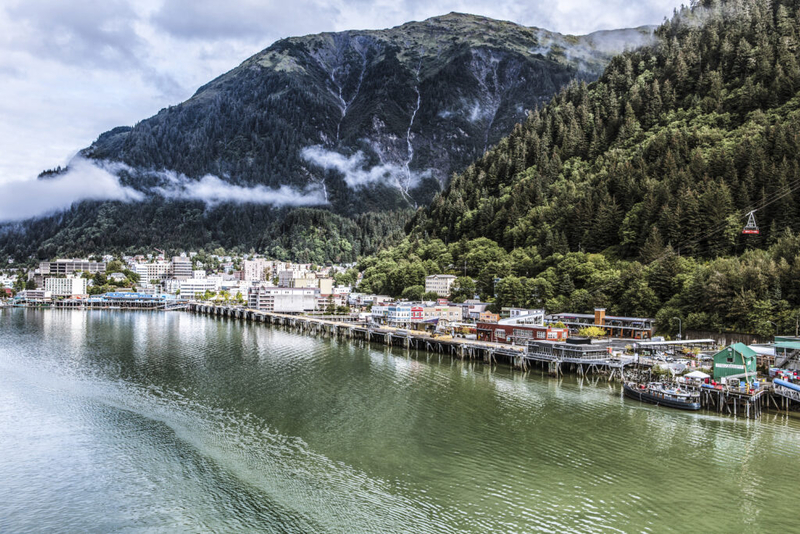
Expansive view of downtown Juneau and waterfront, Alaska. Morning, waterfalls and fog nestled in the mountains. Mount Roberts tram operating at right.
The ICE dragnets that dominated headlines earlier this year and led to the deaths of two United States citizens and several immigrant victims in communities around the country may now attract less attention. But the machinery of detention and deportation continues to hum along—perhaps more quietly, but no less relentlessly.
According to Homeland Security records, in July alone 50,208 immigrants were arrested and 65,000 were in detention. According to the Deportation Data Project, less than 30 percent of the arrestees and detainees had criminal convictions.
The low-hanging fruit for these arrests are local jails and prisons that may be holding an immigrant. Homeland Security’s enlistment of state and local law enforcement agencies to do immigration stops have also contributed to the surge in arrests and detentions. In recent weeks, there are also reports of arrests at airport boarding gates for domestic flights. More pernicious are the arrests made at immigration offices when immigrants are directed to appear for status hearings on their individual cases.
Yet the most damaging feature of this system may not be the arrests that make the news. It is the uncertainty imposed on families who have followed the rules, filed their papers, paid their fees and waited—sometimes for well over a year—for the government to act.
These enforcement activities are achieving one of their intended effects: to scare individuals and families enough that they self-deport. In Juneau that has meant that every member of our small Haitian community felt compelled to abandon their new home when they, along with some 350,000 other Haitians in the country, lost their temporary protected status on July 27th. Juneau lost some fine healthcare workers and school aides.
Here is the psychological war being waged on countless families across our nation: Families wait for long periods to be scheduled for interviews on their status, not knowing when these will happen—while anxiety builds over what for many will be a life-or-death outcome. With ICE’s apprehension of people who show for interviews, each applicant must ask: Do I skip the interview, resulting in an automatic case denial for abandonment, or do I attend and take the chance that I could be arrested, detained and permanently separated from my family?
I mentor several Ukrainian and Central American families in Juneau and have assisted them in filing papers for temporary protected status, authorizations for work and the like. Without exception, they are contributing to our community through their service jobs and small businesses.
As I write this, I have before me seven Homeland Security Notices of Action, known as I-797s, on applications for temporary protected status or for employment authorization filed between January 10 and March 17, 2025. These specific Notices of Action acknowledge the applications and all are dated in August 2026, more than 17 months after these immigrants applied. The forms indicate that the applicants are conditionally approved to remain and work in the country. The catch: the temporary protected status will expire on October 19. In short, these families have been held in suspended animation.
One immigrant I mentor applied for and received an initial authorization to work, helping to support his family. Many months before that authorization was due to expire, he filed for renewal and paid the requisite fee. When his work authorization expired, he was forced to quit his job. Finally last month he received confirmation that his application for renewal was being reviewed. When we called the department’s Contact Center to learn when the review would be complete, we were informed that the government might get to it by November. The family survives only because his adult daughter and niece are employed.
Another immigrant and his wife have established a successful business in Juneau. They paid nearly $1,000 for a renewal of their employment authorization documents on the first day they were eligible to do so — immigrants are allowed to apply no more than 180 days in advance. Once their current authorization expired, they could no longer lawfully work. USCIS can’t say when their renewal will be processed.
Without a valid work permit or an active status determination, all of these immigrants are stripped of their ability to earn an income. They lose employer-sponsored health insurance, stable housing options and are unable to receive or renew a driver’s license. The result is not merely delay. It is enforced poverty.
Another immigrant and his wife have worked multiple jobs to buy a home for their teenage children and themselves. Mikhail has successfully built his own construction-related business and has an unwavering belief that the United States government will reward his industry and dedication by granting a more permanent status to him and his family. His 18-year-old son struggles with his future, finding it difficult to set roots here because of the incessant fear that the rug will be pulled out from under them and that they will soon be forced to look to another country to start a new life yet again.
This war of nerves is taking a visible toll on countless thousands of people in limbo: parents suffering depression, panic attacks and sleep deprivation; children haunted by the possibility that they will be separated from their parents.
Most of us sleep at night because we live with the ordinary security of knowing where we will live, how we will work, whom we can count on and what we can offer our children. Those are not extravagant privileges. They are the basic conditions of a stable life.
The cruelty of the present immigration system lies not only in detention and deportation. It lies in forcing our neighbors to live without those basic assurances—day after day, month after month, while the government that demands their compliance leaves their futures unresolved.
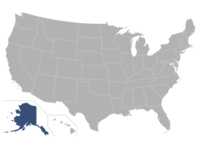
Juneau