Why the Colorado School of Mines is falling short in sustainability
Sep 22, 2026 | 1:25 pm ET
Description
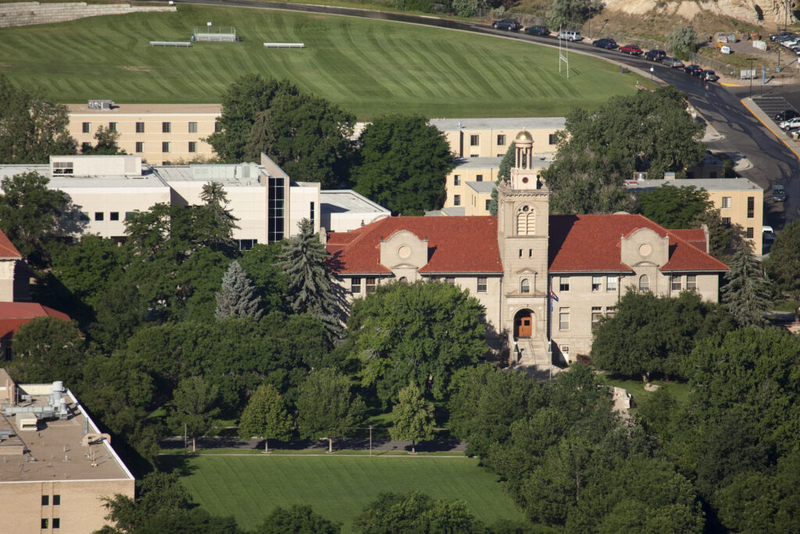
The historic 1905 Guggenheim Hall with its golden dome is part of the Colorado School of Mines campus in Golden, Colorado. (Getty Images)
In May I earned my undergraduate degree in environmental engineering from Colorado School of Mines in Golden. I was elated as any student might be, proud to carry the oath of an engineer to better our world.
My pride was dampened when, just two months after graduating, I found out that a department integral to my experience at Colorado School of Mines was quietly dismantled: the sustainability department, know as Mines Sus. No public statement was given, only a LinkedIn post from the former department head.
Meanwhile, the website cannot be reached and the department is virtually untraceable. The department that embodied the principles that motivated me to become an environmental engineer, using resources in a way that enables the flourishing of future generations, was abolished within minutes.
Mines Sus held the academic institution — which produces thousands of engineers per year — accountable by monitoring production of recyclables, landfill waste, and compost across the university. From 2022 to 2023, waste-to-landfill decreased by 1,500 tons, coinciding with expanded recycling education from a new Mines Sus program.
It also created carbon dioxide emission, energy and water consumption targets. It reported the status of Mines sustainability via the STARS program and publicly accessible reports. Not to mention, it guided senior year capstone projects focused on increasing sustainability at Mines, such as using local geothermal energy. It additionally created a green labs program to reduce emissions associated with fume hoods, which can consume 3.5 times the energy of an average home, as well as reduce lab waste via recycling pipette tips and latex gloves. I might add, at a university with a serious civil engineering reputation, that Mines Sus helped accredit buildings with LEED rankings. Most importantly, it ultimately was a one-stop-shop for sustainability awareness at Mines.
School of Mines is a large academic and research institution that hosts thousands of students, not an average household. Without a department that ensures School of Mines is responsibly consuming water and energy and producing reasonable quantities of waste, how will the school be held accountable? It is likely that unless there is a paid position, departments left to themselves will be forced to direct their limited time and resources elsewhere. Not to mention, this may put Mines at a disadvantage for enrollment, considering that many students look at sustainability rankings when making their decision to commit. School of Mines will likely no longer have a sustainability ranking in the absence of the department.
If the very institution students attend to learn to be an engineer is not held accountable to sustainable principles, how will those students walk into this world? Departments can certainly teach sustainability, but what is teaching without practice? As engineers, we swear to uphold an “obligation to serve humanity by making the best use of the Earth’s precious wealth.”
A school like Mines, one of the most renowned engineering schools in the country, should be walking the walk.
Here is my recommendation: Mines alumni, students, staff and Golden community members should make their voices heard. They should email the board of trustees that they are unsettled by news of the discontinuation of the Mines sustainability department. They should demand accountability and transparency.
Let us create better engineers and ensure academic institutions keep the bar high, especially our own.

Denver, CO