Price Shock At Waikīkī Co-op Highlights Vulnerability To Housing Fees
Sep 21, 2026 | 6:01 am ET
Description
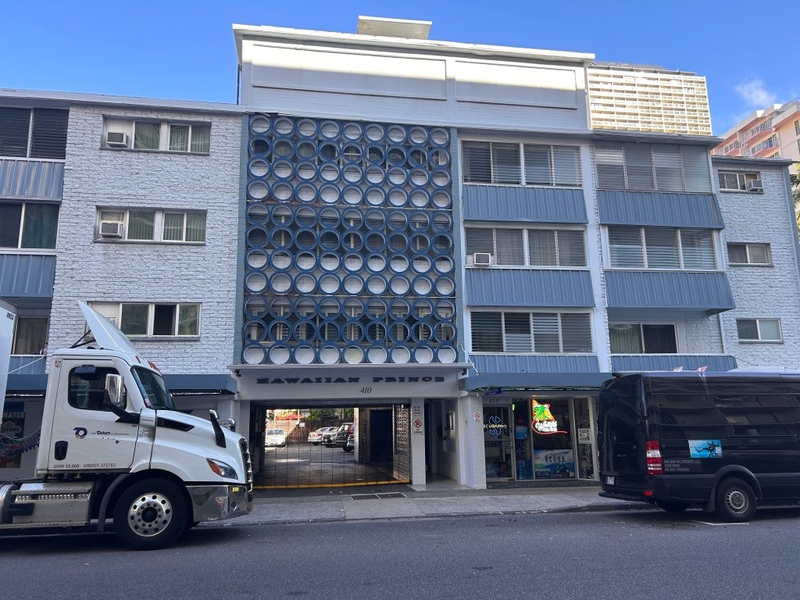
Photo courtesy of Honolulu Civil Beat
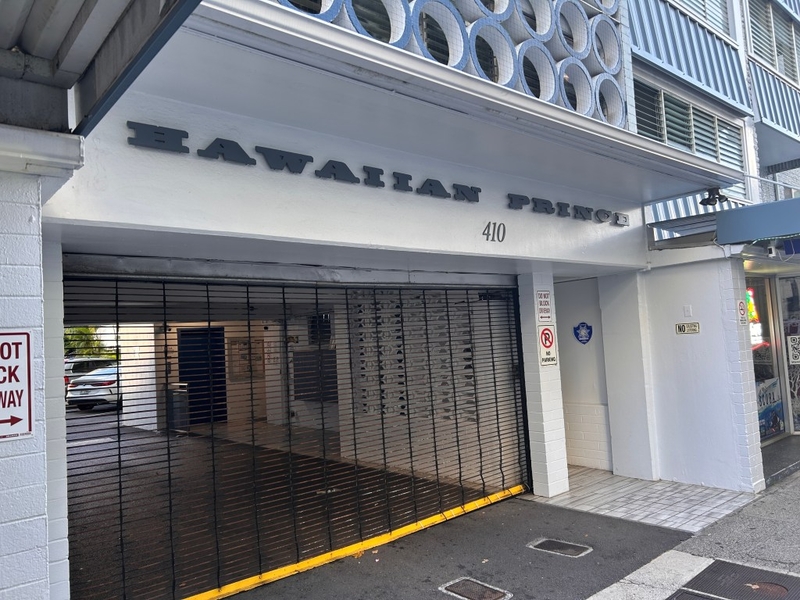
The mid-May meeting of the shareholders of the Hawaiian Prince apartments in Waikīkī held a nasty surprise for Don and Eileen Campagna, who own two units in the building.
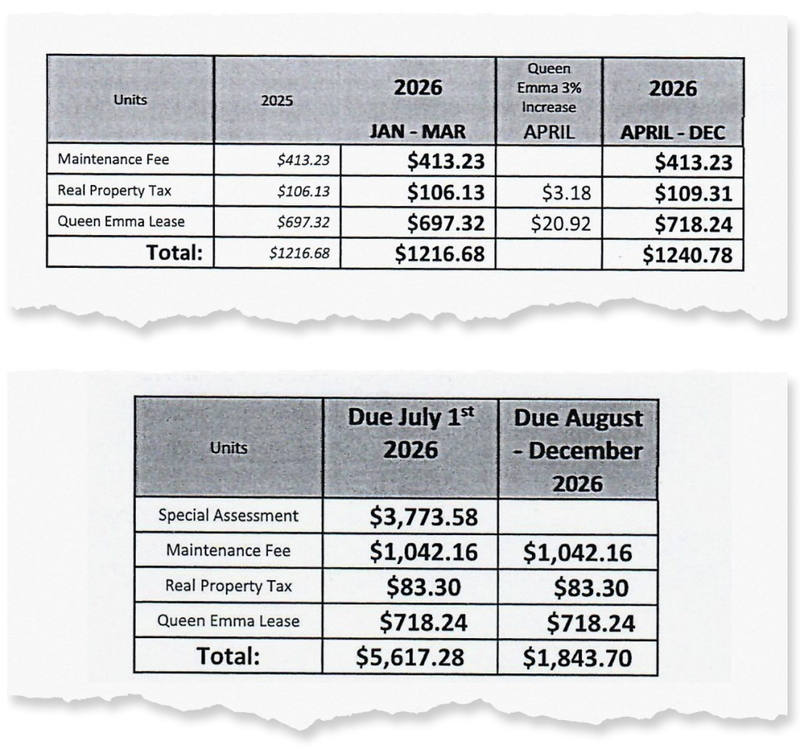
A one-time special assessment of $3,770 would be applied to each unit and there would also be a 152% hike in maintenance fees for the rest of the year, the letter from the Hawaiiana Management Company said.
The decision was made “after a careful and thorough review of the corporation’s current and future cashflow,” and a vote by the building’s board of directors, the company said.
That meant the monthly bill for each property jumped from $1,216 to $1,844. With the assessment, the couple’s first bill would total $11,234 for their two units.
And the deadline was looming.
“They wanted us to pay the assessment by July 1, but that wasn’t going to happen,” Eileen Campagna said. Instead, they’re working to pay it all by the end of the year.
Now the Campagnas and other shareholders say they are still trying to get a full accounting from Hawaiiana about how the housing cooperative’s finances fell so far behind, so fast.
The Hawaiian Prince, built in 1959, is not entirely typical of Honolulu multistory apartments because it is a housing cooperative rather than a condominium. There are about 12 housing cooperatives on Oʻahu where residents own shares in the housing corporation, and elect a board of directors.
Hawaiian Prince Ltd. sits on land leased from the Queen Emma Foundation. Co-op shareholders make monthly lease payments in addition to maintenance fees and property taxes. People buying into a co-op usually don’t need to put as much money down as they would buying a condo, but they also take on more of the risk, particularly if some owners start defaulting on lease payments for the land.
But the scenario of the fee hike and special assessment is familiar to Hawaiʻi residents, over 42% of whom pay a monthly housing association fee of some kind in amounts that are among the highest in the nation.
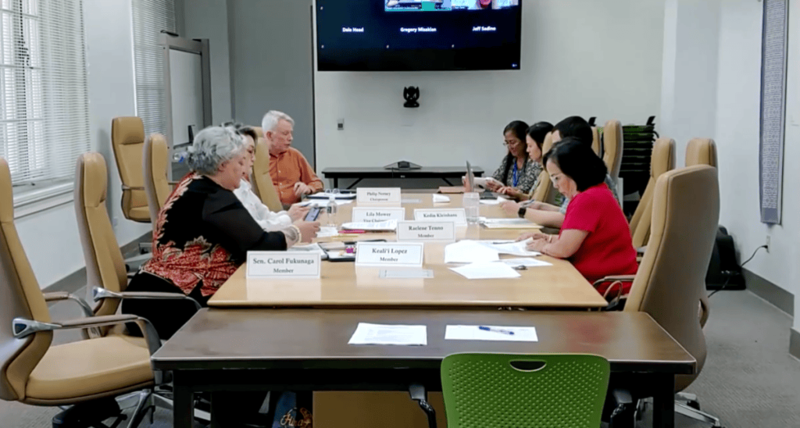
And a legislative task force that met over the last three years and wrapped up in June heard testimony that owners still face obstacles accessing relevant information from boards and management companies to inform financial decisions.
The problem is serious enough that three of the task force’s 10 recommendations address the problem, including one requesting that the Department of Commerce and Consumer Affairs levy a more robust series of minimum monetary fines and sanctions on “repeat offenders” that decline owner requests for documents.
Sudden Decline In Reserve Funds
Access to documents is crucial because condominiums and co-op boards are made up of volunteer residents who often have little to no training in property management, task force member Raelene Tenno said.
“They should, however, because they have a fiduciary responsibility,” she said. Instead, housing and homeowner associations rely heavily on the recommendations of the management companies.
The Hawaiian Prince board of directors made the best decision to cover the shortfall and turn around the building’s finances, board president Juan Galindo said Friday.
But other Hawaiian Prince shareholders told Civil Beat they received conflicting information about their financial situation and have not been able to get access to the underlying financial documents.
“Hawaiiana take our monthly fees, but they don't really show where it's all going and some of the expenses that have been accumulated, they don't have an answer for,” board vice president William Dawbarn said.
While Hawaiiana provides accounting services for Hawaiian Prince, the building’s board of directors is responsible for approving the annual budget, maintenance fees and special assessments, said Caroline Witherspoon, a PR consultant who responded on behalf of the company.
“As such, questions regarding the 2026 budget, maintenance fee increase, special assessment and use of reserve funds are most appropriately addressed by the board,” she said.
But shareholder and former board member Molly Collins said that she was rebuffed when she asked Hawaiiana to do a forensic audit of the building’s finances several times over the last few years. “There is a lack of transparency from Hawaiiana over the financial details of the building,” she said.
Hawaiiana said in its statement that it “strongly disagreed” with the assertion that any financial information had been withheld or that the board lacked access to the building’s financial records. It also denied that it had received “written requests” for a forensic audit but supported the idea if the board decided to pay for one.
The financial hit at the Hawaiian Prince seemed particularly surprising because a letter from Hawaiiana in December told shareholders that maintenance fees would not be increased in 2026. A study of the building’s reserve fund sent to some residents by Hawaiiana management and viewed by Civil Beat showed a balance of $168,000 that same month.
But Hawaiiana’s statement Friday said “The reserve fund balance declined over time due to a combination of increasing operating costs and the use of reserve funds to support the association's financial obligations.”
Nightmare Scenario For Shareholders
Dawbarn said he asked “where did all the money go? Why are we getting assessed, and where are all the receipts?”
Hawaiiana said it provided the board with monthly financial statements and reports, along with additional information and documentation upon request.
Former board member Collins said a meeting was called in April, before the special assessment was announced, to discuss spending money on new roofing. She said she asked a former resident manager whether a special assessment would be required but the manager said that the building had enough reserves to cover the project.
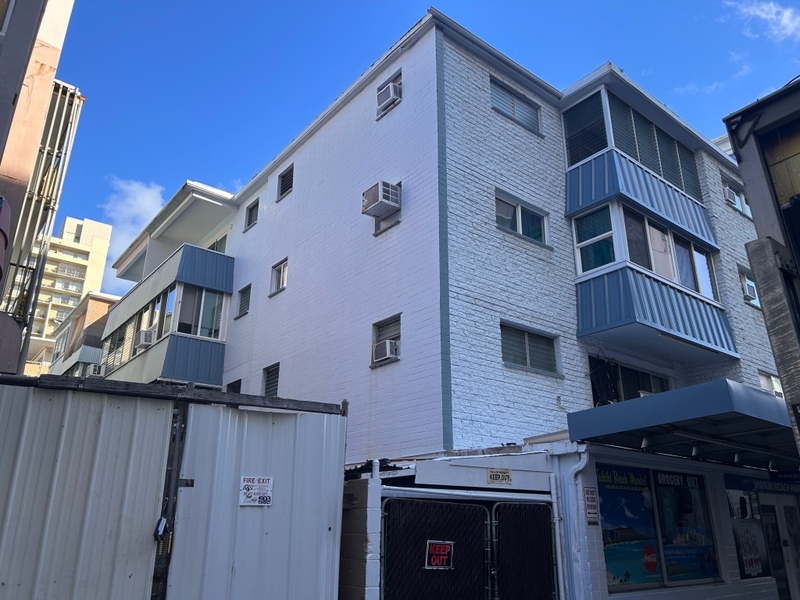
Hawaiiana did not cite the roofing project as a reason for the assessment, and Civil Beat was unable to determine other factors.
The prospect of a “surprise” special assessment, or homeowner levy, isn’t unique to the Hawaiian Prince, said Tenno, the task force member who is also a mortgage licensing instructor.
And neither are the conflicts between owners, the building’s board and the property management company. Such disputes often end up in court.
Maintenance fee increases are highly unpopular, let alone the special assessments required to cover major capital projects like repiping or elevator modernization.
Tenno said that in the building where she bought a condo 10 years ago, the board voted to only increase the maintenance fees by $100 over that whole period and are now looking at a major hike in 2027.
That’s why it is particularly important for boards to understand the building’s reserves. “I tell people that the reserve is not any different than your own personal savings account,” she said.
The industry recommendation is to keep maintenance fees and contributions to reserve funds in line with inflation, say between 3% and 5% per year, Tenno said. “That is much easier to swallow than a $200 or more increase in one hit,” she said.
Ongoing Barriers To Accessing Documents
But the legislative task force heard that owners continue to face obstacles getting access to governance documents like financial statements and reserve studies from their own boards.
That could include detailed financials underpinning a study of the building reserves, including more information about maintenance costs, expenditures and future liabilities.
The law requires records to be provided within 30 days of a request. Documents can be inspected onsite, shared electronically or copied at a cost to the requester.
But the task force found a significant gap between legal rights and real-world administrative enforcement, despite provisions for up to $10,000 in fines.
In its final report to the Legislature in June, the task force recommended that the law be amended to “improve timely and affordable access to governing documents and other records essential to an association’s physical, financial, legal operations, by strengthening enforcement for timely production.”
That also included addressing technological barriers and management’s demand for affidavits for even relatively benign information.
Tenno said that the board in her building requested an updated contact list of owners from the management company to send out a newsletter and were told to submit an affidavit with the request. The affidavits involve swearing an oath that the records won’t be used for commercial purposes and have to be notarized.
Some homeowner associations are getting ahead of the issue by posting governance documents in password-protected online platforms for HOAs such as TownSq, she said.
Any changes to condo legislation will be of little help at the Hawaiian Prince because the building is a housing cooperative –– an ownership structure that puts its governance outside the oversight of the Department of Commerce and Consumer Affairs and the laws governing condos.
Lila Mower, vice chair on the legislative task force, said there was some preliminary discussion about the potential for some of the recommendations to also be applied to co-ops at some point. The requirements for document production should also be applied to management companies, she said.
Meanwhile, recourse for owners in a cooperative housing corporation generally runs through the corporation's own governing documents such as articles of incorporation, bylaws, and proprietary leases, and Hawai‘i's general corporate law or in civil court, DCCA spokesman William Nhieu said.
The idea of taking any sort of legal action is well beyond the resources of the Hawaiian Prince shareholders but Dawbarn and Collins said there had been some discussion about switching to another property management company.
The prospects are slim given the relatively small size of the building, and its status as a housing co-op, they said.

Honolulu, HI