In Alaska, the food vote is especially important
Sep 16, 2026 | 4:00 pm ET
Description
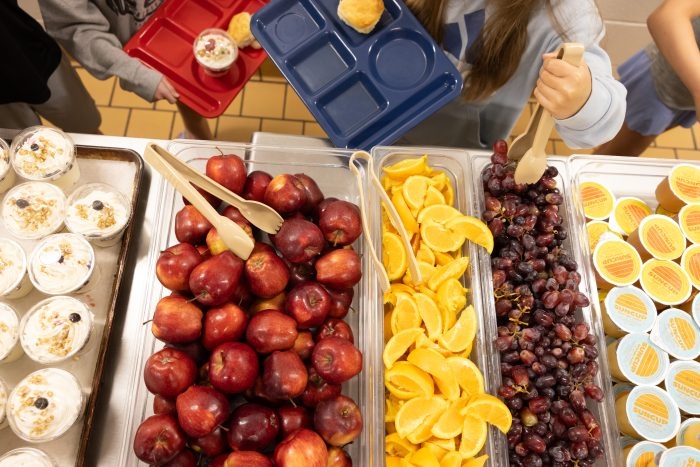
Elementary school kids go through the lunch line. Cuts to the nation’s largest food assistance program may cause students to lose access to free breakfast and lunch. (Photo by Marcus Constantino for West Virginia Watch)
Twice a week, ships from each of Alaska’s two ocean carriers arrive in Anchorage after a days-long journey from Washington state. They carry most of the food Alaskans buy at the grocery store on the road system and beyond. A dizzyingly complex network of boats, trucks and planes then carries food step by step from Anchorage into the vast reaches of the state. At the same time, other ships are heading to Southeast and to the Aleutians, trucks are coming up the Alaska Highway and planes are flying directly from Outside. All carrying the store-bought food we eat.
Every Alaskan eats. The people we elect this November will help shape our food systems — how our food gets here, what it costs and who can reach it. That’s why the Alaska Food Policy Council built an informational resource to help Alaskans see the roles elected officials play in our food systems. We are nonpartisan organizations, and we take no positions on candidates or ballot measures.
Alaska’s food systems are unusually vulnerable. You’ve probably heard the figure that 95% of the food we purchase is imported. No one has hard numbers, but no one disputes the basic premise. We do know our grocery stores only carry three to five days of food at a time. Disruptions from bad weather, ice, natural disasters, or mechanical issues happen regularly — we’ve all experienced empty shelves. Food insecurity is commonplace across the state and heightened in rural areas. And groceries cost more, too: A cart of basic groceries that costs $45 in Washington D.C., costs $55 in Anchorage, $75 in Nome and $109 in Iliamna, according to 2025 grocery cart project results.
But vulnerability is only one part of our story. The ways food reaches our plates here are remarkably diverse. Wild and subsistence foods are vital. According to the Alaska Department of Fish and Game, Alaska residents harvest approximately 50 million pounds of wild foods per year. Alaska’s growing agricultural sector includes land and ocean farms, ranches and community gardens that provide fresh vegetables, fruits, meat, dairy, cut flowers and more. Dozens of mariculture operations produce oysters, mussels and kelp. Thousands of commercial fishermen head out on the water every summer to harvest seafood for our local communities and the world.
AFPC works at the intersection of food systems and political decisions. We believe that every Alaskan, in every community, deserves reliable access to healthy, affordable, culturally important food. This reliable access requires having food systems strong enough to provide it, for current and future generations. From federal nutrition programs to school lunches and from agricultural loans for farmers to supply chain infrastructure, elected officials are shaping our food systems through their decisions and priorities.
This November, Alaskans will choose a new governor, the vast majority of the state Legislature and two-thirds of our Congressional delegation. These elected officials will make decisions critical to our food systems and have a real impact on the food your family eats: how federal nutrition programs like SNAP are run in Alaska; whether agriculture, fisheries management and food safety programs are staffed and funded; whether the agricultural loan funds work for farmers; how schools buy food; and what gets built, including ports, roads, runways and cold storage.
AFPC worked with farmers, fishermen, Tribal organizations, food banks, market managers, business owners, researchers and public health advocates to create a resource called the AK Food Vote campaign. You won’t see us endorsing anyone or telling you how to vote. But at akfoodvote.org you’ll find information: responses to our candidate survey, which we’ll post in late September; how ranked-choice voting works; voter registration and absentee deadlines.
Juneau