Use KY’s Meta settlement to invest in ‘real life’ for kids
Sep 09, 2026 | 6:00 am ET

Description
Children need 'real life' activities to keep them off of social media. (Getty Images)
Have you ever picked up your phone to text, only to find yourself mindlessly scrolling social media? You’re not alone.
Social media companies design products to trigger addictive behavior—putting kids’ sleep, mental health, and self-image at serious risk. But there’s good news: Kentucky Attorney General Russell Coleman is doing something about it.
Last week, General Coleman and his team landed a decisive victory for kids in the Commonwealth, settling a lawsuit with Meta, which alleged the company knowingly harmed kids with addictive features and inappropriate content. Coleman and his team were one of the leading litigators in the suit against Meta, alongside attorneys general from California, Colorado, and New Jersey.
You’ve seen the headlines; at least $358 million dollars are coming directly to Kentucky over the next 10 years.
Meta has agreed to pay for online safety initiatives and more to address harms to young people as well as to make changes to their apps that should lead to more safety and less accessibility for youth.
Now comes the question that will determine whether that accountability actually remedies the harms caused by social media and changes young people’s lives:
What will Kentucky do with the money?
For years, the debate about kids and social media has focused largely on what to take away: phones during class, unrestricted screen time, harmful content, push notifications, and features designed to keep young people scrolling.
Those conversations matter. And the terms of the settlement include extensive injunctive terms tackling those issues. But young people need more than restrictions on what happens online. They need far more opportunities to connect, belong, create, move, learn, grow, and build healthy relationships in real life.
Settlement dollars give states the means to make those opportunities real.
That can look like accessible after-school and summer programs. Sports, arts, recreation, and outdoor experiences. Libraries and safe places where young people can gather. Mentors and trusted adults. Youth jobs, service opportunities, and leadership programs. Access to evidence-based mental health supports that meet young people where they are.
These are not extras. They are part of the infrastructure of a healthy childhood.
As youth-focused organizations, we call for investment across a continuum of positive youth development supports, from real-life alternatives for screen time to safe digital engagement to mental health services, delivered across the community.
For too many young people in Kentucky, those opportunities remain out of reach. A teenager may want to join a team, take an art class, get a summer job, or spend time at a community center, but face a fee, a waitlist, no transportation, or no nearby program. A parent may know their child needs help but may be unable to find counseling, mentoring, tutoring, or a safe place to go after school.
Social media settlement dollars can help fix the problem the companies created by investing in reconnection and course correction.
History gives us reason to be thoughtful and proactive. Kentucky’s General Assembly set a strong precedent with its swift action on the historic Opioid Settlements — establishing a Commission, creating a tracking mechanism, and ensuring funds directly reached communities impacted by the crisis. In contrast, the allocation of the JUUL settlement demonstrates the challenge when settlement dollars are routed into the state’s General Fund without specific direction toward youth prevention. While there were reasonable policy arguments for that approach, directing specialized settlement funds to targeted programs not only brings specific solutions to the harms caused, it also consistently yields the greatest measurable impact for the Commonwealth.
During the 2026 legislative session, Rep. Kim Moser had the vision to create a structure, through HB 686, to ensure that any social media monies coming into the state from lawsuits were directed to positive youth development. The bill saw bipartisan support in the House but unfortunately did not make it across the finish line. In 2027, our Kentucky General Assembly can recast that vision, with an emphasis on promoting young people’s well-being and healthy development.
House and Senate leadership have the opportunity to put Kentucky’s kids first, just like Attorney General Russell Coleman.
Because this harm was done to kids, supporting kids must remain our priority. These funds were never meant to plug budget holes or replace existing investments in our children—they were meant to protect them.
The goal is not simply to get young people off their phones. It is to give them meaningful connection in real life when they put those phones down.
In collaboration with Fund IRL, the following Kentucky organizations composed this call to action.
Girl Scouts of Kentuckiana
Girl Scouts of Kentucky’s Wilderness Road
Kentucky Alliance of Boys & Girls Clubs
Kentucky Association for Environmental Education
Kentucky Out-of-School Alliance
Kentucky Psychological Association
Kentucky Youth Advocates
McNary Group
Mental Health America of Kentucky
Metro United Way
OneQuest Health
Partners for Change
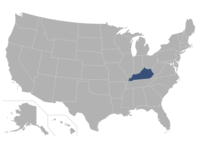
Frankfort