New audit: NC Lottery sales up, but less is going to schools
Description
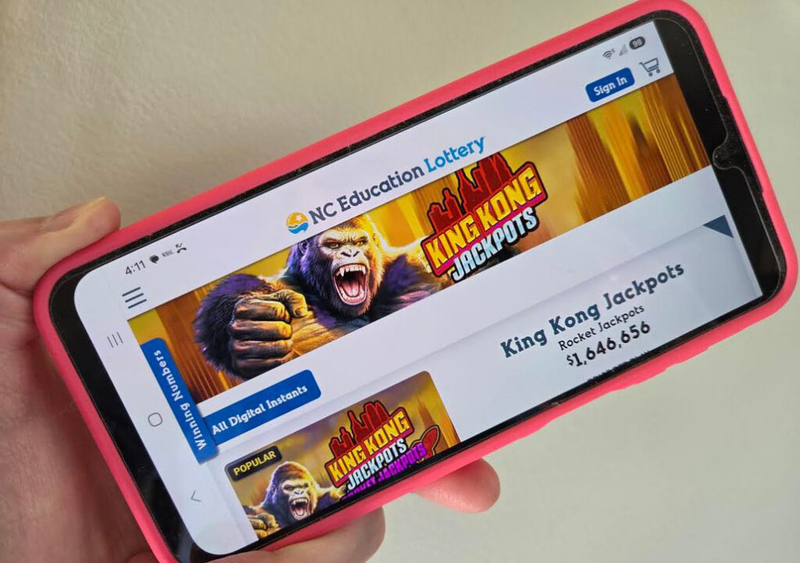
The rapid growth in ‘digital instant games’ and lower sales of traditional lottery games were the primary causes of the decrease in the percentage of lottery proceeds transferred to the North Carolina Education Fund. (Photo: Clayton Henkel/NC Newsline)
North Carolina’s lottery is selling more tickets than ever – but it’s putting less of the money it makes into schools, says Auditor Dave Boliek.
A new audit found that gross ticket sales for the state’s Education Lottery rose from $4.3 billion in FY 2023 to $6.6 billion in FY 2025. But the percentage of that money that went to public education fell each year from 23% in 2023, 20% in 2024, and just 16% in 2025.
Growth in gross ticket sales increased an impressive 51% over two years. Yet the annual transfers to the education fund essentially remained flat, increasing from $1.02 billion in FY 2023 to $1.09 billion in FY 2024, and dipping to $1.08 billion for FY 2025.
A key factor in the declining proceeds is the rise of digital instant games, which entice players by paying out more often than traditional lottery tickets. Because of that, the lottery’s net profit on digital instants is lower.
“Digital instant games are designed to have a payout rate of approximately 87%,” wrote Boliek in the report. “They have gone from generating zero dollars in sales in FY 2023, to $2.60 billion in sales in FY 2025, which represented approximately 40% of total lottery sales that fiscal year.”
During the same time period, scratch-off tickets and the draw games saw a decrease in sales. And that’s a trend that seems to be continuing.
Greg Bowers, the lottery’s chief financial officer, told the North Carolina Lottery Commission in late June that digital instant sales saw a 22% increase in the first 11 months of the fiscal year compared to 2025. However, scratch-off sales dipped by about 3% for the year. As for those multi-state jackpot games, those are more unpredictable: consumers are not always motivated to play until the jackpot reaches a certain level.
Bowers said sales of scratch-offs and digital instants are projected to increase by 6.39% in 2027.
But the issue for Boliek is not whether people are buying more tickets or playing more often. It’s whether the lottery is meeting its statutory obligation to provide school funding – and he says it’s not.
Boliek said the Education Lottery’s statutory target is to transfer 38% of its net revenue to the Education Fund. When the lottery was established in 2005, the target was originally 35%. But the long-term average, according to the audit, is closer to 27%, and it’s been sharply lower in recent years.
“As lottery product offerings have evolved, the relationship between maximizing sales and maintaining a targeted transfer percentage has become less clear,” auditors wrote in the report.
The agency is recommending that lottery officials work with the General Assembly to clarify whether the lottery’s objective should be maximizing dollars transferred to education, maintaining a minimum transfer percentage, or balancing both objectives within a clearer policy framework.
In response, the lottery’s chief executive officer said the General Assembly should take another look at the statutory target, which is now over 20 years old.
North Carolina’s Education Lottery sets new records but faces headwinds
“If maintaining a minimum transfer percentage remains the primary objective, the General Assembly should consider whether the current 38% statutory target to transfer to the Education Fund remains appropriate given today’s lottery products and the competitive marketplace that has developed over the past few years,” wrote lottery CEO Mark Michalko.
Michalko said the Education Lottery is working to remain competitive and maximize returns because players have more places to spend their discretionary income.
And it’s not just North Carolina. A recent analysis by the U.S. Census Bureau found other state lotteries are in the same boat. More money is coming in, but they are paying out more to keep consumers playing.
Bettors in North Carolina legally wagered more than $7 billion on sports in 2025. And in July, the most recent month for which data is available, North Carolinians bet more than $566 million on sporting events, with $14 million in estimated tax revenue returned to the state.
While the Education Lottery supports education programs in all of North Carolina’s 100 counties, the revenue from sports wagering goes to the General Fund and university athletics with $2 million appropriated for gambling addiction treatment.
Raleigh, NC