In the wake of tragedy, Idahoans can find strength and healing in community. Here’s where to turn.
Aug 10, 2026 | 6:00 am ET
Description
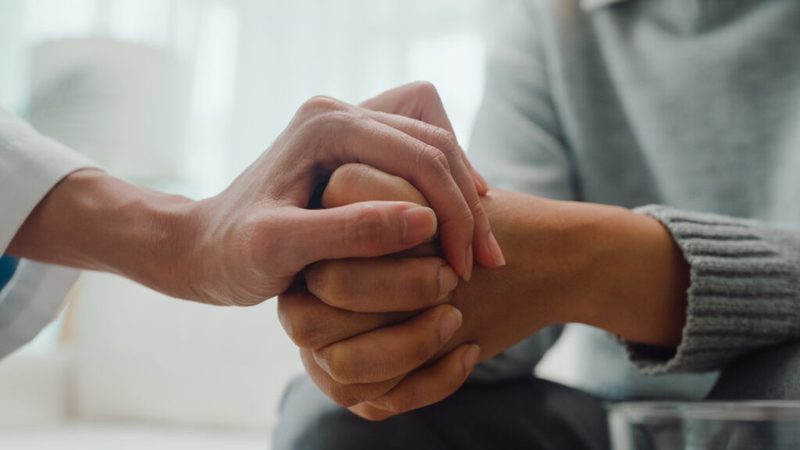
If you or someone you love is experiencing a mental health crisis or thoughts of self-harm, call or text 988. Resources are also available through Find Help Idaho, the National Alliance on Mental Illness, local healthcare providers, and employee assistance programs.(Photo by Getty Images)
An Aug. 1 shooting has shaken not only the Magic Valley, but all of Idaho, leaving us searching for answers, and wondering what comes next. As details continue to emerge, one thing is clear: Twin Falls has been wounded, and all of Idaho grieves with them.
In times like these, we seek to understand what happened, why it happened and how it could have been prevented. Those are important questions, but before anything else, we have the responsibility to care for ourselves and each other.
Idaho’s communities are defined by their people. We show up when a family is grieving or someone needs a helping hand. We bring meals, attend vigils, volunteer and pray. We look after one another.
When violence strikes close to home, the impact extends far beyond those who were physically present. It reaches classrooms, workplaces, churches, hospitals and neighborhoods.
Parents hug their children a little tighter. Young people ask difficult questions. First responders replay the events in their minds. Healthcare workers, educators, business owners and community leaders all carry the weight in different ways.
Trauma is our emotional and physical response to an event so overwhelming that it exceeds our normal ability to cope. It can leave us anxious, numb, exhausted, angry or deeply sad. Some experience intrusive thoughts or difficulty concentrating. Others notice headaches, stomach problems, trouble sleeping or a constant sense of alertness.
These reactions are signs that our bodies and minds are trying to make sense of something deeply unsettling. And each one of us may experience such events differently, shaped by our personal history, relationships and life experiences. One neighbor may want to talk. Another may need silence. One child may seem unaffected today but struggle weeks from now. Each of these responses deserve compassion and patience.
Healing also deserves the same. Recovery happens gradually as our nervous systems begin to recognize safety again. There will be moments when life feels almost normal, followed by days when grief or anxiety unexpectedly returns. That is not failure — it is part of healing.
So, what can we do? We begin with the simplest acts.
Call a friend. Check on a neighbor. Ask a coworker how they are doing, and really listen to the answer. If someone shares their fears or sadness, resist the urge to fix it. Being present is often more powerful than having the right words.
Allow yourself to be vulnerable as well. Sharing our own experiences can reduce isolation and remind others that they are not alone.
As much as possible, return to routines that provide structure and comfort. Eat regular meals. Stay hydrated. Get rest. Spend time outdoors. Attend worship services if that is part of your life. Cheer at your child’s ballgame. Walk your neighborhood. Routine tells the brain that life, while changed, is continuing, a message essential for recovery.
We should also be mindful of the information we consume. Staying informed is important, but endless exposure to disturbing images and social media speculation can intensify distress. Give yourself permission to unplug. Choose reliable information over constant information.
And if the weight becomes too heavy, ask for help.
Seeking support from a counselor, physician, faith leader or friend is an act of courage, not weakness. No one should have to carry this burden alone. If you or someone you love is experiencing a mental health crisis or thoughts of self-harm, call or text 988. Resources are also available through Find Help Idaho, the National Alliance on Mental Illness, local healthcare providers, and employee assistance programs. More resources for the Twin Falls community and beyond are available here: https://www.nami.org/IDTraumaResources.
Months from now, those who may not remember every headline or every social media post, will remember who sat beside them at the kitchen table. They will remember the neighbor who brought in the trash bins from the street, the teacher who checked in, the employer who offered grace, the stranger who simply asked, “How are you holding up?”
Those moments are how we heal.
On Aug. 1, violence touched the Magic Valley, for an impact felt across the state. Today, healing begins with each of us.
Boise, ID