Wilderness in Idaho, the West is subject to review by Trump administration, Wilderness Society says
Aug 07, 2026 | 6:15 am ET
Description
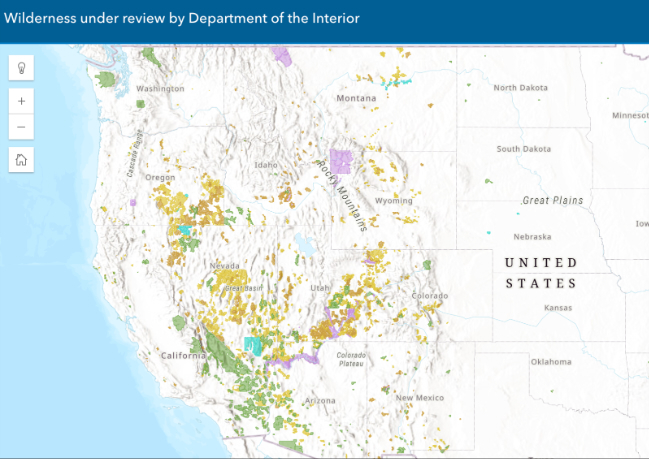
Officials with the nonprofit organization The Wilderness Society published a map depicting wilderness and wilderness study areas to show what public land could be affected by a U.S. Department of Interior policy review. (Map provided courtesy of The Wilderness Society)
Officials at the nonprofit Wilderness Society say more than 1 million acres of wilderness and wild lands in Idaho could be affected by a federal policy review being undertaken by U.S. Department of Interior officials.
In June, officials with the Department of Interior announced they were beginning a nationwide review of rock climbing management, as well as policies governing wilderness study areas and land that has wilderness-like qualities.
In response, officials with the Wilderness Society published a map of wilderness and wilderness study areas – including in Idaho – that the nonprofit organization says could be affected by the review. (Click here to open the map in a new window)
Idaho includes 41 designated wilderness study areas that cover more than 544,000 acres, according to the Wilderness Society. Idaho’s wilderness study areas include Eighteen Mile Wilderness Study Area, situated along the Continental Divide Trail, the Borah Peak Wilderness Study Area that includes that state’s highest mountain and the Marshall Mountain Wilderness Study Area, located next to the more well-known Frank Church- River of No Return Wilderness.
The organization says more than 200 million acres of land across the country could be affected, and the existing policies provide valuable protection for some of the last wild places in the U.S.
Michael Carroll, BLM campaign director with the Wilderness Society, said current wilderness policies prevent development, oil and gas drilling and motorized use in wilderness areas. They also preserve the natural and primitive qualities of wilderness land. Carroll also said the existing policies and management practices provide clarity for outfitters and guides, agriculture users who graze animals in wilderness areas and the public at large.
“They are dependent on management by federal land management agencies that is outlined in all those policies the current administration is reviewing and potentially rolling back,” Carroll said in a phone interview. “Without those management practices in place, or with significant rollback of those management policies, you could see wilderness across the West be under threat from potential development, potential road building and the potential handing over to the private sector.”
“There are a lot of things to be concerned with overall within the review,” Carroll added.
Carrol said the Wilderness Society chose to develop and publish a map because the U.S. Department of Interior did not include a map or specify how many acres or which exact parcels of land could be affected when it announced the federal policy review.
The map shows congressionally designated wilderness areas managed by the Department of Interior as well as land identified by federal agencies as having wilderness-like qualities, according to the Wilderness Society.
This isn’t the first time the Wilderness Society has published a map to generate awareness about public lands and policy issues.
In 2025, the Wilderness Society published a different map of U.S. public lands that would have been in jeopardy of being sold under an unsuccessful proposal from U.S. Sen. Mike Lee, a Republican of Utah.
Why is the Trump administration reviewing wilderness policies?
In June, officials with the U.S. Department of Interior announced they were undertaking the review and launching a 60-day public comment period.
“The Department is seeking public input on two important efforts: First, establishing a consistent approach to recreational rock climbing management across designated wilderness areas and second, evaluating whether existing wilderness study areas and lands with wilderness characteristics policies should be updated, clarified or revised to improve management and use of some of America’s most treasured landscapes,” the U.S. Department of Interior wrote in its June 10 announcement.
According to the Department of Interior, “The review will help determine whether existing policy documents should be updated or clarified to improve consistency, increase transparency and ensure public lands continue to be managed effectively in accordance with applicable laws.”
Efforts to reach U.S. Sens. Mike Crapo and Jim Risch and U.S. Reps. Mike Simpson and Russ Fulcher – all R-Idaho – were unsuccessful.
U.S. Secretary of the Interior Doug Burgum issued a statement saying public comment would guide the policy review.
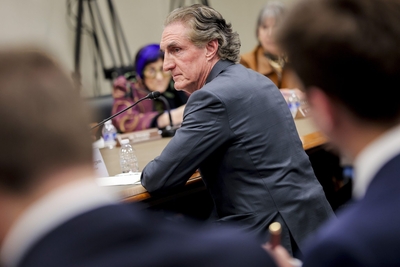
“America’s public lands are meant to be experienced and enjoyed by the American people,” Burgum said in a written statement. “At the same time, we have a responsibility to be good stewards of these lands. By seeking public input on both recreational climbing guidance and wilderness stewardship and access policies, we are taking a thoughtful approach that supports recreation, improves management and helps ensure these iconic landscapes remain available for future generations. Under President Trump’s leadership, Interior is focused on expanding outdoor recreation opportunities, removing unnecessary barriers to access and use and managing public lands in a way that benefits the American people.”
Carroll, from the Wilderness Society, said he is concerned the review and changes will go farther.
“The review of those policies seems very open-ended, but it includes language we have already seen very clearly from this administration when it wants to eliminate policies, rollback protection or outright eliminate designations. By that I mean ‘streamlining,’ ‘removing barriers’ and ‘looking for efficiencies in management.’”
Carroll encouraged Idahoans to make public comments that support keeping public lands public and oppose rolling back protections and policies governing wilderness areas.
Boise, ID