Cost Of Honolulu Rail Line At Risk Of Climbing Again
Aug 05, 2026 | 6:01 am ET
Description
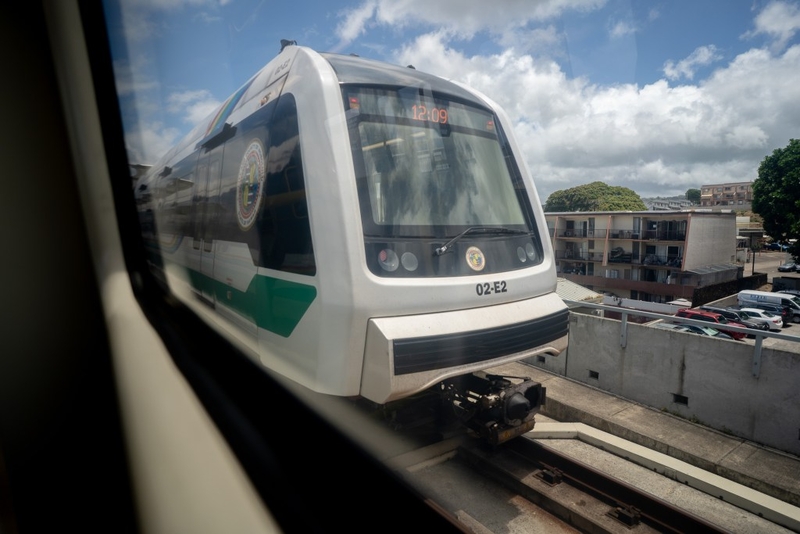
Photo courtesy of Honolulu Civil Beat
A consultant for the Federal Transit Administration is conducting a "thorough review" of rail's costs and schedule after a Honolulu Authority for Rapid Transportation analysis identified risks with the Honolulu Skyline project that could cause the cost to escalate again.
If that new risk analysis is accurate, it suggests the grand total for the 18.9-mile elevated rail line and stations, including financing, may turn out to be $10.19 billion, or $111 million more than the current financial plan for rail.
Lori Kahikina, CEO of HART, said in a written statement Monday the official budget for rail is still $10.079 billion, and the higher estimate cited in recent reports by HART and the FTA consultant reflects risks rather than firm costs. That estimate will be "adjusted up and down as risks are realized, retired or mitigated over the course of the project," she wrote.
When a risk estimate exceeds the project budget as this one has, that typically triggers a detailed review of issues such as project cost, schedule and potential mitigation measures, Kahikina said in her statement. That review is underway by FTA consultant Hill International Inc. "to determine if any changes are required to HART's estimates."
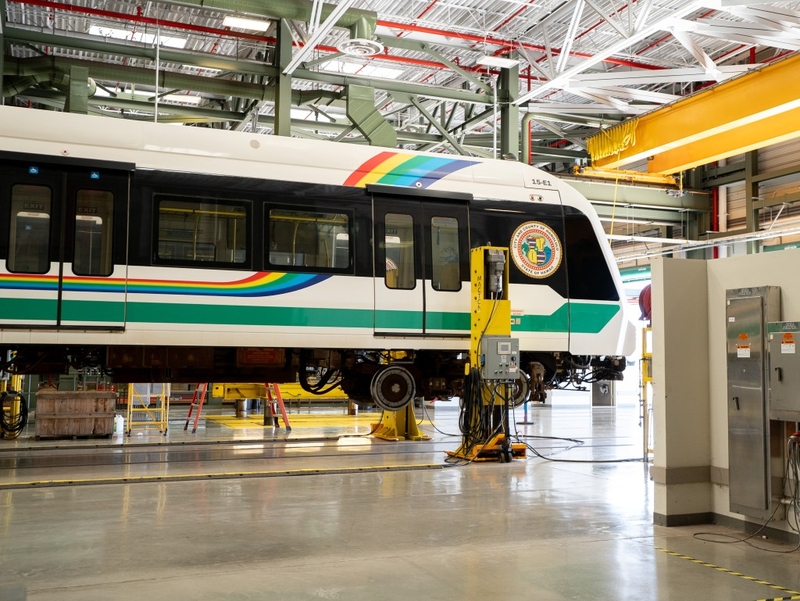
The Skyline rail system is the largest public works project in state history, and has struggled for years to cope with delays and cost overruns. The project was expected to cost about $5 billion when construction began in 2011 but the budget has grown to more than $10 billion today, in large part because of costly delays.
HART was forced to seek financial bailouts from the state Legislature worth $1.8 billion in 2015 and $2.4 billion in 2017, and got a third, urgently needed cash infusion from the city in 2021.
HART adopted a recovery plan in early 2022 to address the most recent budget crisis, which required some major cost-cutting measures. Those included ending the rail line in Kakaʻako instead of continuing a mile farther to Ala Moana Center as originally planned.
Despite those efforts, the projected cost of the Skyline system has escalated since 2022. Shortening the rail line and other cost-cutting resulted in a total estimated project cost of $9.933 billion, but last year HART had to amend its final cost estimate upward to $10.079 billion.
Last year's bump in the total project cost was attributed primarily to the unexpectedly steep price for building the city center segment of rail from Middle Street to Kakaʻako. Tutor Perini Corporation was the only bidder for that segment, and its proposal to do the job for $1.66 billion was about $550 million more than HART had anticipated.
The latest cost concerns originated with a project risk update HART staff provided to FTA consultant Hill International Inc. in November, according to the consultant's reports. That risk analysis concluded the latest "P65" rail cost estimate is $9.681 billion, or $10.19 billion when financing costs of $510 million are included. "P65" means there is a 65% probability the system can be built for that amount.
Hill International closely monitors HART's finances, and stated in its most recent report it planned to undertake a review of the rail cost estimates and schedule in May. Kahikina said in her statement that review is ongoing.
'Terrible ... But It Is Not Surprising'
Eric Goldywn, professor of urban planning at New York University, said other cities ranging from Austin to Seattle and Minneapolis have also been struggling to contain costs and keep to their schedules, but "this is what happens on the transit side."
"I mean, it's obviously terrible, but it is not surprising," he said of the looming Honolulu cost risks. "Costs have sort of been ballooning all over the country and it's not totally clear to me why that is." Goldwyn is director of the transit and land use program at the Marron Institute of Urban Management at New York University, which maintains a database of about 1,000 transit projects.
Rail executives have been citing tariffs as a particular problem at the moment, Goldwyn said, but plenty of other things can go wrong.
"These are long, linear, very complicated projects, going through different neighborhoods, touching utilities, touching roadways, touching environmentally sensitive habitats," he said. "And so every time you move another foot forward there's potential for some kind of unknown, or some kind of complication."
Kahikina said in her statement the most recent cost concerns for HART are driven largely by design changes that need to be made to the rail operating system and other electronic systems in the city center segment, and also by the potential for further delays.
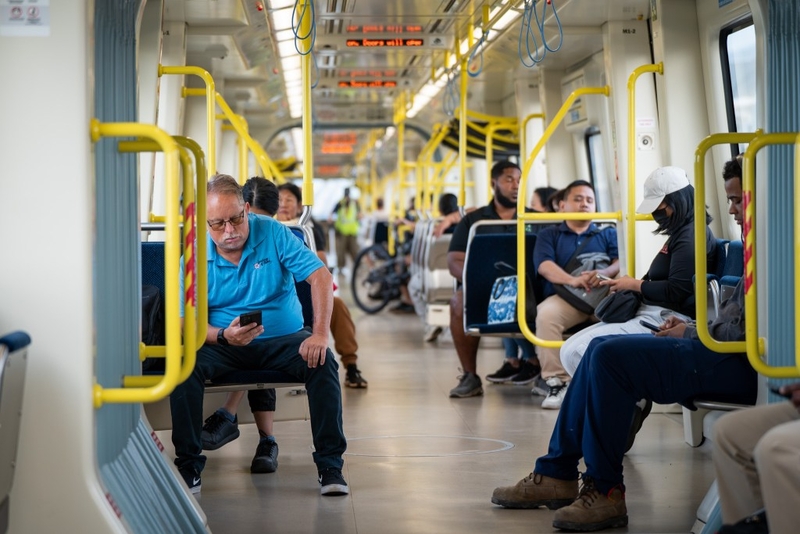
The HART board last month approved a $53 million change order with Hitachi Rail Honolulu JV to compensate the contractor for costs associated with years of delays and for changes to the scope of Hitachi's original contract, including design changes.
That change order does not resolve a lawsuit Hitachi filed against HART seeking more than $320 million for construction delays in the earlier rail segments that run from East Kapolei to Middle Street. HART responded by filing a counterclaim against Hitachi, and Kahikina said in her statement that lawsuit is still "considered one of the top three cost risks to the project."
Construction delays are often blamed for project cost increases, and HART officials acknowledged at the board's July 24 meeting that it may be quite difficult for the entire rail line from East Kapolei to Kakaʻako to open in March of 2031 as planned. Kahikina told the board the current schedule for Skyline has "no float, that means everything has to be perfect — no glitches — to reach our revenue service date of 2031."
Joe Kent, executive vice president of the free-market thinktank Grassroot Institute of Hawaii, said the risk that rail costs will increase again should be taken seriously.
"The project has a long history of overrunning costs, and to say that this is just an estimate ignores the history of the project," he said. "Every time costs go up by another $100 million or whatever it is, taxpayers end up forking over more money."
He also suggested there may be a connection between the risk of a schedule delay and the potential for higher construction costs: "If it takes longer to build it, who's going to pay for that?"
Early last year, HART projected it would have an excess cash balance of $370 million at the end of the project in 2031, but Kahikina said in her statement the latest projection puts the final cash balance at $170 million.
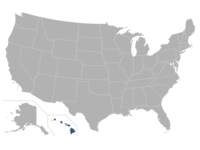
Honolulu, HI