Amendment 3 ballot title, summary language, don’t pass muster, judge rules
Aug 04, 2026 | 11:35 am ET
Description
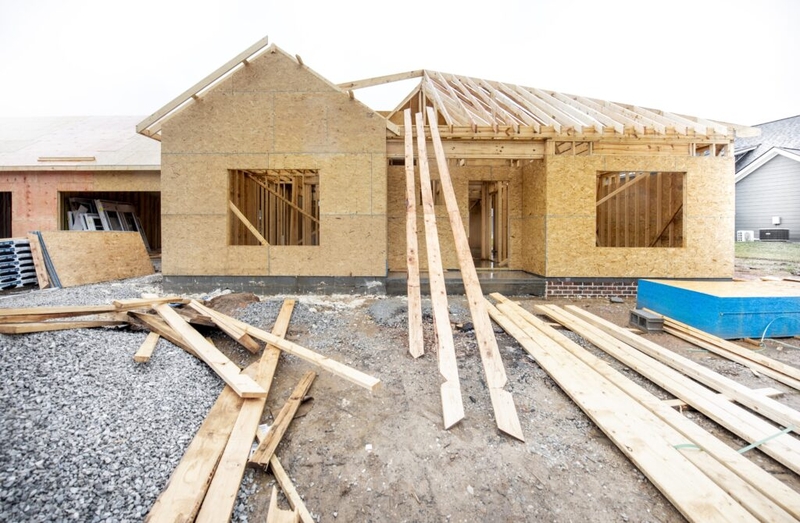
New home under construction. (Dan Reynolds Photography/Getty Images)
A Florida circuit court judge has ordered Attorney General James Uthmeier to rewrite significant portions of the ballot and summary title of Amendment 3, ruling the words “Save our Homes from Excessive Property Taxes” are “akin to a political slogan” in violation of state law.
“Simply put, the proposed ballot title does not state the basic legal purpose of the amendment; it endorses it and diverts voters from its actual effect,” Judge David Frank wrote in an 18-page ruling that affirmed the plaintiffs’ complaints about the proposal.
Frank found that Amendment 3’s ballot summary language — telling voters the amendment “benefits” taxpayers by “ensuring funding for core services,” “protecting small businesses,” and “ensuring fairness for Florida residents” — is misleading, in violation of basic legal requirements.
“Whether the amendment would “benefit” taxpayers is the central policy question voters are being asked to decide,” Frank wrote.
“The court drew a line”
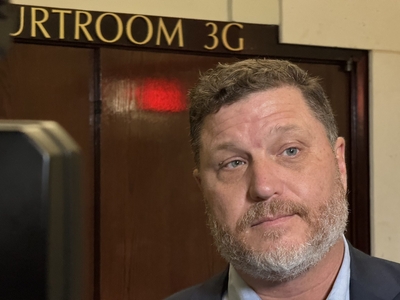
Former Republican state Sen. Jeff Brandes, one of the named plaintiffs, called the ruling a victory for Florida voters.
“Today, the court drew a line. The ballot box is not a place for political advertising,” he said in a text to the Phoenix. “This case was never about whether property taxes should be lower. It was about whether government can market a constitutional amendment instead of honestly explaining it to voters. The court said ‘no.'”
If passed, Amendment 3 would constitute one of the most significant changes to property taxes in the state in more than a generation. Its projected financial impact would reach up to $12 billion annually beginning in 2031. It has drawn widespread opposition from groups that represent firefighters, sheriffs, and police.
Brandes and other former state and local officials filed lawsuits challenging the wording of Amendment 3. The measure cannot be knocked off the ballot but state law allows for the summary to be rewritten.
The lawsuits named Uthmeier and Secretary of State Cord Byrd. Frank consolidated the cases and heard oral arguments in the challenge last week.
It’s not clear they will comply with the order or appeal.
Department of State spokesperson Gretl Plessinger said the department doesn’t comment on pending litigation. Meanwhile, Uthmeier’s office didn’t immediately respond to a request for comment.
If there’s no appeal, Uthmeier has until Aug. 14 to make the necessary corrections. That’s four days before the Aug. 18 primary, after which election supervisors around the state will start assembling the November ballots.
Frank’s ruling also rapped the ballot summary language as deficient for the lack of information provided to voters.
It “defectively omits at least one material fact. The amendment purports to change the constitutional baseline of city and county power by placing in the Constitution for the first time the Legislature’s right to control ad valorem tax spending,” he wrote.
The ruling was quickly praised by those who oppose Amendment 3.
“The people of our state need real relief from Florida’s affordability crisis, but Amendment 3 is a handout to the owners of multimillion-dollar homes while working families and seniors are left to pay more through other taxes or face major cuts to local services we all rely on,” Jackson Peel, with the group Save our Services No on Amendment 3, said in a prepared statement.
‘Monumental cost shift’
The Florida Policy Institute also released a statement.
“Today’s ruling affirms our stated concerns since the idea of property tax elimination was first floated by Gov. DeSantis in February 2025: that presenting this as a ‘savings’ for Floridians fundamentally misrepresents the true consequences of this amendment,” the institute said.
“Eliminating homestead property taxes would be a monumental cost shift. It would result in reduced or eliminated public services — longer emergency response times, rural hospitals shuttered, libraries closing, and more expensive childcare and summer camps, to name just a few ways Amendment 3 would erode Floridians’ quality of life and make Florida more unaffordable. Floridians deserve accurate information on what is at stake and we urge Attorney General Uthmeier to respond to the judge’s order and strip out the extreme bias in Amendment 3’s ballot language.”
The Florida Legislature passed Amendment 3 in the form of HJR 1F in early June. The ballot title and summary language the Frank found deficient were drafted initially by the DeSantis administration, although the final amendment was significantly altered by legislative leaders. So much so that DeSantis has said he won’t campaign to help pass the proposal.
Amendment 3 maintains the existing homestead property exemption through this year for resident homeowners. But it increases the homestead exemption for longstanding property owners to $150,000 in 2027 and $250,000 in 2028.
House Democratic Leader Fentrice Driskell, who voted against the proposal in June, issued a written statement reiterating her opposition to the plan.
“The idea that this amendment would save our homes from excessive property taxes was always a scam and misleading to voters,” Driskell, a Tampa Democrat, said.
“This amendment to eliminate property taxes will hand massive tax breaks to billionaires and large corporations, leaving hard working families, seniors, and small businesses to pay for it. This is not a tax break but a tax shift that will cause new fees, higher taxes, and cuts to essential local services. I believe Floridians can and will stop this deception from seeing the light of day in November.”
Tallahassee, FL