Rhode Island joins two more lawsuits against Trump administration
Aug 04, 2026 | 11:53 am ET
Description
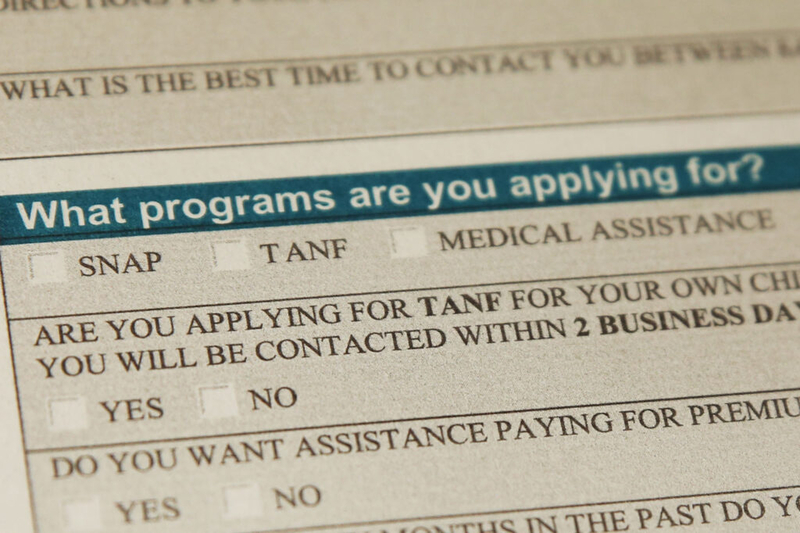
A group of mostly Democratic-led states is challenging a Trump administration rule that would force them to provide data on people receiving antipoverty benefits. (Photo by Makenzie Huber/South Dakota Searchlight)
The Trump administration’s demand for states to provide Social Security numbers, immigration status, and other private information on low-income residents who receive cash benefits is improper and unconstitutional, a group of mostly Democratic-led states alleges in a new lawsuit.
Officials with 24 states, including Rhode Island, and the District of Columbia say in the complaint that a regulatory change proposed by the U.S. Administration for Children and Families and set to take effect Aug. 11 greatly exceeds the federal government’s assigned role in overseeing the antipoverty program called TANF, or Temporary Assistance for Needy Families, and violates multiple privacy laws.
The change, first announced in June, will also cost states extra time and money and chill participation in a program that benefits some 2.4 million people nationwide, according to the 60-page lawsuit filed Monday in federal court in D.C. The states are calling for the court to throw out the proposed rule and ensure the confidentiality of this information.
In a separate suit Monday, Rhode Island was one of 25 jurisdictions to sue the administration over the imposition of what it called “unlawful” tariffs. They are just the latest in the dozens of legal actions against the federal government by Rhode Island and by the other states.
“Once again, the President is attempting to unlawfully gain access to sensitive data including Social Security numbers, addresses, and more,” Rhode Island Attorney General Peter Neronha said in a statement Monday. “Here, beneficiaries of TANF benefits are low-income families in need of emergency housing, victims of domestic abuse, and others, all of whom would potentially have their personal information shared across the federal government and possibly with private companies under this change. It is the responsibility of the states to determine eligibility for this program, not the federal government, and the Trump Administration will learn this the hard way when we see them in court.”
The TANF lawsuit alleges the change is part of the Trump administration’s ongoing effort to target immigrants by tightening the rules around various social service programs. Administration officials say they are trying to root out fraud and abuse, but critics say the new rules are designed to force out people who were born outside the U.S.
The Administration for Children and Families declined to comment on Monday. According to the lawsuit, the administration said it will share the data it obtains with other government agencies or private entities as part of its quest to verify that states are properly spending taxpayer dollars.
Nothing in the law supports the federal department’s “extravagant claims of authority and gross breach of personal privacy,” the lawsuit says.
“The sharing of such information runs afoul of a thicket of federal privacy protections,” it says.
When TANF was created as part of a federal welfare overhaul in 1996, it was purposely designed to limit the federal government’s role and give states wide control over the program’s design, operation, and information verification, according to the lawsuit. The Trump administration has insisted problems with the program require greater federal scrutiny.
The regulatory change announced in June would force states to provide additional details on participants, including Social Security numbers, country of origin, and immigration status, even though 95% of children and 85% of adults receiving benefits are U.S. citizens, according to the lawsuit.
Rhode Island receives about $95 million a year in federal TANF funding, distributed to eligible families through the Rhode Island Works program. As of December 2025, there were 2,572 adults and 5,932 children who received cash assistance or other supports through the Rhode Island Works program, according to Rhode Island KIDS Count. Nearly 4 in 10 of the children who receive program benefits are under 6 years old.
The lawsuit also alleges that the Trump administration has not specified how they plan to keep program participants’ data safe, that the change would place a “direct and significant” cost on states, and that releasing data to the federal government would erode trust state agencies have developed with participants.
In addition to Rhode Island, the plaintiffs are New York, D.C., California, Arizona, Colorado, Connecticut, Delaware, Hawaii, Illinois, New Jersey, Kentucky Gov. Andy Beshear, Maine, Maryland, Massachusetts, Michigan, Minnesota, Nevada, New Jersey, New Mexico, Oregon, Pennsylvania Gov. Josh Shapiro, Vermont, Virginia, Washington, and Wisconsin.
Those same states were part of the lawsuit against the Trump administration for imposing 10% and 12.5% tariffs last month on the European Union and 59 other countries that trade with the U.S.
The president imposed those tariffs under Section 301 of the Trade Act of 1974 that’s used to combat “unfair trade practices” by other countries. The tariffs imposed in July affect over 99% of U.S. imports.
The states’ lawsuit, which also includes North Carolina, was filed in the U.S. Court of International Trade in New York. It follows a May ruling that said the president’s 10% global tariff was unlawful. The 2-1 decision in that case also noted the president’s decision exceeded his authority.
But Trump has continued to pursue new tariffs, which he has made part of his foreign policy initiative since his second term in office.
“Americans are sick and tired of an economy that isn’t working for them, and President Trump is exacerbating the situation with every chance he gets,” Neronha said in a statement. “The U.S. Supreme Court has already ruled that the President’s tariffs are unlawful, and in typical fashion, he thinks he found a loophole in this new strategy. And we will fight to ensure he is unsuccessful in this latest attempt.”
Neronha as the state’s top prosecutor has led or joined 68 lawsuits against the Trump administration this year, including 16 cases filed in Rhode Island federal court.
Rhode Island Current reporter Nancy Lavin contributed to this article.
This story was originally produced by New Jersey Monitor and Maryland Matters, which is part of States Newsroom, a nonprofit news network which includes Rhode Island Current, and is supported by grants and a coalition of donors as a 501c(3) public charity.
Providence, RI