Mississippi businesses have the power to slow the brain drain, new study shows
Jul 30, 2026 | 2:07 pm ET

Description
Photo courtesy of Mississippi Today
Audio recording is automated for accessibility. Humans wrote and edited the story.
Mississippi could grow its population, strengthen its workforce and boost its economy if employers offered more family-forward policies – and doing so wouldn’t be that hard, researchers argue in a new report by the Mississippi Early Learning Alliance.
Those policies include paid leave, childcare assistance, flexible scheduling and health-related benefits. Even modest changes could increase employee retention and productivity and put millions more dollars into the state’s economy, said researchers for the nonprofit group, which is dedicated to improving early learning and child development outcomes in the state.

“Too often, family-forward workplace policies are seen as nice-to-have benefits or feel-good ideas,” Biz Harris, executive director of the Mississippi Early Learning Alliance, told Mississippi Today. “But the reality is that they’re some of the most effective tools employers have to address the workforce challenges they’re already facing.”
Mississippi has the nation’s second-lowest workforce participation rate, with nearly half of its adults unemployed. Childcare challenges cost the state an estimated $673 million a year, including $553 million in employer losses from absenteeism and employee turnover. More than half of Mississippi parents report missing work because of childcare access, and some leave their jobs altogether.
And Mississippians are leaving more than just their jobs. The state’s population has declined or remained unchanged nearly every year since 2014, leading to what policy analysts have dubbed “the brain drain.” Jackson is one of the fastest-shrinking U.S. cities. Meanwhile, neighboring states such as Alabama and Arkansas are growing.
The good news, according to the report, is that employers don’t have to look out of state for solutions. Several Mississippi companies are already implementing strategies that help attract and keep working parents.
Mississippi Power, a utility company headquartered in Gulfport, offers up to 12 weeks of paid maternity leave, two weeks of paid parental leave and 12 weeks of paid adoption leave, according to the report.
Toyota Mississippi, a manufacturing plant in Blue Springs, includes an on-site childcare center offering 24/7 services to align with employees’ shifts.
Many family-forward policies don’t require significant financial investments, the report noted. Offering flexible workday start and end times costs employers nothing and can help employees navigate school or daycare drop-off and pick-up times. A private lactation space in an existing area of the workplace can improve employee satisfaction without requiring major structural shifts for an organization.
The report also encouraged employers to invest in health benefits that are specifically geared toward supporting families, such as a low-deductible family insurance plan.
Mississippi Early Learning Alliance helped develop a childcare tax credit for businesses that contribute to the cost of childcare for their employees. The group created an economic impact calculator to help businesses understand how much money they could save by investing in childcare.
Family-forward policies can start small but have profound impact, Harris said. And not just for working parents, but for the next generation.
Studies show that when working parents have access to robust paid leave and affordable, high-quality childcare, children bond better and benefit cognitively and emotionally. Those children grow up and become stronger contributors to the communities where they’re raised.
“Supporting caregivers and parents during the earliest years of a child’s life isn’t separate from building a stronger economy,” Harris said. “It’s how we build one.”
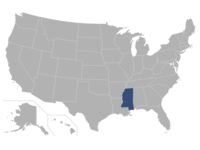
Jackson, MS