New Mexico acequia advocates renew effort for disaster funding amid floods, fires and drought
Jul 17, 2026 | 2:55 pm ET
Description
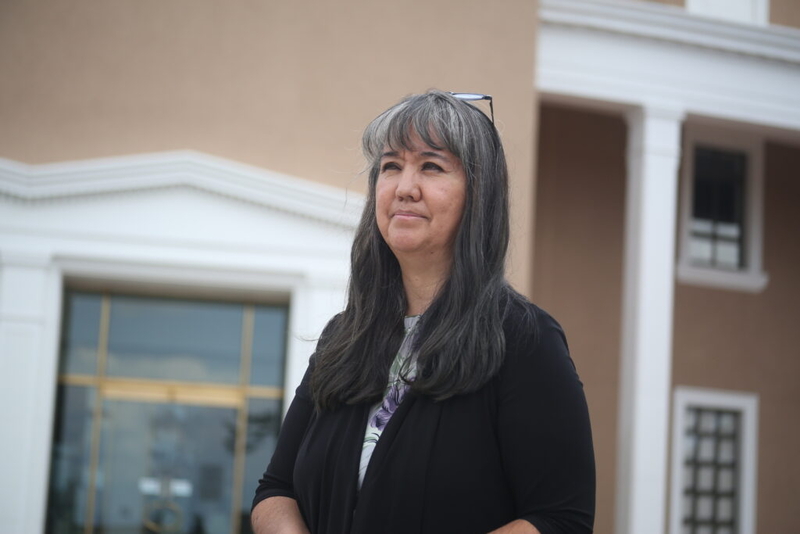
New Mexico Acequia Association Executive Director Paula Garcia, pictured at the Roundhouse on July 15, 2026, said accessible, recurring funding for acequias is increasingly urgent due to natural disasters that deprive stewards of their livelihoods. (Danielle Prokop for Source NM)
New Mexico acequias won’t survive the new normal of wildfires, floods and prolonged drought without a dedicated, easy-to-access funding stream that operates independently of state or federal disaster response systems.
That’s the conclusion New Mexico Acequia Association Executive Director Paula Garcia told Source NM she reached following a series of legislative committee hearings this week. The interim Land Grant Committee convened budget experts and advocates to discuss how to craft legislation that would provide the historic irrigation canals with adequate funding to rebuild after increasingly common and damaging natural disasters.
In recent years, wildfires, floods and drought have weakened the statewide acequia network, causing tens of millions of dollars in damage each year and depriving irrigators of their livelihoods until they can pay to dig out sediment, replace a headgate or rebuild an embankment, Garcia said.
But funding from state and federal disaster response agencies has been difficult to access. Most disaster funding hinges on whether an official state or federal declaration has been declared, but sometimes disaster damage to acequias escapes the notice of state or federal leaders, Garcia said.
For example, last year, she noted, floods that damaged roughly 30 acequias near Chimayo and Ojo Caliente did not prompt a state disaster declaration. More recently, stewards of an acequia in the Jemez area are similarly trying to rebuild without state or federal funding following a flood that destroyed it earlier this summer, she said.
“In the [current] disaster framework, it’s just not considered important enough to rise to the level of a disaster, but you’ve got dozens of acequias silted in, and millions of dollars of help they need,” Garcia told Source NM.
But even if state or federal leaders declare a disaster, the small, volunteer organizations overseeing the ditches often don’t have the capacity to navigate layers of bureaucracy to unlock funding. And in most cases, acequias have to pay 25% of the costs or find a way to pay for repairs in full and then wait for slow-to-arrive government reimbursement.
That leaves acequias increasingly vulnerable to disasters, Garcia said, with nowhere to turn.
“There is no clarity on what to do, no clear place that serves acequias specifically in the way that they need to be served,” she said.
Officials report at least 30 NM acequias suffered millions in damage in recent floods
Similar legislation has failed to clear more than one committee in recent years. Last year, House Bill 371 would have established a trust fund that generated $5 million a year for acequias to rebuild after disasters. It passed the House of Representatives by a 63-2 vote but failed to pass the Senate Finance Committee.
Garcia said she hopes the ongoing meetings with lawmakers and others in the months leading up to the session will produce legislation that “cracks the code” and finally dedicates adequate funding for acequias struggling for their survival..
“We need to cultivate that political will to make it happen, and make the case about why our communities are important,” she said. “We’re a part of New Mexico, and our infrastructure needs are very unique and vital to our survival as land-based people.”
Santa Fe, NM