NV prison system mortality report ‘sounds like a lot of unexplained deaths,’ legislator says
Jul 17, 2026 | 8:00 am ET
Description
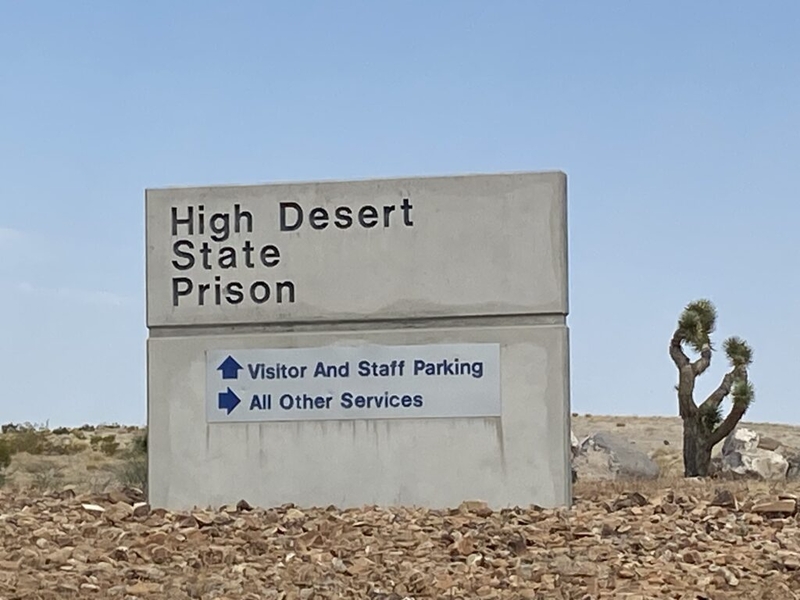
(Photo: Micheal Lyle/Nevada Current)
The growing number of deaths in Nevada prisons prompted scrutiny from state lawmakers, who were told by corrections officials Tuesday that 166 people have died in custody since 2024.
There were at least 98 deaths – the largest portion of the total number – in that two and a half year time period that were attributed to natural causes, Nevada Department of Corrections officials told lawmakers at this week’s Interim Judiciary Committee meeting.
The paucity of data prompted questions about the causes of death, the factors at play, how Nevada prison death data compares with other states, and efforts to decrease the numbers.
“I think I was hoping for a little bit more robust presentation from you,” said Democratic state Sen. Melanie Scheible, who chairs the committee. “Maybe I don’t have a finger on the pulse of what’s happening in custody across the country, but this sounds like a lot of deaths to me.”
James Dzurenda, the director of NDOC, couldn’t provide the information at the time but told lawmakers the department would work to get that information and “compare them to comparable states.”
There were 76 incarcerated people who died in Nevada prisons last year, up from 55 deaths in 2024.
At the time of the presentation there had been 35 in-custody deaths so far this year, officials said.
In addition to the 98 deaths attributed to natural causes in the last two and a half years, 25 deaths were ruled an accident, 18 were determined to be a homicide, 13 were deemed a suicide, and 12 cases are still pending.
Accidental deaths are determined to be the cause when the deaths are neither a result of homicide, natural causes, or suicide, said Donald Southward, the chief of offender management with NDOC, adding examples could be “accidential overdose” or taking the wrong medication.
“This sounds like a lot of unexplained deaths to me,” Scheible said, “if we’re lumping so many of them into this accident category, which we just learned could be as wide ranging as drug overdoses to things that are not occurring, but could be occurring, and the left hand isn’t talking to the right hand about whether offenders are taking the right medications or not.”
A recent U.S. Department of Justice report tracks deaths in state and federal prisons, but only from 2000 through 2019. However, the last year data was collected in the report showed 34 deaths in Nevada prisons.
The largest number of people who died in Nevada prisons during those two decades was 47 in both 2015 and 2017, according to the report.
Democratic Assemblymember Brittney Miller asked NDOC officials how Nevada data compared to states with incarcerated populations comparable to Nevada’s.
Natural deaths, she said, could be “a question about healthcare and other things as well,” Miller said.
“I’m not going to ask you what you deem acceptable,” she said. “I’m asking, compared to other states with the same incarcerated population, what is their average for deaths per year?”
Those were among questions for which NDOC said answers were not readily available.
Republican Assemblymember Alexis Hansen also asked how barriers to access to healthcare contribute to the large number of people dying while incarcerated.
Like Nevada in general, which has a shortage of healthcare providers statewide, prisons haven’t been able to recruit or retain medical staff, said Ken Williams, the medical director for NDOC.
The job of NDOC “is to keep people safe when they are in custody,” Scheible said. “What metric do you use to determine whether or not you are achieving adequate safety metrics?”
Dzurenda attributed the increase in deaths to the increase of “the drug trades” happening within the prisons and the rise of “synthetic drug use in the prison system.”
“We look at the trends that are happening with the increase in the violence and why,” Dzurenda said. “We’ve had a significant increase in homicides, fights, assaults, overdoses, and deaths related to” the increase in drugs.
NDOC, he added, was looking at measures to prevent drug use.
The department had proposed restricting mail from entering the facility. The proposal has faced push back from prisoner advocacy and criminal justice reform groups, who questioned the reliability of a study by NDOC on drugs entering prisons through the mail.
Officials also pointed to alleviating the system’s staffing crises as a solution to help decrease deaths. The department plans to submit recommendations at the next legislative session to provide additional funding to fill vacancies.
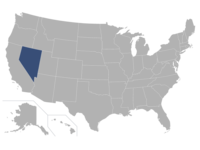
Las Vegas, NV