400 sick, disabled kids get second reprieve in Tennessee plans to report them to immigration office
Jul 13, 2026 | 6:00 am ET
Description
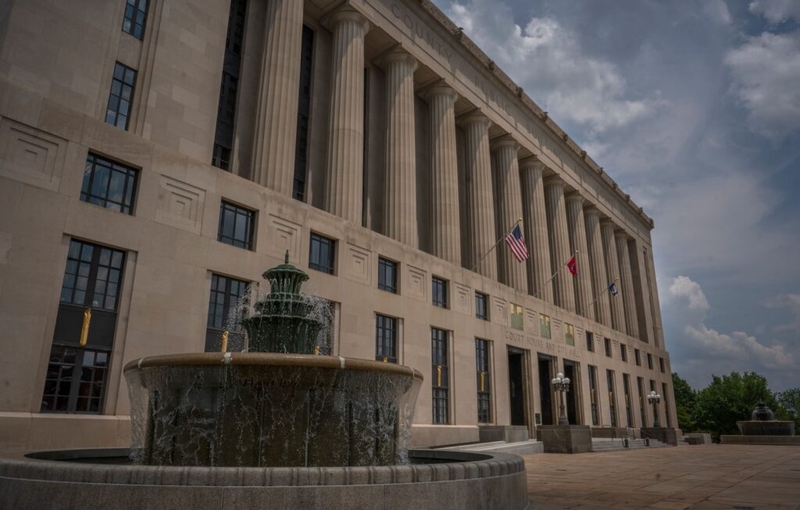
A Nashville judge on Friday extended a restraining order preventing the Department of Health from reporting sick and immigrant kids in a public health program to a state immigration office. Pictured: Metro Nashville Courthouse. (Photo: John Partipilo)
A Nashville judge has extended an order preventing Tennessee Department of Health officials from sharing identifying information about 400 sick and disabled kids with a state agency that collaborates with federal immigration enforcement.
It is the second reprieve for children enrolled in Children’s Special Services, a safety net program for sick children who need ongoing and — in some instances — life-sustaining care since last month, when the health department sent out notices spelling out immigration status reporting was a condition of continued care.
The department set a June 30 notice for families to either opt out of the program entirely or be reported to the state’s Centralized Immigration Enforcement Division, established last year by GOP lawmakers to oversee state “collaboration with federal immigration agencies.” The letter went to about 400 immigrant families. The program serves, in total, more than 4,600 kids statewide.
Advocates for critically ill kids urge Lee to intervene before deadline to report immigration status
Three doctors who treat the immigrant children filed a legal challenge to the directive on June 24 in Davidson County Chancery Court.
The doctors, represented by the public interest law firm, Tennessee Justice Center, argued the health department’s immigration reporting mandate posed life-threatening risks to their patients and is a violation of federal funding rules. The program is funded primarily through a federal block grant.
The lawsuit also alleged the Tennessee health department has misinterpreted a new state law requiring the reporting of immigrants without legal status who receive state or local benefits. The law applies only to adults, they said.
Tennessee health department warns parents their children will be reported to immigration officials
The doctors said the reporting mandate would force families to make an impossible choice.
“The state’s new reporting requirement forces families to choose between foregoing such care or exposing themselves and their children to immigration enforcement, potentially resulting in detention or deportation action that would itself disrupt the child’s medical care,” the lawsuit said.
“For medically fragile children, any such disruptions will almost certainly cause suffering and injury, and potentially death,” it said.
Chancery Court Judge Patricia Head Moskal issued a temporary restraining order within hours of the lawsuit being filed, preventing the state from moving forward with the reporting plans.
By agreement between lawyers representing the state health department and the Tennessee Justice Center, the temporary order on Friday was extended for a second time, until July 17, as behind-the-scenes legal negotiations continue.
Nashville, TN