Efforts to reform federal drug pricing program 340B continue with new report, proposed CMS rule
Jul 13, 2026 | 5:28 am ET
Description
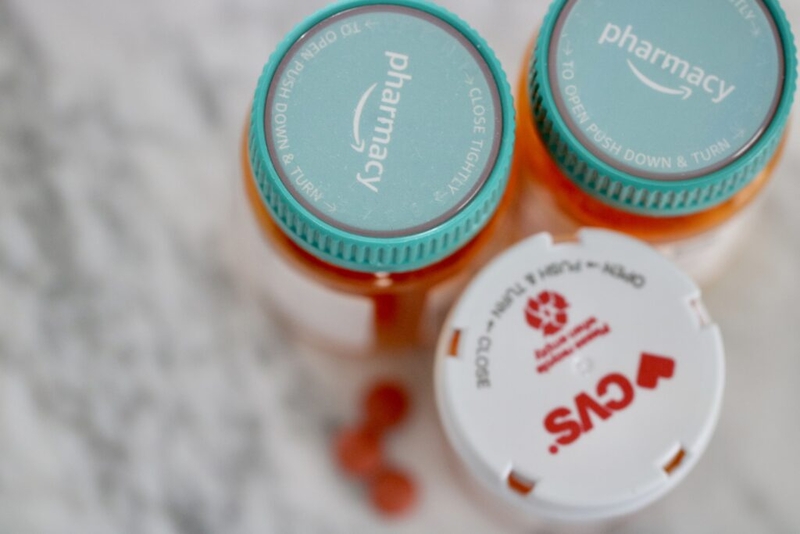
Photo illustration of prescription medicine in bottles. (Photo by Charlotte Rene Woods/Virginia Mercury)
The federal drug pricing program 340B helps hospitals and clinics in Virginia and across the nation care for underserved patients by requiring pharmaceutical companies to offer prescription discounts to qualifying providers.
But after some providers were caught taking advantage of the program and shortchanging patients, state and federal lawmakers have spent years deliberating potential reforms.
This summer, federal officials are seeking public feedback on congressional legislation drafted by a workgroup that Virginia Democratic U.S. Sen. Tim Kaine serves on.
The legislative blueprint dubbed the 340B For Patients Act — suggests changes to the program’s structure to enhance transparency, limit participation and adjust payments.
Additionally, the Center for Medicare and Medicaid Services (CMS) has unveiled a new proposed rule to slash Medicare payment rates on 340B drugs for hospitals.
What went wrong with 340B?
The program sparked controversy in recent years after a hospital chain that operates in Virginia misused it in 2022.
Under 340B, qualifying clinics or hospitals that treat underserved populations can buy prescription drugs at steep discounts while charging insurers full price and pocketing the difference. The process is meant to help healthcare providers stretch their dollars to continue caring for underinsured people.
On paper, that process worked perfectly for Richmond Community Hospital in the city’s East End, which mostly serves low-income patients.
But in reality, the hospital’s owner, Bon Secours, slashed services at the hospital and redirected resources to its affluent medical centers. Similarly, Ohio-based Cleveland Clinic had also abused the program to rake in extra cash.
Ohio-based hospital chain with facilities in Va. said to profiteer from massive charity-care program
The Senate’s Health, Education, Labor and Pensions (HELP) Committee assembled a bipartisan workgroup to focus on reform proposals. A report issued earlier this year outlined several examples of hospital and pharmacy chains taking advantage of the program.
Hospital chains in other states are suing pharmacy giant CVS, alleging they siphoned 340B funds in recent years to the disadvantage of the hospitals.
Beyond providing examples of entities abusing the program and calling for stronger oversight and increased transparency, some lawmakers have expressed concern about unchecked growth on the program.
The Senate committee’s noted a surge of sales from manufacturers to contract pharmacies, external or mail-order pharmacies that partner with hospitals or clinics.
Proponents argue it helps improve medication access for patients but critics argue 340B has “ballooned” without guardrails.
Lawmakers, pharmaceutical industry, leaders of Va. hospitals and clinics weigh reform ideas
Senate HELP committee chairman Bill Cassidy, R-La., who is also a medical doctor and outgoing member of Congress, has spearheaded the workgroup’s process.
Cassidy’s proposal would place limits on contract pharmacies, add more transparency requirements for 340B participants, and allow manufacturers to give the program rebates after drug purchases rather than an up-front discount.
The rebate shift has faced heavy scrutiny. President Donald Trump first sought it through regulatory action earlier this year. It was challenged in courts and a federal judge ruled Trump’s idea could not move forward.
William Newton, editor-in-chief of the industry newsletter 340B Report, predicted Trump may pursue the concept again next year — particularly if Cassidy’s proposal fails to gain steam.
Kaine previously noted that the rebate shift would further burden providers like small clinics or Federally Qualified Health Centers. These entities typically don’t have the upfront cash flow that larger hospital chains have.
“If you make them pay the full price up front and then say ‘you can get a rebate back at your back end,’ how are they going to do that?” Kaine asked in a late February phone call.
Virginia Community Healthcare Association CEO Tracy Douglas said her organization is “not pleased” with Cassidy’s proposal, but is grateful that he has called attention to 340B.
Douglas said FQHCs and small clinics feel caught in the middle of the 340B debates, which she framed as “a fight between two powerful forces: Big Hospital and Big Pharma.”
Newton agreed that entities like Douglas’ are being battered amid the debate.
“They catch a lot of stray bullets in this bigger fight and they need (the program) to stay open in a way that more resourced hospitals could withstand some of the punches a little better,” Newton said.
Douglas said a handful of Southwest Virginia clinics had to trim school-based services that had previously been sustained by 340B funding.
The lost services, she said, represent exactly the sort of outreach efforts that 340B is meant to support.
“Because of the drama around the effectiveness of the program, we’re forced to have to make tough decisions,” Douglas said.
Eight school-based health clinics close in Southwest Virginia as federal funding pressures mount
Virginia Hospital and Healthcare Association spokesman Julian Walker said despite some hospitals’ financial cushion because they’re part of multi-state health systems, many are absorbing growing rates of unpaid care from uninsured patients, plus under-insured patients. Programs like 340B help hospitals lessen that financial burden.
“This program is benefitting providers that are serving patients that might otherwise have limited access to care and access to needed medications,” he said.
State Sen. Kanan Srinivasan, D-Loudoun, addressed the contract pharmacy component of the 340B debate earlier this year.
He introduced a bill to prohibit pharmaceutical companies from limiting contracts in Virginia. But it faced pushback from pharmaceutical lobbying groups and evolved into a workgroup to explore how 340B works in the state, specifically.
The group — which will include representatives from Douglas’ organization along with hospital, pharmacy, health insurance, business, and pharmaceutical manufacturer representatives — will submit a report to the legislature’s finance and health committees by Nov. 1, which could help inform future policy discussions.
As federal drug pricing program reforms lag, Va. senator’s bill seeks state-level solutions
Industry groups like Pharmaceutical Manufacturers of America didn’t condone Srinivasan’s original bill but have been supportive of broader reform efforts.
Virginia lawmakers also agreed on a budget amendment requiring state-covered entities to submit quarterly claims data on 340B dispenses to Medicaid enrollees. It’s not a wholesale fix to 340B issues but represents a significant state-level remedy.
In lieu of waiting on concrete federal action, Newton said a handful of other states have put similar transparency-boosting requirements in effect.
Others have laws like Srinivasan’s original proposal to limit contracts, which continue to fuel the “unchecked growth” debates, Newton explained.
New Medicare rule proposal could alter part of the program sooner
A rule CMS recently proposed would slash Medicare payment rates for 340B drugs.
Newton emphasized that the proposed rule would not affect clinics or health-focused nonprofit organizations that tap into the program.
Conflicting views on 340B remain, public input sought
Debate about the effectiveness of 340B continues.
Molly Jenkins, a public affairs director at PhRMA, said her organization appreciates the Trump administration’s “focus on the role hospitals play in driving healthcare costs” through the reforms they’ve pitched.
She added that the 340B program has created “perverse incentives” that “allow hospitals to profit with no accountability for what they do with that money.”
While systems like Bon Secours and Cleveland Clinic have been flagged for misusing the program Walker emphasized that its benefits for patients and providers have been longstanding.
Walker said health systems have maintained “good faith” dialogue with federal lawmakers, including those in the U.S. Senate HELP committee. Hospitals would likely oppose changes that “water down or otherwise weaken the program.”
Virginians and residents of other states have time to give feedback on the proposals this summer, before federal reforms are implemented.
Public comment on the CMS rule will run until Aug. 31. Comments about Cassidy’s potential bill may be sent to [email protected] by Aug. 28.

Richmond, VA