Boone to upgrade water infrastructure to meet increased demand from dairy plant
Jul 09, 2026 | 5:20 pm ET
Description
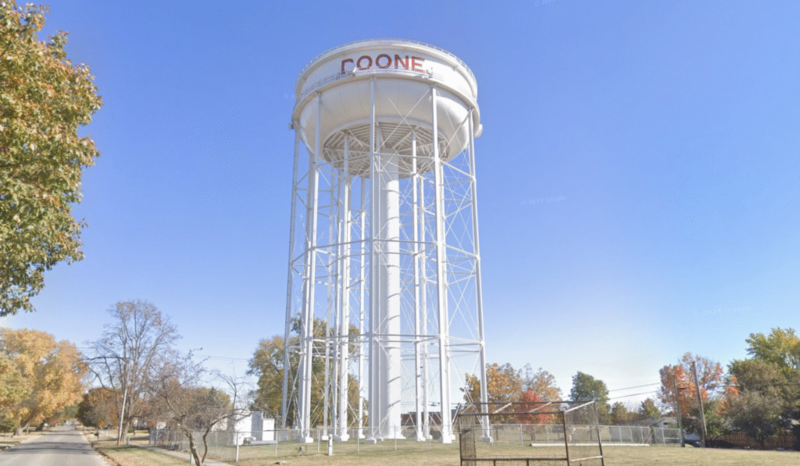
The City of Boone in central Iowa plans to add a well and new water tower to meet the water demands of a Daisy Brand production facility. (Photo via Google Earth)
A central Iowa city is planning to drill a new well to keep the nitrate levels in its tap water below the federal drinking water nitrate limits when a dairy processing facility comes online and increases water demand on the system.
An environmental impact report on the project said the addition of the Daisy Brand production facility on the east side of Boone will “significantly reduce the city’s operational flexibility” in managing nitrates through its current system.
The environmental impact report was produced in accordance with the city’s loan application for the project with the State Revolving Fund. The city council held a public hearing on the application Monday and released the environmental impact report.
Boone pulls its water from a series of shallow wells along the Des Moines River. The water treatment facility, according to the report, rotates the wells it pulls from to maintain a mixture of “raw water” going into the treatment facility, that is below the federal drinking water maximum concentration for nitrate of 10 milligrams per liter.
The city does not have a nitrate removal system, and according to the report, has had rising concerns about its ability to remain within nitrate contamination maximum levels while meeting water use demands as nitrate levels in the Des Moines River “have trended upward.”
The EPA drinking water standard exists to prevent health hazards like blue baby syndrome, which can be fatal in infants, but there is growing concern in the state that the nitrate concentrations in the water sources has contributed to Iowa’s high cancer incident rates.
The influx of nitrate in source water rivers has become a growing problem for cities around the state, even in the Des Moines area where water treatment facilities have reverse osmosis systems or pricey nitrate removal systems in place to keep levels within the EPA limits.
Daisy Brand, a sour cream and cottage cheese manufacturer, is building a 750,000 square foot facility in Boone and broke ground in May 2025.
Daisy Brand received $7 million in direct financial assistance and tax benefits from Iowa Economic Development Authority as incentive to build the project in Boone, and according to a news release from the state, Daisy plans to invest $626.5 million into the facility.
The facility is slated to employ more than 250 people, but it’s clear that the City of Boone will have to upgrade its water infrastructure with a new well and a new water tower, among other changes, to support the water needs of the facility and its existing residents.
Daisy Brand did not respond to a request for comment.
The environmental impact report stated that “no additional wells are required for capacity purposes” in Boone currently, but it said the addition of the Daisy facility in 2028 will impact the city’s ability to manage nitrate concentrations and water demand.
According to the report, the city plans to provide treated water to the Daisy facility in 2028 when it opens. The report said an evaluation of the city’s facilities revealed that Boone’s existing service pumps would need to be upsized and its sodium hypochlorite feed system, a disinfecting treatment system, expanded, in order to meet demand starting in 2028.
The city currently has storage for 4.3 million gallons of water, but the report said the projected average demand in 2044 will increase to 4.8 million gallons per day. The report said it is recommended that the city have a storage capacity of 5.1 million gallons per day. According to the report, the Daisy facility will also require a “rapid delivery of large water volumes” that will “place significant strain” on the city’s water distribution system. To account for this, the city plans to build a new elevated storage tank, or water tower.
Plans for the new water tower and well are reflected in the City of Boone fiscal year 2026 capital improvements program with projected costs of $4.14 million for the tower and $3.8 million for the new well. According to the capital improvements plan, the tower will be built near the Daisy facility, with a mixer “to improve water quality” and “meet future average daily consumption of water needs.”
The city also plans to upgrade additional water treatment and storage structures for a total estimated cost of more than $12 million by 2030, according to the capital improvements project.
The capital improvements plan shows the water tower will be paid for with a grant and water revenue bond. The well will also be paid for with the water revenue bond, while the city anticipates funding for other water infrastructure upgrades will come from the State Revolving Fund.
The new well will be drilled in an area the report deems as having “historically low nitrate concentrations,” which will give the city greater flexibility in mixing raw water sources to ensure nitrate contamination is within the federal limit. The environmental impact report said the city should “further investigate nitrate treatment alternatives” due to the “potential for elevated nitrate levels in the raw water.”
Council members said during the July 6 meeting that the city has considered nitrate removal systems, in particular a biological treatment system that would convert the nitrate in the water into nitrogen gas to avoid creating nitrate-high wastewater, but said the systems are costly.
Guy Morgan, a Boone resident who campaigned for the Democratic nomination in the 2nd Congressional District primary, said he worried the proposed water infrastructure upgrades would leave the city unable to install a nitrate removal system.
“Because I think that’s important if we’re trying to increase the quality of life for people in Boone, is … to also do reverse osmosis (a type of nitrate removal), because then we’ll be able to tackle nitrates and pollutants and stuff in the water,” Morgan said.
City leadership did not respond to requests for comment on the planned upgrades.
Des Moines, IA