BGE to resume power shut-offs this summer after hiatus
Jul 02, 2026 | 10:30 am ET
Description
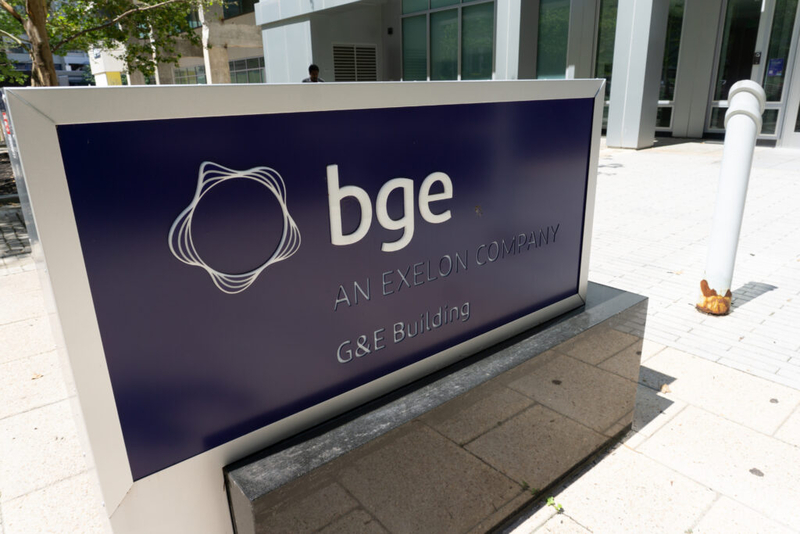
Baltimore Gas & Electric is warning customers that shut-off notices are resuming. (Photo by Christine Condon/ Maryland Matters)
Baltimore Gas & Electric plans to resume power shut-offs this month for residential customers behind on their bills.
The company had been barred from conducting shut-offs over the last six months, due to issues with its customer service call center. But now, BGE has warned customers that shut-off notices are resuming, and could arrive in the mail this week, coinciding with a blistering heat wave.
Shut-offs won’t begin until after July 15.
“BGE is also proactively contacting delinquent customers with phone calls who are eligible to receive turn off notices and active delinquencies offering payment arrangements, budget billing, and information for energy assistance programs,” according to a statement from BGE spokesperson Lydia Parker.
Limitations are in place to prevent power terminations during the hottest days of the summer.
Under state policies, utilities cannot cut power to a household if the 6 a.m. forecast predicts temperatures of 95 degrees or higher on a given day, or a sustained heat index of 95 degrees within the next 72 hours, said Kathy Fueston, deputy director of legislative affairs and communications at the Maryland Public Service Commission, which regulates Maryland utilities.
Still, a group of Maryland consumer advocates are concerned about resuming shut-offs in mid-July.
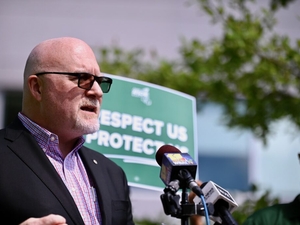
“These power cutoffs will cause major problems for many people in the Baltimore region, especially seniors living on fixed incomes who simply cannot afford their energy bills,” said Laurel Peltier, Chair of the Maryland Energy Advocates Coalition.
Since 2019, the total amount that BGE customers are behind on their bills has increased fivefold between March 2019 and March 2026, PSC data shows — from $44.6 million to $224.2 million. In total, BGE serves about 1.3 million electric customers and 700,000 gas customers.
PJM gets green light to push data centers onto back-up power during heat wave
Amid rising challenges with electric bills, spurred partially by intense demand projected to come from AI data centers in the 13-state electric grid, Maryland lawmakers have passed broad energy legislation during the past two sessions in Annapolis. They predict that their latest attempt will save Maryland ratepayers a minimum of $150 annually, largely because of cuts to an energy efficiency program covered by utility bills, though other changes in the new law could produce more savings.
The coalition is urging Marylanders who receive shut-off notices to visit the Maryland Office of Home Energy Programs website to apply for bill assistance, in addition to contacting BGE about a payment plan.
Low-income ratepayers receiving assistance will receive a major break in January, when a separate rate for low-income customers takes effect, aiming to limit their bills to 6% of annual income.
The coalition also recommends that ratepayers sign up for no-cost Quick Home Energy Checkups and HVAC tune-ups, and consider subscribing to a community solar farm, which can reduce bills.
“The good news is that many Marylanders qualify for programs to help them pay their energy bills — but they must act soon to keep their power on. In 2025, only about 30% of the eligible households applied for energy assistance grants,” Peltier wrote.
Issues with BGE’s call center date back to 2025. Between July and mid-November of that year, regulators received hundreds of complaints from customers, who pointed to extreme hold times, dropped calls and unfulfilled callback requests.
The concerns prompted the Public Service Commission to require BGE to pause its normal collections and terminations process in December. In an order on May 15, the commission lifted the pause effective July 15, citing “demonstrated improvements cited in BGE’s call center metrics.”
Consumer advocates such as the Maryland Office of People’s Counsel did not oppose BGE’s request to resume shut-offs, so long as they did not begin before July 15, and so long as the utility continued reporting back to the commission about its call center statistics for the next three years.
The commission agreed, requiring three years worth of reporting although BGE requested one year. The commission wrote that call center volumes could increase once termination notices are issued once more, placing more strain on the system.
“To ensure that call center performance remains at acceptable levels once these activities resume, the commission … directs BGE to continue filing monthly and quarterly performance reports for a period of three years,” reads its May 15 order.

Annapolis, MD