OPINION: Nebraskans can hold polluters accountable through federal law
Jul 02, 2026 | 7:00 am ET
Description
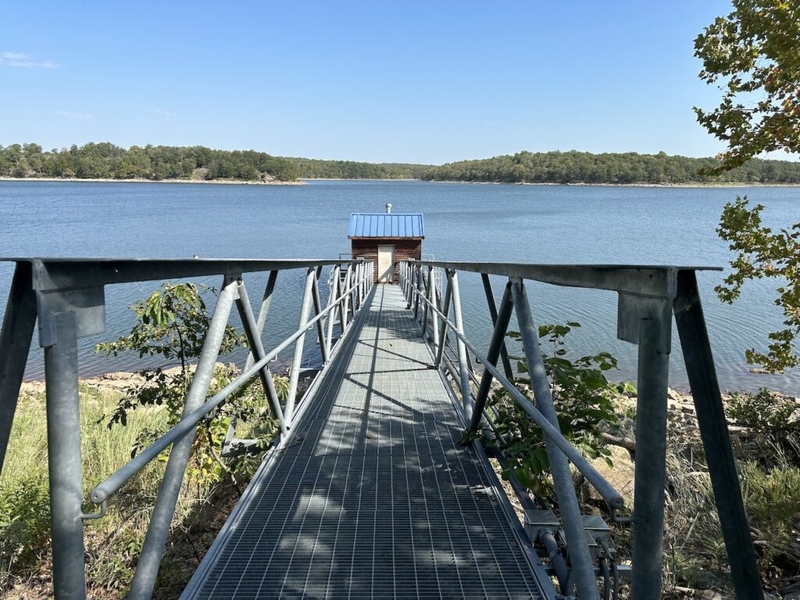
A metal gangway leads to the floating pumphouse used to harvest water for Public Wholesale Water Supply District 20 outside Sedan, Kan. A new analysis found agricultural states including Kansas have seen drinking water systems record thousands of instances of elevated nitrate, a potentially dangerous byproduct of farming. (Photo by Kevin Hardy/Stateline)
Many Nebraska families depend on private wells and small community systems for drinking, cooking, bathing and raising healthy kids. But for too many of us, that water is poisoned — loaded with nitrates from industrial hog farms’ animal waste.
We’ve seen the test results: levels soaring above the EPA’s safe limit of 10 mg/L, sometimes as high as 48 mg/L in hotspots like the Platte and Elkhorn River valleys. Recent statewide sampling by NDEE (2023–2024) found thousands of private wells contaminated, with 15% exceeding 10 mg/L and nearly 40% above the more protective 3 mg/L threshold experts recommend for children.
This isn’t just a water problem — it’s a health crisis hitting our kids hardest. Nebraska has the seventh highest pediatric cancer rate in the nation. Watersheds with elevated nitrates show disturbingly higher rates of childhood brain and central nervous system tumors, leukemia and lymphoma. Public health researchers warn that repeated exposure to these contaminants is a known risk factor for these devastating illnesses. Our families shouldn’t have to wonder if the water we give our children is slowly harming them.
Nebraska’s hog farms may help feed the nation, but when industrial-scale operations generate enormous volumes of animal waste and over-apply it to fields, or store it in leaky earthen lagoons, it turns into uncontrolled pollution. It’s also these large corporate operations that are making it difficult for small farms to turn a profit, and in many instances, running them out of business altogether.
Despite the fact that Gov. Jim Pillen admits that hog farms, including the 78 that his family owns, are the primary culprits, state and local efforts have been voluntary, slow and insufficient; contamination has doubled in many areas over decades, with nitrates still leaching in. Regulators haven’t done their job to stop it.
That’s why federal law gives ordinary Nebraskans the power to act. Under the federal Resource Conservation and Recovery Act (RCRA), citizens can file suit in federal court when industrial pollution is believed to pose an “imminent and substantial endangerment” to public health or the environment. Similar cases against large livestock operations in other states have resulted in court-ordered measures such as:
- Stopping ongoing contamination at the source;
- Providing alternative water supplies (bottled water or filtration systems);
- Groundwater monitoring and aquifer remediation; and
- Funding for community health protections.
These precedents demonstrate that federal courts have required polluters to take concrete action when state-level responses have been limited. That’s why environmental and public health nonprofits, like the Center for Food Safety, are working to address this widespread nitrate contamination; some even provide assistance to affected community members.
Clean drinking water is essential for Nebraska families. Understanding the science, the regulatory gaps, and the legal tools available is an important step toward protecting public health in affected communities. Together, we can ensure clean water for future generations of Nebraskans, but we have to act now.
Lincoln, NE