Federal changes to SNAP could cost Minnesota more than $100M per year
Jul 02, 2026 | 7:00 am ET
Description
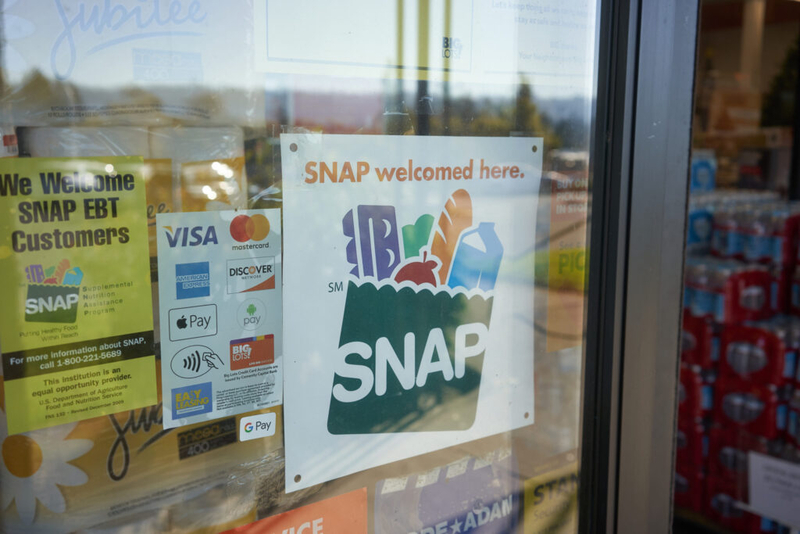
The entrance to a Big Lots store in Portland, Oregon. (Stock photo by hapabapa/Getty Images)
Minnesota could be on the hook for as much as $250 million in its next budget to pay for a share of the Supplemental Nutrition Assistance Program, thanks to a provision in the Republican megalaw on tax cuts and spending passed a year ago.
The law, which President Donald Trump named the One Big Beautiful Bill Act, requires states to pay more for SNAP, which provides food assistance to low-income people and families. States with a higher rate of erroneous payments must pay a higher percentage of SNAP benefits in their state.
Prior to Trump signing the bill into law, states were not required to cover any share of the cost of SNAP benefits.
The move by the federal government places additional pressure on Minnesota’s state budget. The state is already spending more money than it’s bringing in, and while lawmakers reduced the imbalance in 2025, when they wrote the current two-year budget, the 2027 Legislature must find additional cuts or raise taxes to correct the imbalance.
More than 400,000 Minnesotans receive SNAP benefits each month. Most recipients are children, seniors and people with disabilities, receiving an average benefit of $6 per day.
On top of the cost of benefits, the state will now have to cover 75% of the administrative costs of the program — a jump from the previous 50/50 cost-sharing arrangement with the federal government, which is likely to cost Minnesota an additional tens of millions of dollars. Counties, which do the day-to-day administrative work of registering people for benefits and managing cases, are likely to bear some of the costs, state Auditor Julie Blaha said Wednesday.
And, expanded work requirements and more frequent reporting are creating more paperwork for county workers.
“These changes to requirements requiring all kinds of new reporting are causing further disruptions and they’re struggling to keep up,” Blaha said.
The new federal law uses a state’s payment error rate — a calculation of how often a SNAP recipient receives the incorrect amount of assistance — to determine how much the state government must pay to keep the program running.
The U.S. Department of Agriculture, which oversees SNAP, states on its website that “Payment errors are largely unintentional and may be on the part of the state agency or the SNAP household. For example, the state agency incorrectly calculates a household’s expenses, or a client forgets to provide the state with an update on their income.”
Minnesota’s SNAP payment error rate jumped from nearly 9% in 2024 to more than 12% in 2025, according to numbers released on June 24 by the USDA. The One Big Beautiful Bill Act requires states with an error rate between 8% and 10% to cover 10% of the cost of benefits; those with error rates higher than 10% must pay 15% of the cost of benefits in the state. (There’s a two-year grace period for states with error rates higher than 13.3%, which Minnesota narrowly missed.)
Based on the 2024 payment error rate, the state projected $168 million in new costs over the next two years. With the new, higher payment error rate, that projection is now around $250 million over two years, not including increased administrative costs.
In a statement, a spokesperson for the Minnesota Department of Children, Youth and Families said the agency is “focused on reducing our payment error rate.”
Nine states, including neighboring Iowa, do not have to pay for benefit costs because their error rates are below 6%.
The law allows states to base their share of benefit coverage on either the 2025 or 2026 payment error rate — whichever is lower — but the USDA won’t release the 2026 error rate until after the 2027 legislative session, when lawmakers must decide how to address the new SNAP costs.
In May, the Minnesota Legislature appropriated $75 million to upgrade the outdated computer systems that county workers rely on, and funded additional training for county and tribal workers aimed at combatting fraud and lowering the error rate.
Blaha said at least 18,000 Minnesotans have lost SNAP benefits since Trump signed the One Big Beautiful Bill Act on Independence Day last year.

Saint Paul, MN