Tennessee Democrats revive push on “Pot for Potholes”
Jul 01, 2026 | 6:02 am ET
Description
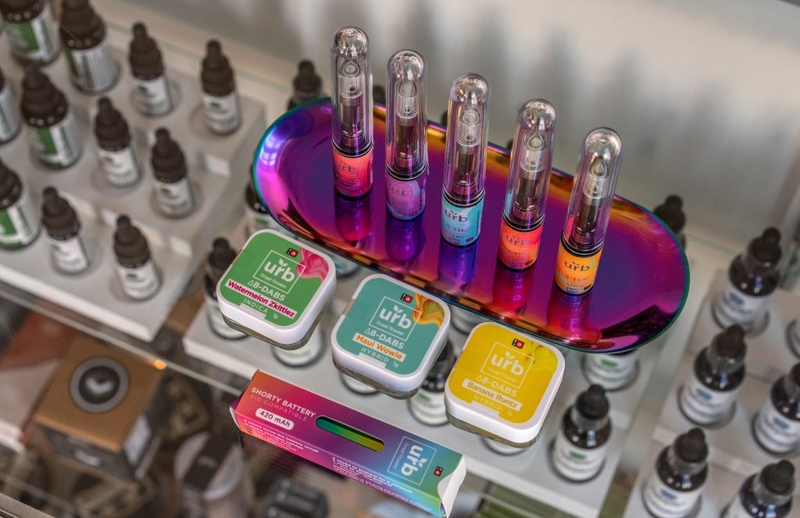
Delta-8 cannabis products, including gummy edibles, on display at Nashville's Perfect Plant. A law taking effect July 1, bans the sale of most intoxicating hemp product. (Photo: John Partipilo)
As Tennessee’s new ban on popular hemp products takes effect Wednesday, two Democratic lawmakers are reigniting a drive to legalize marijuana and use the proceeds to patch craters in highways across the state.
The “Pot for Potholes Act,” sponsored by Sen. Heidi Campbell and Rep. Aftyn Behn, both Nashville Democrats, would make pot use legal, set regulations and take the revenue to maintain roads and bridges.
The legislation hasn’t made any headway in the Republican-controlled legislature, but Campbell and Behn say they will continue to seek hearings and bring back their bill in 2027.
Attitudes also could be shifting as the federal government goes through the process for rescheduling medical marijuana, classifying it differently from drugs such as heroin and cocaine when contained in an FDA-approved product or allowed by state governments. Recreational marijuana remains a Schedule I drug at the federal level, defined as having no acceptable medical use and a high risk of abuse, although 24 states have legalized weed and more allow medical marijuana.
Tennessee finalizes hemp rules banning the sale of THCA starting July 1
Stores are being required to remove products containing THCA from their shelves following action by lawmakers in 2025, just seven years after the legislature bolstered the hemp market, enabling cannabis stores to pop up statewide. THCA products, which have been regulated by the state, contain less than .3% of the psychoactive ingredient in marijuana, but when burned, the THC level increases, leading some lawmakers to complain that the state had set up a market for legal marijuana.
Despite complaints that banning THCA products would cost the state an estimated $180 million in revenue, lawmakers forged ahead with the prohibition, which critics say will lead to the death of the hemp industry in Tennessee.
Campbell said in a Tuesday statement that Tennessee residents who rely on hemp products to relieve pain, anxiety and chronic conditions will lose those products while small business owners who followed the state’s rules will have to shut down.
“Republicans didn’t make cannabis go away – they just made it unsafe and untaxed,” she said. “People will still find it, whether that means driving to Illinois or buying from someone with no license and no lab test.”
Tennessee Senate Democrat pushes cannabis reform following federal move
Campbell contends the “Pot for Potholes Act,” which would allow people 21 and older to use marijuana legally and create a regulatory framework for growing, testing and selling. Businesses would be required to obtain state licenses, and a 15% tax would be charged on pot sales, with the revenue going toward a $58 billion backlog of highway and bridge projects.
“This ban is a self-inflicted wound,” Behn said. “We’re putting Tennessee small businesses under and cutting off patients who use these products to manage real medical conditions, all so Republicans can score culture-war points.”
Behn said states with legal cannabis are making a combined $4.5 billion in tax revenue to go toward needs such as schools and infrastructure.
Immediately after the federal government loosened cannabis restrictions last year, Democratic Sen. London Lamar of Memphis and Republican Rep. Jeremy Faison called for the state to reform marijuana laws.
But Lt. Gov. Randy McNally, a pharmacist by trade who is leaving the legislature this year, said he has “no interest” in changing how the state schedules marijuana and called it a “dangerous drug with little demonstrated medicinal efficacy.”
Nashville, TN