More states expand PTSD treatment options for first responders
Jun 30, 2026 | 2:57 pm ET
Description
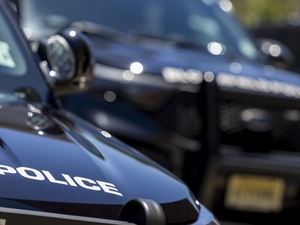
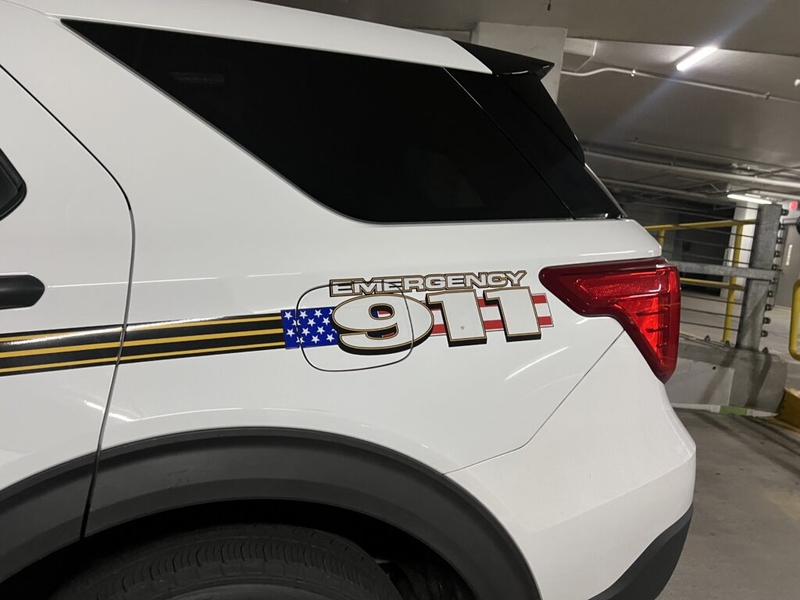
A 911 decal on a Montgomery County, Md., Police Department cruiser. Maryland is among the states that have adopted new laws aimed at supporting first responders’ mental health. (Photo by Amanda Watford/Stateline)
More states this year have looked beyond traditional counseling and medication to help first responders cope with post-traumatic stress.
Firefighters, police officers and emergency medical workers routinely witness fatal crashes, violent crimes and other traumatic events that can leave lasting psychological scars.
“When you are in the fire service, or any first responder industry, or especially in the military, stuff builds up over time, and what happens is you see so many things that the crazy stuff starts to at least seem normal,” said Jason Cerrano, a retired firefighter and paramedic with more than 20 years of experience in Missouri.
When the helpers ‘feel helpless’: First responders get a boost in mental health support
In Ohio, Republican Gov. Mike DeWine earlier this month signed into law a measure that will create a Post-Traumatic Stress Injury Commission to review applications from eligible first responders for assistance to help cover treatment costs.
Maryland took a different approach this year, enacting a law that protects firefighters, emergency medical technicians, paramedics and other rescue workers from employment discrimination over the lawful off-duty use of medical marijuana.
The new law, which goes into effect in October, applies to registered medical cannabis patients who test positive for cannabis metabolites but are not impaired while on duty.
Several other states are exploring emerging therapies.
A new Connecticut law expands a pilot program at Yale University studying psilocybin-assisted therapy by allowing any state resident age 18 or older to participate, provided they meet the clinical eligibility criteria established by Yale University’s institutional review board. The pilot program was previously limited to veterans, retired first responders and frontline health care workers.
Missouri lawmakers advanced a bill allowing veterans and first responders in approved research studies to receive the psychedelics psilocybin and ibogaine under medical supervision for PTSD and other mental health conditions. The legislature adjourned in May before lawmakers could send the bill to the governor.
Stateline reporter Amanda Watford can be reached at [email protected].