The answer to challenging behaviors in kindergarten is support, not separation
Jun 30, 2026 | 1:58 pm ET
Description
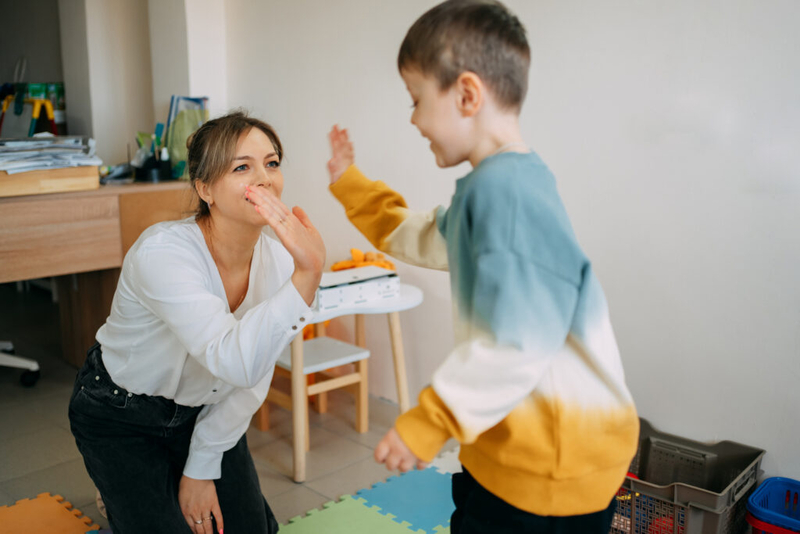
Young children with significant behavioral challenges need extra support before being moved out of classrooms, and teachers need more extensive professional training to provide it.
(Photo: Getty Images)
When I read about a Tennessee school district considering alternative placements for kindergarten students with significant behavioral challenges, my first thought was not, “What is wrong with these children?” It was, “What supports have been provided to these children and the adults teaching them?”
In Tennessee, alternative placements are defined as separate educational settings used when students are removed from their regular classroom because of disciplinary concerns, making them among the most restrictive educational options available. While Tennessee law allows districts to establish alternative education programs for some students, state regulations expressly prohibit assigning pre-kindergarten and kindergarten students to alternative schools or programs.
As a former special education teacher, current assistant professor of special education and president of the Tennessee Council for Exceptional Children, I understand the reality educators face every day. Teachers are being asked to manage increasingly complex student needs while balancing academic expectations, limited resources and growing classroom demands. Many genuinely feel overwhelmed.
Their concerns are real, but our response matters. If our first solution is to create alternative placements for our youngest learners before ensuring schools have exhausted evidence-based interventions, such as positive behavioral interventions and supports, PBIS, functional behavior assessments, individualized behavioral interventions plans, and social emotional learning strategies, we risk creating a system that removes children instead of helping them succeed.
Schools should also ensure that educators have ongoing professional development in evidence-based behavior management, trauma informed practices, and de-escalation strategies so they are equipped to respond timely and effectively to challenging behaviors. Early support should include timely access to professional school counselors, behavior specialists, and school psychologists, collaboration with families, and targeted interventions provided as soon as behavior emerges rather than after they have escalated into a crisis.
Kindergarten is often a child’s first formal school experience. Some children enter having attended high-quality preschool programs, while others have never been in a structured classroom. In Tennessee, where access to preschool is not universal, many children are learning routines, self-regulation, communication skills and social expectations for the very first time. That difference matters.
A kindergartner who has never sat in a classroom for six hours a day, shared materials with twenty peers, or followed multi-step directions from an adult outside their family is still developing skills most of us take for granted by adulthood. For some children, that adjustment looks like quiet uncertainty. For others, it looks like tears, withdrawal/refusal, or outbursts that adults may read as defiance. None of that reflects who a five-year-old is becoming; it reflects where they are starting from.
When discussions about young children’s behavior begin to center on labels like “violent” or “dangerous,” we should pause. Certainly, no teacher or student should be expected to endure ongoing physical aggression, and schools must always maintain safe learning environments.
Safety is not negotiable. At the same time, behavior is communication. Young children who hit, throw objects, scream, or refuse directions are often telling us something they cannot yet express with words. Some may have experienced trauma. Others may have developmental delays, communication challenges or disabilities that have not yet been identified. Still others simply need explicit instruction in emotional regulation and appropriate social behaviors. If we focus only on the behavior, we may miss the reason behind it.
No teacher should be expected to endure physical aggression, we should also be careful not to define young children primarily by labels such as “violent” or “dangerous.” A kindergartner who has never sat in a classroom for six hours a day is still developing skills most of us take for granted by adulthood
Federal law guarantees every child the right to a Free Appropriate Public Education (FAPE). That responsibility includes identifying students who may have disabilities and providing appropriate interventions before assuming removal from the general education environment is the answer. This is especially important because many disabilities are first recognized during the early elementary years. The question should not simply be, “Where do we place this child?” The question should also be, “What have we done to support this child and the educators working with them?”
The TN Firefly recently reported that Rutherford County Schools Director James Sullivan said there had been instances in which kindergarten students became violent toward educators. While no teacher should be expected to endure physical aggression, we should also be careful not to define young children primarily by labels such as “violent” or “dangerous.” Elementary educators reportedly shared that they feel unprepared to manage increasing behavioral challenges. I believe them. Across Tennessee, teachers consistently report wanting more training in classroom behavior management, de-escalation strategies, trauma-informed practices and supporting students with diverse learning needs. These are not shortcomings on the part of educators. They are opportunities for school systems and state leaders to invest in the people who spend every day with our children.
Professional development should not be an afterthought. Teachers deserve ongoing coaching in positive behavior supports, classroom management and multi-tiered systems of support. School staff should have access to behavior specialists, instructional coaches, school psychologists, counselors and collaborative teams that help identify concerns early instead of waiting until behaviors become crises. This kind of investment can not be a single workshop or checkbox on a compliance form, and I recognize the resources and supports vary widely from one Tennessee district to the next.
Likewise, students deserve timely interventions before more restrictive placements are considered. In practice, that can mean removing a child from the general education classroom for part or all of the school day, or for older students, assigning them to an alternative education program. While these options may be appropriate in some situations, they should be considered only after schools have provided meaningful supports designed to help children succeed in their current learning environment. This is not simply about compliance. It is about opportunity. Research has consistently shown that early intervention changes trajectories. When children receive behavioral supports early, they are more likely to remain engaged in school, develop healthy relationships, and experience long-term academic success.
The opposite is also true. When exclusion becomes the primary response to challenging behavior, students often become disconnected from school at increasingly younger ages. Over time, repeated exclusion can contribute to poor academic outcomes, increased disciplinary actions and long-term disengagement from education. That is a pathway none of us should want for Tennessee’s children. This conversation is bigger than one district. School leaders across our state are grappling with similar challenges. Families are searching for answers. Teachers are asking for help. Everyone wants safe classrooms where students and educators can thrive.
Those goals are not in conflict. We can support teachers while also protecting children’s rights. We can hold students accountable while also recognizing that five-year-olds are still learning how to regulate emotions and navigate social situations. We can prioritize school safety while ensuring that removal is truly a last resort rather than the first solution considered.
As Tennessee continues discussing how best to support students with significant behavioral needs, I hope we begin with one simple question: Have we fully invested in prevention before expanding exclusion? Because if we train educators, strengthen early intervention systems, provide meaningful behavioral supports and identify students’ needs as early as possible, we give more children the opportunity to succeed where they belong, in school, with the support they need to learn alongside their peers.
Our youngest learners deserve nothing less.
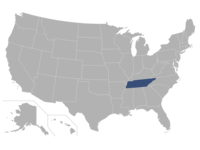
Nashville, TN