Do the unheard-of thing: As America celebrates 250, our light is kept burning by those who act
Jun 30, 2026 | 6:00 am ET
Description
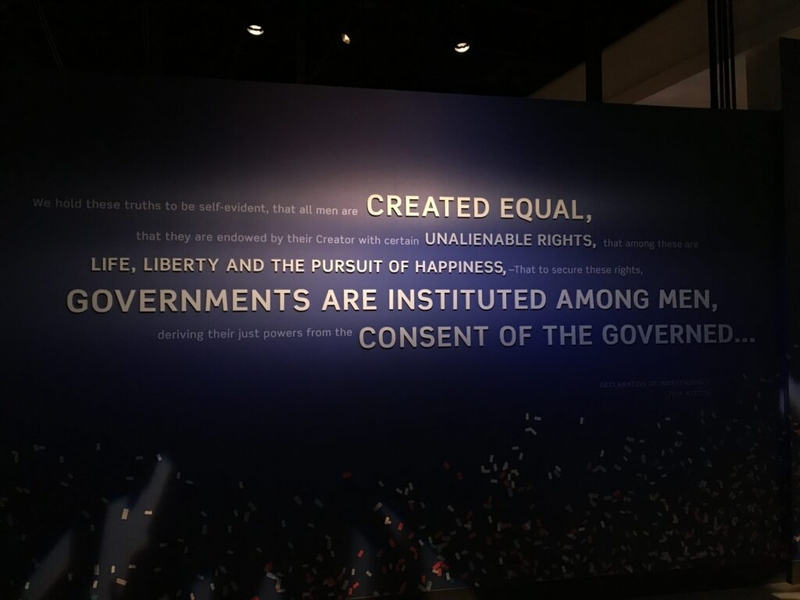
A passage from the Declaration of Independence is seen on display at the National Museum of American History in Washington, D.C. on May 8, 2018. (Photo by Andrew DeMillo/Arkansas Advocate)
On Saturday, the United States of America turns 250. We picture a nation’s founding as a moment in time: a room of important-looking men, a sheet of parchment, a fancy pen. But most of what holds our country together was never signed into being. It was built by hand, year after year, by people willing to do what no one else had stepped up to do. One of these builders began in a borrowed shed in Idaho.
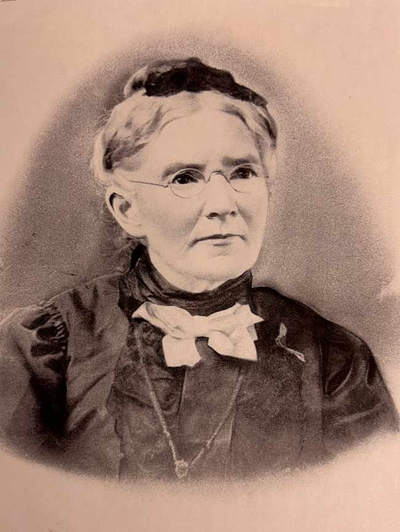
In June 1882, Rebecca Brown Mitchell stepped off the train in Eagle Rock — the rough railroad town that would become Idaho Falls — with her teenage daughter and little more than the clothes they wore. A stranger let them sleep in his shed. They stood a candle in an empty bottle, spread a blanket on the dirt floor, and slept.
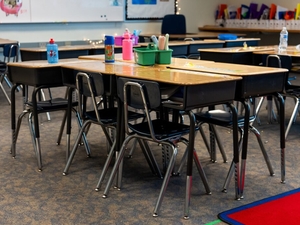
The next morning, Rebecca went to every door in town. Not to ask for anything, but to invite the children to school. She had no schoolhouse and nothing to teach from, and she started anyway. To her, a child kept from learning was not a hardship to accept. It was a problem that could not wait.
The shed where she slept became the schoolroom where she taught — wooden boxes for desks, the town’s first classroom. Over time, Rebecca gathered a small shelf of books and lent them out, one reader at a time. A church came the same way: a congregation gathered in an abandoned saloon, and within two years a chapel rose, constructed with money she raised.
Rebecca Brown Mitchell built for others what no one had built for her. Widowed as a young woman, she had watched the law hand everything she and her husband owned to the state the moment he died — the house, the furniture, all of it — because a married woman could own nothing in her own name.
She had to buy her own belongings back from the state. The law let her keep only her Bible and her hymnal. Rebecca knew the cost of being voiceless because she had paid it.
So she set out to win women a voice in the laws that had taken everything from her. She believed the women of Idaho should vote, and she carried that conviction into towns barely on the map. She spent a winter in Boise, pressing the question on the Legislature until it reached the people themselves.
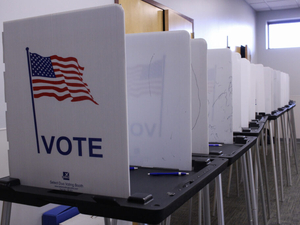
Rebecca inspired a groundswell and built public support. In 1896, Idaho became the fourth state in the nation to grant women the vote — 24 years before the rest of the country caught up.
Next, Rebecca set her sights on becoming the Idaho Legislature’s chaplain. When she first asked, the men told her they had never heard of such a thing. “Why not Idaho do the unheard-of thing,” she answered, “and set the example for other States?” They turned her down. She returned the next session, wrote to every legislator to make her case, and won the post by unanimous vote — chaplain to a state legislature, a position no woman anywhere in the world had ever held.
She accomplished this the way she did everything: not by asking what she was owed, but by imagining what she could do.
A nation is not only signed into being. It is made and remade in the plainest places — a shed, a neighborhood, a statehouse.
At 250, it is tempting to treat our country as a finished inheritance, something to defend or argue over, rather than something still being built. Rebecca built. A knock on the door. A book handed to a neighbor. An invitation. Anyone could have done it. No one in Eagle Rock had — until she did.
More than a century ago, Rebecca Brown Mitchell lit a candle in a bottle on a dirt floor. The light is still on, in rooms across Idaho and throughout the country, kept burning by each person who decides to act. Rebecca made her corner of the country better, one unheard-of thing at a time. So can you. Mark this milestone: find the thing no one around you has done yet, and do it. Then leave the light on for those who come next.
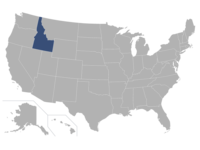
Boise, ID