Kotek approves first request to return civil jurisdiction to an Oregon tribe
Jun 10, 2026 | 9:00 am ET
Description
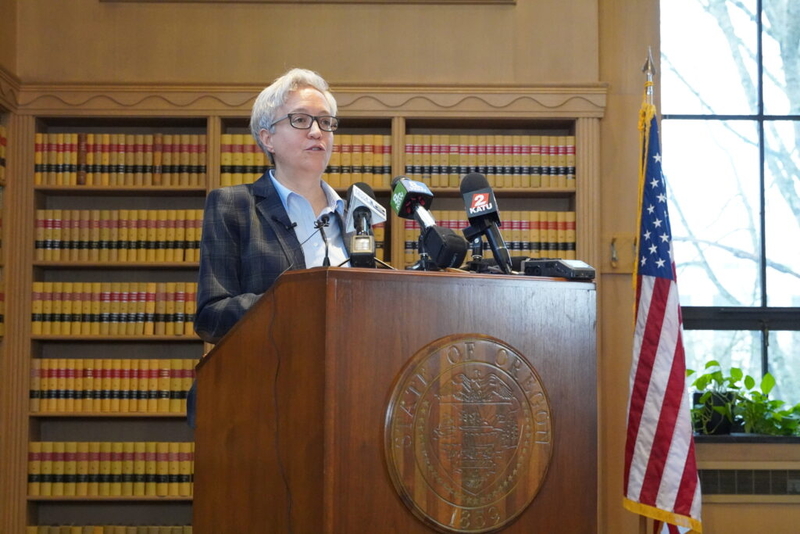
Gov. Tina Kotek talks to reporters on Wednesday, Jan. 31, 2024, at an event to preview the legislative session. The governor and lawmakers plan to prioritize the state's homelessness and drug addiction crises during the 2024 session. (Ben Botkin/Oregon Capital Chronicle)
The Confederated Tribes of the Umatilla Indian Reservation is on track to regain control over civil legal matters on its tribal land.
Gov. Tina Kotek in late May signed a proclamation to return civil jurisdiction to the Tribes, aiming to undo a 73-year federal law that took away federal legal resources from most tribes located in Oregon without their consent. The U.S. Department of the Interior still has to approve the request.
“The state, under Gov. Tina Kotek, is retroceding civil jurisdiction back to the (Confederated Tribes of the Umatilla Indian Reservation), and we are extremely happy that it has come to fruition,” said tribal board of trustees chair N. Kathryn Brigham.
The U.S. Congress in 1953 passed a law withdrawing federal criminal jurisdiction on reservations in six states, including in Oregon, and authorizing those states to assume most criminal and civil jurisdiction over most tribal lands. The law was a part of a greater federal effort to shrink resources for the Bureau of Indian Affairs and assimilate Native Americans by moving them to cities, academics say.
The Warm Springs Indian Reservation was excluded in this law.
On the criminal side, it authorized state law enforcement to operate on tribal lands and prosecute crimes involving tribal members in state courts. And on the civil side, it gave state courts the power to hear private civil disputes, such as divorces, child custody cases and personal injury claims, happening within Indian Country. The law didn’t give states the power to regulate tribal life.
The law was amended in 1968 to allow a state to return jurisdiction to the federal government through retrocession, and in the ’70s and ’80s, the state retroceded its criminal jurisdiction over the Confederated Tribes of the Umatilla Indian Reservation and the Burns-Paiute Tribes.
Four decades later, Oregon lawmakers in 2025 unanimously passed Senate Bill 1011, a law creating a process for federally-recognized tribes in Oregon to request that the governor return legal jurisdiction to the tribes.
The proclamation represents reconciliation and affirms the sovereign status of tribal nations, Gov. Tina Kotek said in a statement.
“This action restores the Tribe’s independent power to administer justice,” Kotek said. “Moving forward, the Confederated Tribes of the Umatilla Indian Reservation, and all sovereign tribes utilizing this path, can continue to determine their destinies on their own terms.”
The Confederated Tribes of the Umatilla Indian Reservation is the first tribe in Oregon to request that the governor retrocede civil jurisdiction of tribal matters. The governor has not received additional retrocession requests from the seven other federally-recognized tribes that the law applies to in Oregon, according to a spokesperson for Kotek’s office.
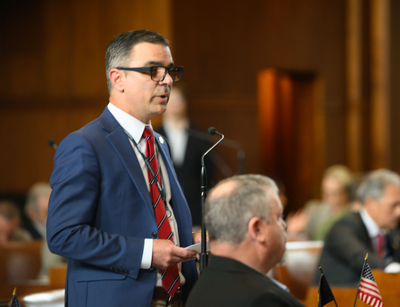
“This action by Governor Kotek reflects the state of Oregon’s firm commitment to tribal sovereignty,” said state Sen. Anthony Broadman, a Bend Democrat and the chief sponsor of Senate Bill 1011. “Strengthening tribal jurisdiction improves access to justice, public safety and our governmental ties with Oregon’s nine federally recognized tribal nations.”
Salem, OR