Oklahoma to extend state services to eligible foster care youth until age 21
Jun 05, 2026 | 11:00 am ET
Description
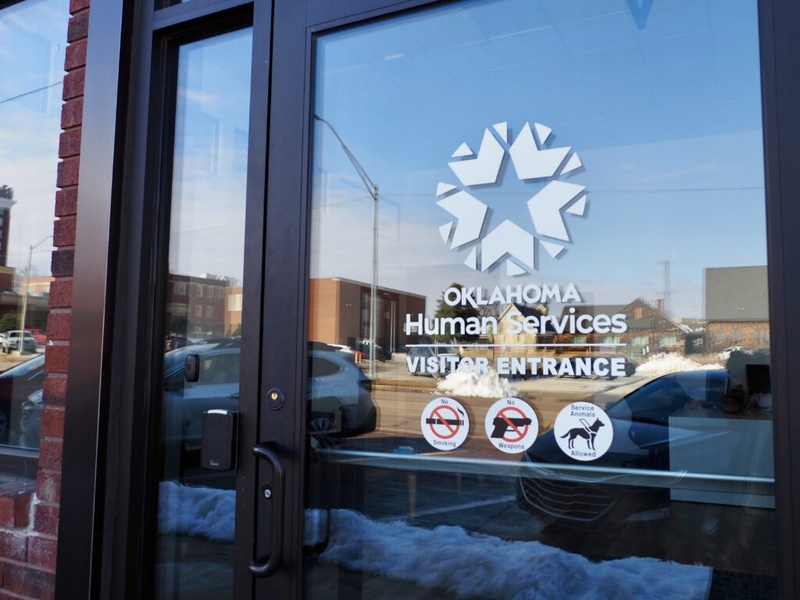
An office for the Oklahoma Department of Human Services is pictured in Muskogee on Jan. 30, 2026. (Photo by Emma Murphy/Oklahoma Voice)
OKLAHOMA CITY — Young adults in the Oklahoma foster care system can soon apply to retain services past their 18th birthday, under a new state law.
The voluntary program state legislators unanimously passed this session will allow eligible individuals in the foster care program to receive stipend payments, Medicaid coverage, continued support from a caseworker or other resources until they are 21.
Foster care children may not be prepared to find stable employment or housing when they lose access to services at 18, advocates say. The program is designed to ease the transition into adulthood.
“This law helps provide stability during a critical period in their lives and gives them a stronger foundation for long-term success,” said state Senate President Pro Tem Lonnie Paxton, R-Tuttle, who wrote the bill.
To access these services, the individual must be in the foster care system before turning 18 and enrolled in secondary, postsecondary or vocational education, working over 80 hours per month or participating in a workforce development program.
According to a study from the policy research center Chapin Hall, each year a young adult spends in an extended foster care program increases his or her likelihood of attaining a high school diploma and enrolling in college. The additional time also significantly decreases the risk of food insecurity and homelessness, the study found.
“Far too many foster youth do not enter the adult stage in life truly prepared for how to handle all the situations they will face,” said Joe Dorman, Oklahoma Institute for Child Advocacy CEO. “By having this program in place where the youth will go through some type of education or workforce training program and have the additional support services available, it’s going to be a big win for the state and for those youth.”
Rather than placing the youth in a foster home or shelter, the new “Pathways to Launch” program will offer more housing options for eligible young people, said Jennifer Boyer, Oklahoma Successful Adulthood Program administrator. The program is administered by the Oklahoma Department of Human Services.
The program offers eligible youth financial support as they work toward independent living, Boyer said.
“We want to make sure that they’re housed and that they have options,” she said. “We want to make sure that they’re living in the places that they want to live and the communities where they want to reside. We don’t want this to look like typical foster care.”
About 6,000 children are in the state’s foster care system, according to DHS. Boyer said around 200 people age out of foster care services each year. She expects about 75% of those individuals to use the extended services. About 150 people are expected to participate in its first year.
Individuals in the foster care program who were adopted or achieved legal permanency at 16 or older but do not receive care from their parent or legal guardian can also qualify for the extended services. Individuals who cannot enroll in an education or work program because of a medical condition are eligible for the program, as well.
The new program also allows individuals who age out of the foster care program after the program’s start date of July 1 to opt back into services if they are under 21.
This will be “transformational,” says Jennifer Goodrich, the president and CEO Pivot, a youth nonprofit.
“What we find a lot is at the age of 18, they think they are ready and so they go out into the world and then they quickly find that they’re not ready, and this will give the opportunity for them to reach back out to DHS and still be eligible for those services and those supports until the age of 21,” Goodrich said.
Oklahoma’s extension follows a nationwide trend of offering foster support services past the age of 18. As of last July, 36 states provide services for individuals in the foster system as they enter early adulthood using federal money, with others using state funds to offer the support.
The state Legislature allocated $5 million for the program. DHS expects to receive additional federal funding for the services, bringing the total cost to about $6 million this fiscal year, a spokesperson for the department said.
Britany Binkowski, director of the child welfare nonprofit New Allies, advised DHS about how extended foster care has been implemented nationally. She said the state is “really well prepared” to succeed with the program.
“Oklahoma has been diligent in their efforts to learn from those who have gone before them and to avoid early mistakes that others might have made,” Binkowski said. “So I think Oklahoma is well poised for this to be a very smooth implementation and for it to really service its population best.”
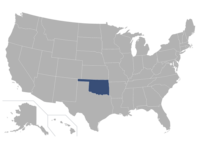
Oklahoma City, OK