Oklahoma farmers eyeing deadly livestock pest following Texas infection
Jun 05, 2026 | 1:00 pm ET
Description
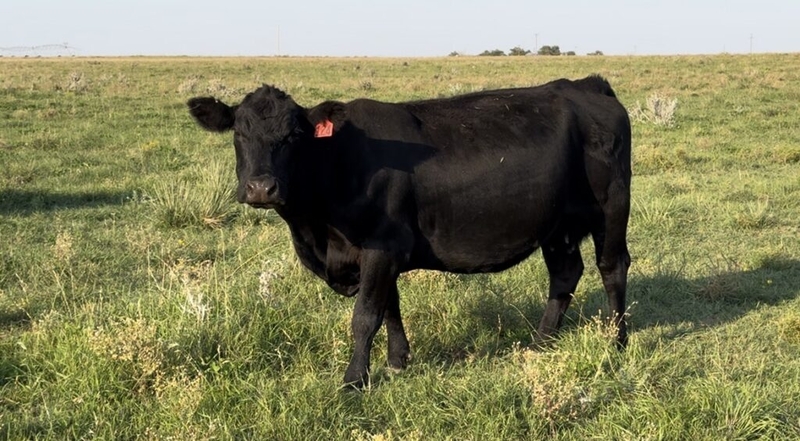
A cow grazes a field in western Oklahoma. (Photo courtesy of Casey Murdock)
OKLAHOMA CITY — A recent confirmed case of a deadly livestock pest in Texas has Oklahoma farmers and ranchers monitoring their animals.
The Oklahoma Department of Agriculture, Food and Forestry is working to protect livestock from a pest that had been eradicated decades ago from the U.S.
The U.S. Department of Agriculture on Wednesday confirmed a case of New World Screwworm in Texas. The invasive pest’s larvae infect wounds in warm-blooded animals, like cows, deer and some pets.
As of Friday morning, there had not been a confirmed case in Oklahoma.
The species rarely infects humans and does not harm the quality or safety of food. Instead, it infects animals and quickly kills them if not treated. This can lead to a decrease in cattle and other livestock, causing a meat shortage and increased prices.
If the species infects Oklahoma livestock, it could burden the already dwindling cattle population and raise beef prices even more. The U.S. cattle population is at a 75-year low, according to USDA numbers from January.
The national shortage of beef could possibly lead to additional shortages if Oklahoman cattle are infected, said Sen. Casey Murdock, R-Felt.
Gary Jones, the former Oklahoma state auditor and chair of the state’s Republican Party, has a farm southwest of Lawton. He said an exacerbated cattle shortage from screwworm could raise beef prices.
A national outbreak could cost $1.8 billion, according to USDA estimates. In Oklahoma, Murdock estimates it could cost just over $450 per animal to treat screwworm cases.
Murdock, the chair of the Senate Agriculture and Wildlife Committee, said Oklahoma has been working with other states in the region to prepare a plan in case of infection.
The USDA had eradicated the insect from the U.S. in the 1960s using a “sterile insect technique.” The department released sterile flies that interrupted the species’ reproduction.
USDA and Texas officials have been releasing 4 million sterile flies per week, and following Wednesday’s case, will release additional flies, establish a quarantine zone and increase screwworm surveillance in the infected area.
Michael Kelsey, the executive vice president of the Oklahoma Cattlemen’s Association, said cattle farmers today are more prepared to prevent and treat screwworm cases than the last time it infected U.S. animals.
“NWS (New World Screwworm) is a serious animal health concern. However, Oklahoma cattle producers are vigilant and committed to their livestock’s health and will work to ensure their cattle are healthy and safe,” Kelsey said. “Couple this with a robust and aggressive response plan with our government partners at USDA and ODAFF (Oklahoma Department of Agriculture and Forestry) and our industry can respond effectively and efficiently.”
Jones began farming in 1978, years after the USDA eradicated the screwworm. He is hopeful officials should be able to contain the insect to Texas.
For an animal entering Oklahoma from an infested state, but not an infested zone, the Department of Agriculture, Food and Forestry will require a statement from a veterinarian indicating that the animals did not come from or through the infested area.
Animals traveling to Oklahoma from an infested zone will need to meet that state’s movement requirements, have a permit from the Oklahoma State Veterinarian’s office and have a vet statement reading, “All animals listed were individually inspected and found free of wounds.”
Oklahoma’s state agriculture department advises animal and livestock owners to frequently inspect the animal, including any wounds, and report suspected cases to a veterinarian.
Murdock echoed this advice, noting the potential cost of an infection, and emphasized Oklahomans should remain vigilant about pest detection in all animals.
An infection could be very costly, Murdock said.
“But it’s not just cattle production. It’s barrel racers, its rodeo horses, it’s kids showing cattle. And then if it gets in our pet population, that’s going to be horrible,” Murdock said, who has hundreds of cattle himself. “We need to stop it.”
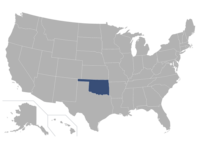
Oklahoma City, OK