Federal judges, Trump administration agree on new US attorney for NJ
Mar 23, 2026 | 2:26 pm ET
Description
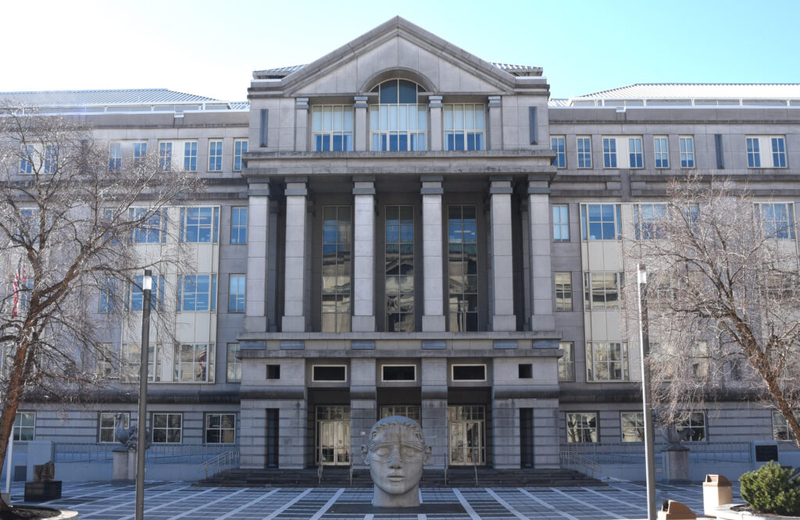
New Jersey's federal judges appointed career prosecutor Robert Frazer to lead the U.S. Attorney's Office for the District of New Jersey after previous heads were found to be unlawfully installed. (Photo by Fran Baltzer/New Jersey Monitor)
U.S. District Court of New Jersey judges appointed a new U.S. attorney Monday, ending a monthslong standoff that threatened to upend federal criminal prosecutions in the state after four interim appointees were found to be unlawfully installed.
The judges’ appointment of Robert Frazer, a longtime prosecutor who most recently served as senior trial counsel in the office’s organized crime and gangs unit, comes two weeks after a judge disqualified the three people the Trump administration picked in December to lead the office.
Frazer’s appointment, because it is backed by the district’s judges and the Trump administration, signals an end to an eight-month fight over control of the U.S. Attorney’s Office.
NJ, Roxbury sue Trump administration to halt new ICE facility
“New Jersey deserves a great chief federal law enforcement official who is in line with President Trump’s agenda of making this country safe and NJ great! I know Rob well and he will be a great champion of this state and mission of the @TheJusticeDept,” Alina Habba, who briefly served as U.S. attorney last year before she herself was disqualified from serving, wrote on social media Monday.
Leadership of the U.S. Attorney’s Office has been in disarray since July, when Habba’s interim appointment as U.S. attorney ended without her winning U.S. Senate confirmation. That triggered statutes that call for the district’s judges to appoint a successor.
The judges initially selected first assistant U.S. attorney Desiree Grace to replace Habba, but Trump immediately fired Grace and purported to reappoint Habba to the role.
U.S. District Judge Matthew Brann in August found Habba had “no legal authority” to preside over the office because the Trump administration ignored federal statutes that govern U.S. attorney appointments, a ruling upheld by a federal appeals court in December. Habba subsequently resigned as U.S. attorney but remains a top U.S. Department of Justice official.
The Trump administration then installed a trio made up of Jordan Fox, Ari Fontecchio, and Philip Lamparello to lead the office, but Brann ruled earlier this month that they, too, are disqualified because their appointment was another attempt to circumvent senatorial advise and consent.
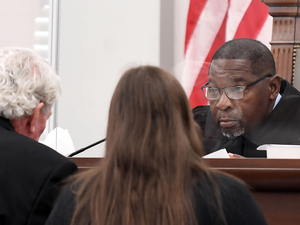
The standoff led to some testy moments in New Jersey’s federal courtrooms. Last week, a federal judge threw Mark Coyne, who heads the appeals section of the U.S. Attorney’s office, out of his courtroom after the judge questioned whether Habba still oversees the office.
The challenges to Habba and the trio’s authority were brought by individual defendants in the District of New Jersey who charged illegally appointed prosecutors could not lodge cases against them.
The claims threatened to undermine a broad array of criminal prosecutions in New Jersey, though judges signaled cases could be allowed to continue without leadership installed. Attorneys for the government on Monday argued those prosecutions could now continue.
“Mr. Frazer’s appointment as United States Attorney should remove any doubt whether the Office’s Assistant and Special Assistant U.S. Attorneys can continue ‘doing their important work,’” the government said in a letter signed by Frazer and Coyne.
Habba failed to win U.S. Senate confirmation in part because she did not have the support of New Jersey’s two senators, Democrats Cory Booker and Andy Kim. On Monday, the two said they both support Frazer.
“The people of New Jersey deserve a U.S. Attorney’s Office focused on keeping them safe, not one mired in constitutional crisis because the Administration refused to follow the rule of law. The Office can now at long last move past the chaos and partisanship of the past year and return to its critical mission: combating violent crime, fighting public corruption, dismantling drug trafficking networks, and protecting the rights of all New Jerseyans,” they said in a joint statement.
The saga over who can lead the U.S. Attorney’s Office has played out amid broader conflict between the administration and federal courts in New Jersey and nationwide.
Judges have grown frustrated with federal prosecutors they increasingly view as untrustworthy over dozens of court order violations and procedural flaps.
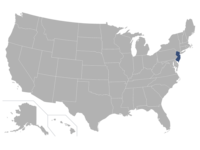
Trenton, NJ