Amid growing concern over PFAS contamination, Maine lawmakers back plan to test and treat wells
Mar 06, 2026 | 5:36 am ET

Description
Per and polyfluorinated alkyl substances, or PFAS, are chemicals that linger in the body and are linked to health issues like cancer, obesity, liver damage, decreased fertility, thyroid disease, high cholesterol and hormone suppression. (Photo Illustration by Justin Sullivan/Getty Images)
Maine lawmakers backed a plan to fund the testing and clean up of private wells contaminated with toxic forever chemicals, which have threatened drinking water through spills, the spreading of tainted sewage sludge and other applications.
LD 2115 seeks to establish the Well Contamination Response Fund for private drinking water wells impacted by perfluoroalkyl and polyfluoroalkyl substances, otherwise known as PFAS. The legislation passed both chambers with bipartisan votes, though still faces enactment votes and must vie for funding.
The bill was part of a slate of legislation introduced after about 1,500 gallons of PFAS-laden firefighting foam was unintentionally discharged in a Brunswick airplane hangar in August 2023.
With an initial investment of $1 million from the state’s general fund, the response fund would be used for testing, remediation, and the installation and maintenance of filter treatment systems.
During the House of Representatives debate last week, Rep. Richard Campbell, a Republican from Orrington, said that while he wanted to support the clean up in Brunswick, he critiqued the bill as being too broad and objected to the annual funding requirement.
“I think it should be refined, amended and narrowed to support those good people in Brunswick,” Campbell said.
But the issue of possible well contamination extends beyond that spill. Households located near places where products or byproducts with high levels of PFAS have historically been used — such as current and former military bases, firefighting training sites, and farms that used sewage sludge as fertilizer — have long faced that threat. Exposure to PFAS chemicals are associated with lower birth weights, reduced effectiveness of vaccines, bone irregularities, higher cholesterol and multiple types of cancer.
“This fund is a key step in protecting and restoring public health and peace of mind in every corner of the state,” bill sponsor Rep. Dan Ankeles (D-Brunswick) said during the public hearing on the measure.
Ultimately, the bill passed the House without a roll call and on Thursday it won the support of the Senate by a vote of 22-11. But given the proposal’s price tag, LD 2115 will need to be funded either through the supplemental budget or the budget committee’s discretionary pot in order to take effect.
Maine has the highest percentage of private well users in the nation, with over 38% of the population using a domestic well, according to the U.S. Geological Survey.
The legislation would build off several bills passed last session, including one that codified programs that support affected farms to ensure the assistance for farmers and remediation can continue. Another helps mitigate forever chemicals from landfill leachate entering groundwater and surface waters. Also, a pending law initially held by Gov. Janet Mills establishes a voluntary, statewide takeback program for firefighting foam containing PFAS.
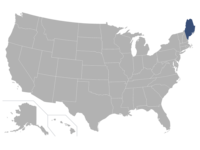
Augusta, ME