Focus groups highlight gaps in Arkansas’ family and medical leave policies
Oct 29, 2026 | 5:47 pm ET

Description
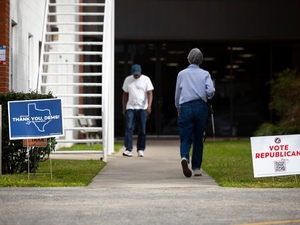
(Photo by Brandon Bell/Getty Images)
A study of five focus groups found insufficient paid family and medical leave policies in Arkansas workplaces, according to a nonprofit organization’s report published Thursday.
The 35 Arkansans who participated in the focus groups conducted by Arkansas Advocates for Children and Families agreed that paid leave policies exist on paper but are difficult to access in practice.
Many participants said they encountered “confusing deadlines, paperwork requirements and institutional barriers” in their workplaces. Their ability to take time off work to care for themselves and others had profound impacts on their mental health, according to the report.
Arkansas does not have a statewide paid family and medical leave requirement, and the report urges lawmakers to make it a priority in the legislative session that starts in January.
More GOP states embrace paid parental leave for teachers, public employees
Nationally, only about 1 in 4 employed Americans receive paid family and medical leave.
The District of Columbia and several Democrat-led states have paid family and medical leave policies, covering about one-third of the nation’s private-sector workers as of this year.
Arkansas is among several Republican-led states that have adopted paid leave policies for state and public school employees. Since 2023, Arkansas has required 12 weeks of paid maternity leave for state workers, and a 2025 law extended this policy to public school employees. Both laws exclusively cover new mothers.
The report recommends that Arkansas create policies covering not only new fathers but also adoptive and foster parents.
Two of the report’s five focus groups were exclusive to teachers and nurses. Both said they regularly delayed medical care, used up all their paid time off or returned to work before recovering from illness or childbirth.
“The nurses repeatedly argued that paid leave is not just good for workers and families; it is necessary for patient outcomes and the stability of Arkansas’s healthcare workforce,” the report states.
The other three focus groups included residents of Fayetteville, Texarkana and Helena-West Helena.
All five groups agreed that paid leave is “an equity issue” that generates “enhanced recruitment, deeper morale, higher workforce participation, reduced employer costs, and greater productivity,” according to the report.
Little Rock and Fayetteville both instituted paid parental leave for city employees earlier this year, with costs covered by existing city budgets instead of tax increases.
The report recommends that state policymakers account for rural Arkansans’ long drives to healthcare providers and the resulting need to take more time off work to receive care.
Arkansas hospitals have been scaling back services due to low reimbursement rates from Medicaid and from private insurers.
Starting Jan. 1, the One Big Beautiful Bill Act of 2025’s sweeping budget overhaul is expected to cut rural Medicaid spending by $15.5 billion per year for the next decade. In mostly rural Arkansas, more than 800,000 low-income or disabled residents rely on Medicaid.
Little Rock