Abortion pill lawsuit draws briefs from domestic violence groups, telehealth providers and AGs
Feb 23, 2026 | 6:08 pm ET
Description
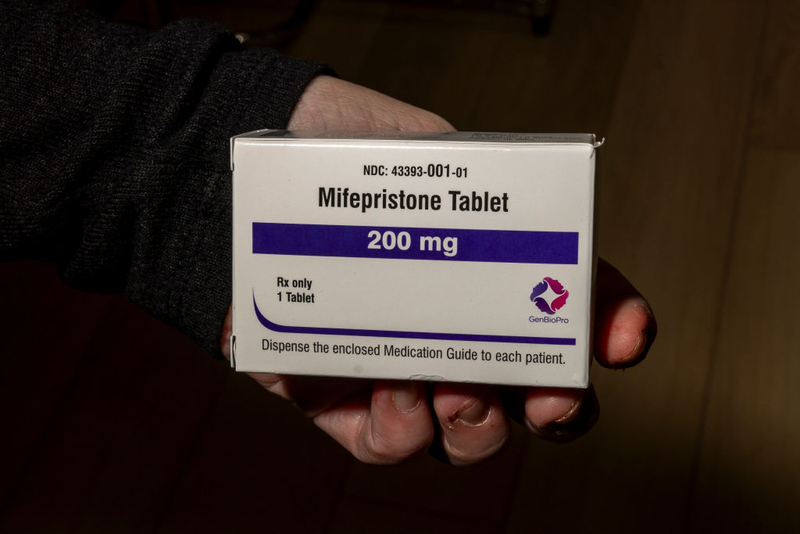
Officials in Louisiana and a woman who said she was coerced to take abortion pills are suing the Food and Drug Administration to stop mifepristone from being prescribed remotely. States’ attorneys general, telehealth abortion services and groups that help survivors of intimate partner violence have taken interest in the case, which could further restrict access to abortion care. (Photo by Natalie Behring/Getty Images)
Domestic violence awareness groups, telehealth organizations and nearly two dozen Democratic attorneys general filed briefs Monday in a lawsuit that could curb medication abortion access nationwide.
Louisiana Attorney General Liz Murrill and a woman who said her ex-boyfriend pressured her into taking abortion pills filed a lawsuit in October against federal health officials and asked the court to reverse a Food and Drug Administration regulatory change that allows the drug mifepristone to be prescribed through telehealth.
Coercion — when an abusive partner controls a victim’s reproductive health care — has come up in the plaintiffs’ arguments for reinforcing an in-person dispensation requirement for the drug.
The National Domestic Violence Hotline and Legal Voice, organizations that help victims of intimate partner violence, filed a brief in the case saying the people the organization serves need access to reproductive health care, including abortion.
The organizations agree that reproductive coercion can take many forms — getting rid of a partner’s birth control, pressuring someone to get pregnant or making them get an abortion. But the advocates said limiting access to medication abortion won’t help.
“Restricting access to mifepristone will cause irreparable harm to the many Americans who face IPV (intimate partner violence), need abortions to protect their own health and safety, and face unique barriers to access this time-sensitive care because of the nature of abusive relationships,” the brief states.
U.S. District Judge David Joseph, who was appointed by President Donald Trump during his first term, will hear arguments Tuesday about the plaintiffs’ request for a preliminary injunction on a rule that allows mifepristone to be prescribed without an in-person doctor’s visit. The in-person dispensing requirement for mifepristone was changed in 2023 by President Joe Biden’s administration.
“Limiting access to mifepristone by staying or vacating the Food and Drug Administration’s 2023 Risk Evaluation and Mitigation Strategy would harm survivors and reduce their safety and autonomy,” lawyers for the domestic violence groups wrote.
The Trump administration asked the judge in January to pause the case until the FDA wraps up its review of the abortion drug, Louisiana Illuminator reported. Some abortion opponents argue the request for a delay is meant to push a potentially unpopular decision until after the November midterm elections.
Drugmakers that produce the brand name and generic versions of mifepristone are seeking to intervene in the case and asking the judge to dismiss the lawsuit entirely.
A group of Democratic attorneys general and telehealth abortion nonprofits also filed briefs in the case Monday backing the defendants.
“The regulatory removal of unnecessary restrictions on mifepristone, including the in-person dispensing requirement, has proven crucial … in improving abortion access for their residents, particularly in low-income, underserved, and rural communities, which experience higher rates of birth-related mortality and morbidity, and where access to health care is generally far more limited,” New York Attorney General Letitia James and 19 other state attorneys general wrote.
Providers also prescribe the medications for miscarriage care, the AGs wrote, so impeding availability could affect pregnancy loss treatment via telemedicine, too.
Requiring providers to dispense mifepristone in-person could also strain the capacity of abortion clinics, increase costs for patients and may lead more people to self-manage their abortions, the attorneys general argued. They concluded that Louisiana’s request should be dismissed entirely or stayed until the FDA completes its ongoing review.
A brief filed by Hey Jane and Abortion on Demand, telehealth-only abortion providers, and Reproductive Health Initiative for Telehealth Equity and Solutions, a research group, focuses on the experiences of patients who have ordered abortion pills online and received care remotely.
The telehealth abortion services note that their patients receive “attentive and individualized” support from health care professionals, and said their patients attest that their care is quality, timely, accessible and affordable.
“By expanding patients’ available options and reducing economic obstacles, telehealth helps to ensure that access to abortion is not contingent upon an individual’s income level, insurance coverage, or ability to bear unexpected, substantial expenses,” the brief states.
Louisiana mifepristone lawsuit could hinder telehealth abortion nationwide
A ruling in favor of Louisiana would “undermine patients’ ability to obtain timely, necessary care” and would affect marginalized communities’ access to abortion the most.
Republican officials and national groups that oppose abortion also submitted briefs in the case earlier this month, encouraging Judge Joseph to curtail telehealth abortion access.
GOP attorneys general from 21 states argued that Louisiana has a right to challenge the 2023 Risk and Evaluation Mitigation Strategy for mifepristone.
“Even though States — like Nebraska — require a prescribing doctor to be physically present, doctors in California and New York can now prescribe mifepristone through telehealth under the 2023 REMS, and they are doing so without fear of consequences for breaking other States’ laws,” the AGs wrote in a Feb. 18 court filing.
Prosecutors in Louisiana and Texas have pursued physicians elsewhere, accusing them of mailing abortion medication into their states where abortion is mostly illegal. But prescribing doctors in California, New York and other states are protected by shield laws that prevent governors and law enforcement from accepting extradition requests or participating in interstate investigations into reproductive health care.
The Republican AGs said these laws are a “direct affront” to their states’ sovereign interests. Most of the officials who signed onto the brief represent states with strict abortion bans
Sixty Republican members of Congress, led by Louisiana Sen. Bill Cassidy, contend women cannot be thoroughly screened for abortion via telehealth and say the FDA is “endangering women’s health and safety” without the in-person requirement.
The senior Louisiana senator held a congressional hearing on mifepristone in January and expressed frustration that the Trump administration has not yet moved to restrict access to abortion medication.
“At an absolute minimum, the previous in-person safeguards should be restored and it should be done immediately,” Cassidy said.
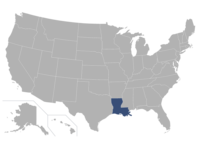
Baton Rouge, LA