As Michiganders feel the squeeze on energy, Senate Democrats seek to legalize virtual power plants
Feb 19, 2026 | 4:08 pm ET
Description
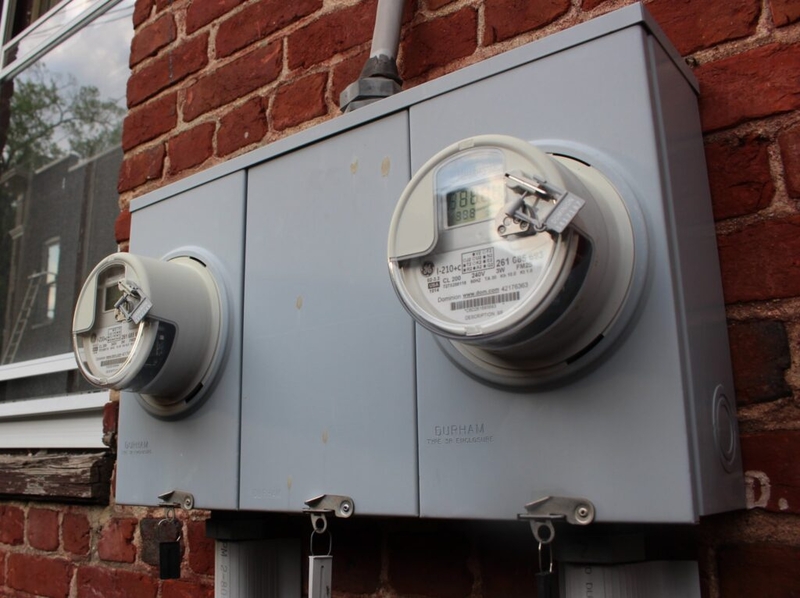
Electric meters. | Sarah Vogelsong/States Newsroom
While energy costs and reliability remain a top concern for residents throughout the state, a pair of Ann Arbor-area senators sat before the Senate Energy and Environment community encouraging their colleagues to establish a legal framework for virtual power plants.
Sen. Sue Shink (D-Northfield Township) and Jeff Irwin (D-Ann Arbor) introduced Senate Bills 731 and 732 in December. If passed, the policies would prompt energy regulators to create a program where virtual power plant aggregators and the owners of connected energy resources to be compensated for the benefits they provide to the energy grid.
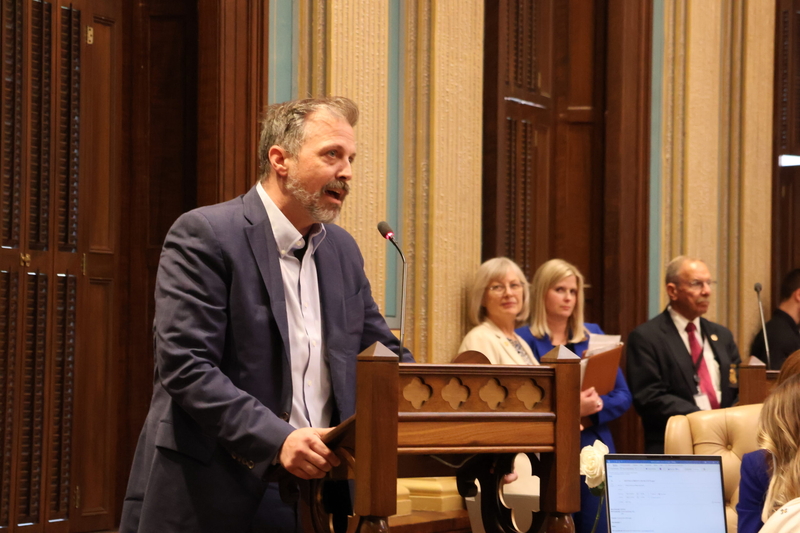
These power plants are made up of voluntary networks of energy resources, Sen. Jeff Irwin (D-Ann Arbor) explained to the committee. This could look like a network of solar panels in a neighborhood to supply energy to the energy grid during times of high demand, or a large group of individuals with smart thermostats to agree to have the temperature in their homes lowered by a few degrees.
“A lot of folks are installing batteries in our homes now and those batteries can be filled when energy demand is low, and then discharge and energy demand is high, that can do a lot to bring down our bills,” Irwin said. “And these customers who participate in this can also get paid themselves as a part of voluntarily agreeing to allow their thermostat or their own battery to be deployed in this way.”
Energy utilities need to manage their energy load and capacity on a second by second basis, and having access to these resources can provide both reliability and price benefits, Irwin said.
Justin Carpenter, the director of policy for the Michigan Energy Innovation Business Council, explained that these networks could also help reduce the strain on transformers and other pieces of energy distribution equipment that are at risk of overloading during peak demand times.
Samarth Medakkar, a principal at the advanced energy industry association Advanced Energy United, said virtual power plants could also serve as a near term solution as energy companies face delays in building out new energy generation and distribution equipment upgrades.
“Wait times for gas turbines are five to seven years, solar or wind that could be built sooner face challenges with permitting interconnection,” Medakkar said. “What’s more, even modest distribution system upgrades can take years, and critical equipment, like transformers, can have wait times up to five years.”
Sen. John DaMoose (R-Harbor Springs) raised questions on whether the bills would add any regulations to the homeowners who participate in this program, noting that the state’s energy companies face penalties when they are down.
Carpenter explained that any consequences would be borne by the company acting as an aggregator of energy resources, while the homeowner would not be placed in a position of responsibility like the utility.
State Sen. Sam Singh (D-East Lansing) noted that energy utilities are already taking steps to implement programs responding to high energy demand, pointing to a Lansing Board of Water and Light program that provides a $500 rebate for electric vehicle charger installation and a special rate for customers who shift their energy use to off-peak times.
While these demand response programs are great, Medakkar said, they’re often occasional and focused on emergency response and could be shifted to focus on measurable, dispatchable power that providers can rely on.
While several environment and clean energy advocacy groups offered their support for virtual power plants, Mike Alaimo, senior director of legislative and external affairs for the Michigan Chamber of Commerce stood opposed to the bills, noting that state energy regulators are already looking at a process to test virtual power plant programs.
“The proposed legislation further adds uncertainty to Michigan’s energy regulatory landscape by creating new mandates that undermines utilities’ essential role in providing grid management,” Alaimo said. “Inserting third parties in this core utility function, these bills could create significant disruption where utilities are forced to bear additional risk for uncertain benefits.”
While Alaimo raised concerns that the program would increase costs for energy customers and providers, Shink argued that the Michigan Public Service Commission, which oversees the state’s privately-owned energy companies, cannot approve agreements between a virtual power plant aggregator unless it saves Michigan residents money.
When asked by Sen. Dayna Polehanki (D-Livonia) whether any members from Michigan’s two major utilities – DTE Energy and Consumers Energy – sat on the chamber’s board of directors, Alaimo did not answer, noting that within the chamber’s bylaws, they do not share information about who is on their board.
“What I will say is that the utilities, among power producers and energy consumers alike, are members of the chamber,” Alaimo said.
DTE has been a regular donor to the Michigan Chamber of Commerce, contributing $110,000 to the group between Sept. 1, 2024 and Aug. 31, 2025.
While Consumers Energy did not offer testimony at the hearing, it did submit a card to the committee opposing the bills.
The committee did not hold a vote on whether to refer the bills back to the Senate floor.
Lansing, MI