New Mexico lobbyists are playing both sides on climate
Jan 22, 2026 | 2:27 pm ET

Description
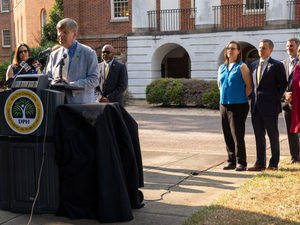
New Mexico has one of the weakest lobbyist disclosure systems in the country, according to a 50-state report card from F Minus. (Patrick Lohmann/Source NM)
Imagine there’s a lobbyist dedicated to helping New Mexicans get better access to cancer care, except this lobbyist also works for an oil and gas company whose drill sites are exposing people to carcinogens.
Imagine there’s a lobbyist for a ski resort that is running out of snow, and even running out of water used to make artificial snow, and yet this ski resort’s own lobbyist also works for an oil and gas trade association whose products are making global warming worse, and ski seasons shorter.
And imagine a university where heroic researchers are documenting the impacts of fossil fuels, chemicals and microplastics on human health…except the university’s lobbying firm also works for the mother of all climate denialists, ExxonMobil.
These three examples may sound like a parody of the obscene power that fossil fuel lobbyists enjoy in New Mexico. Something like WildEarth Guardians’ Exxtreme Energy campaign, which last October mocked climate denialism by almost holding (they were kicked out before they could) a wine-style tasting of pretend produced water at the Albuquerque Balloon Festival.
But these are real examples of New Mexico lobbyists who are effectively playing both sides of the climate crisis. They get paid to further the state’s dependence on fossil fuels, and they also get paid to help people and businesses cope with the impacts of the crisis.
Example number one is the firm Alarid Consulting, whose clients include Chevron and The US Oncology Network. Number two is lobbyist Lawrence Horan, whose clients include the New Mexico Oil & Gas Association and Taos Ski Valley, which is owned by billionaire conservationist Louis Bacon.
And number three is a doozy. In 2024, researchers at the University of New Mexico found trace amounts of plastics in 100% of the human placentas they studied. The vast majority of plastics, a product of the petrochemical industry, end up in landfills where, the UNM researchers explained, they degrade and re-enter the environment and can enter our food. Previous studies of microplastics’ effects on human health have found connections between the pollutant and cardiovascular disease, cancer, metabolic disorders, and fertility complications.
And yet UNM uses the Weaks Law Firm as one of its lobbying arms — as does ExxonMobil, one of the largest producers of the chemicals used to make single-use plastics. In September 2024, California sued ExxonMobil for decades of lying to the public about the recyclability of plastics. The company also produces more than 270,000 barrels of crude oil per day in New Mexico.
What is the Weaks Firm lobbying on for ExxonMobil? Their disclosure for 2025 is the vague and meaningless, “All matters of interest to the employer.” For Alarid Consulting and their work for Chevron, there isn’t even this much, just a blank space where the disclosure should be.
How much are these climate double-agents paid by their fossil fuel clients versus their other clients? Wouldn’t it be nice to know. New Mexico has one of the weakest lobbyist disclosure systems in the country, according to a 50-state report card from F Minus. Lobbyists do not have to disclose compensation received from their clients, or the numbers of bills lobbied upon or positions taken on these bills.
Like their lobbyists, oil and gas companies are given ludicrous leeway to self-report and police themselves when it comes to compliance with state regulations. In February 2023, satellite images showed a major methane leak from one of ExxonMobil’s Eddy County facilities. The company did not admit to this leak until confronted with these images. This demonstrates why New Mexico needs stronger independent monitoring of its oil and gas companies, as well as stronger monitoring of their lobbyists.
Last year, a bill sponsored by Sen. Jeff Steinborn and Rep. Sara Silva would have strengthened the state’s lobbyist law to require disclosure of bills lobbied upon and positions taken on these bills. But this reform bill was vetoed by Gov. Michelle Lujan Grisham, with the disingenuous excuse that elected officials “with a donor base” should also be required to disclose when they change their position on an issue. The governor should change her own position here and demonstrate some independence from her donor base of oil and gas lobbyists by supporting Rep. Silva’s new lobbying reform bill, HB 35. With the climate crisis becoming more severe every year, the activities of fossil fuel lobbyists should not be left to the imagination.
Santa Fe, NM