Provider shortage continues to beleaguer behavioral health system, state officials say
Dec 23, 2025 | 8:00 am ET

Description
More than 20% of the positions in the Nevada Division of Public and Behavioral Health are unfilled. At Northern Nevada Adult Mental Health Services, the vacancy rate is 31%. (Photo: Getty Images)
Northern Nevada’s state-run behavioral health system is heavily reliant on contracted workers as it continues to struggle to fill its vacant positions, lawmakers were told last week.
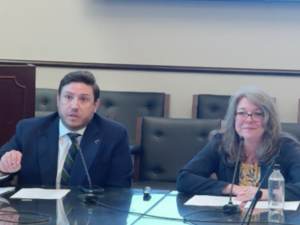
Managers from the state Department of Human Services appeared before the Interim Finance Committee to request the transfer of $1.8 million from its personnel budget line, which covers employee salaries, to its professional services budget line, which covers people working under contracts.
Julie Lindesmith, the manager for Northern Nevada Adult Mental Health Services, told lawmakers the agency has been unable to fill vacancies for licensed professionals.
NNAMHS’ overall employee vacancy rate is 31%, which they’ve brought down from 36% two years ago. However, the vacancy rate for psychiatric nurse positions is 50%, and the vacancy rate for licensed clinical social workers is 55%.
“We have been making great successes in recruiting,” said Lindesmith. “In fact, we even had a psychiatrist come over from contract to a state position. However, it is still difficult to hire psychiatric nurses and licensed clinical social workers.”
As a result, contracted positions are needed to maintain required staffing ratios.
The money transferred by IFC is expected to cover contracted workers until February. NNAMHS is expected to have to appear before the legislative money committee again in April, as it is projecting a budget shortfall. But Lindesmith told lawmakers the agency is attempting to find budget savings.
No internal wage study has been conducted to compare the state’s salary and benefits to other employers within the industry, according to Lindesmith. Recruitment efforts have included community outreach events and mailing flyers to everybody on the state’s licensure list.
Contract workers earn a higher hourly wage but do not receive employee benefits. Lindesmith said many only work one or two days a week for the state. Some who do work 40 hours prefer a schedule (like working four 10-hour shifts) that the state cannot offer due to its collective bargaining agreement.
The Department of Human Services currently has an overall vacancy rate around 15%, according to its website.
Within the department, the Division of Child and Family Services has the highest vacancy rate: 24%. The Division of Public and Behavioral Health, which includes NNAMHS, has a vacancy rate of 21%. The Division of Social Services has the lowest vacancy rate: 9.7%.
Over half of the vacancies across the department are in positions related to medical, health, social services or rehabilitation. Along with psychiatric nurses, mental health technicians, mental health counselors, family services specialists and social workers are listed as the positions with the highest vacancies.
The State of Nevada has been working to lower its employee vacancy rate across all departments and has seen success. Gov. Joe Lombardo announced lowering the vacancy rate as a priority when he took office in 2023 and quickly issued several executive orders aimed at reducing barriers to state employment. Retention bonuses were also awarded to employees that year.
In March 2025, The Nevada Independent reported the state’s total vacancy rate had been cut in half. But vacancy rates within some departments, including the Nevada Department of Corrections and Department of Human Services, have remained stubbornly high.
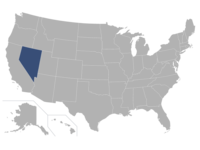
Las Vegas, NV