2026 Session is go time for dental therapist advocates
Sep 21, 2025 | 1:05 pm ET
Description
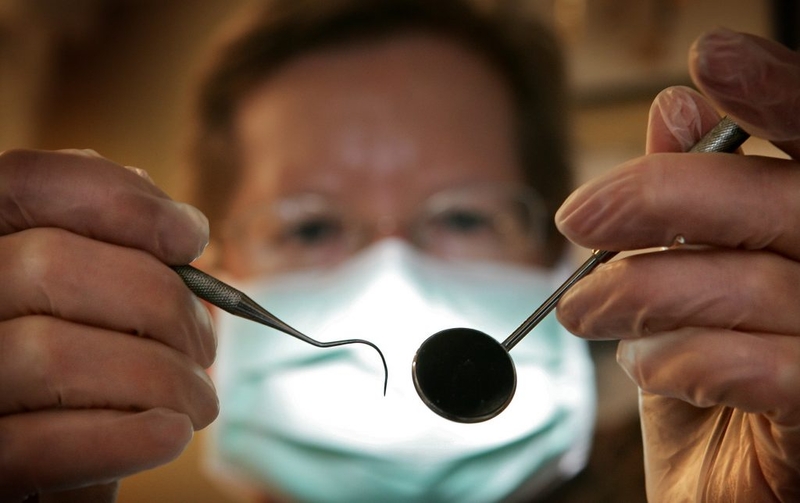
A push is on to expand dental care in Florida via dental therapists, mid-level providers. (Photo by Peter Macdiarmid, Getty Images)
Armed with new data that show nearly $1 billion was spent on dental emergency room and hospital charges in 2024, a wide coalition of health care advocates is pushing the Legislature to approve a new mid-level dental health care provider known as dental therapists.
Floridians for Dental Access is an effort led by Dr. Frank Catalanotto and it’s got the blessing of House Speaker Daniel Perez, R-Miami, who first sponsored the legislation as a freshman legislator. Past attempts have been quashed by the Florida Senate, which has targeted billions on bolstering the state’s health care workforce in recent years but has been unwilling to sign off on the idea.
Rural counties are some of the hardest hit by dental shortages and cost increases with nearly 41% of Florida’s 32 rural counties reporting a 77% increase in dental-related hospital and emergency room billings.
With Senate President Ben Albritton pushing for hundreds of millions in state dollars for rural Florida’s counties and Perez nearing the end of his two-year leadership in the House, Catalanotto says the 2026 session is go time.
“We kinda feel like it’s now or never. It’s gotta be this year,” Catalanotto, a former dean of the University of Florida College of Dentistry, told the Florida Phoenix.
“I can’t be specific about it, but we are working on several approaches to work with the Florida Senate on it. “
Dental therapists are similar to physician assistants. They can perform preventative and routine dental care, such as filling cavities, placing temporary crowns, or extracting teeth. They work under the supervision of dentists, while leaving the more complicated dental procedures for the dentists.
As of now, no bill has been filed for the 2026 session. But the 2025 language would have required dental therapists to follow several steps:
- Graduate from an accredited dental therapy school.
- Complete a dental therapy practical or clinical exam produced by the American Board of Dental Examiners.
- Complete at least 24 hours and up to 36 hours of continuing education biennially to maintain licensure.
Dental therapists would have to work under the supervision of a dentist but that could be under general supervision via a collaborative agreement without having the dentist on-site or without the dentist examining the patient first.
During a CareQuest Institute for Oral Health webinar on dental therapy, panelists testified that dental therapists make about one-third to one-half of what dentists earn. CareQuest is a nonprofit “championing a more equitable future where every person can reach their full potential through excellent health.”
Florida’s got an access problem
The latest available federal Health Resources and Services Administration data show an additional 10,143 dental practitioners are needed nationwide to address the dental health professional shortage. The agency supports programs like scholarships, loan repayment, and training to bolster skilled health workforces in underserved areas.
In Florida the problem is particularly acute.
The state needs 1,259 additional dental providers to care for the nearly 6 million people lacking dental access. Dental health professional shortage areas means there’s a population-to-provider ratio of at least 5,000 to 1.
American Dental Association data demonstrate Florida’s lack of dentists. While the overall dentist-to-100,000 population ratio in the U.S. was 59.5 in 2024, it was 52.4 in Florida. The ADA 2025 report shows that in Florida just 25.6% of the dentists participate in Medicaid, below all neighboring states.
An inside look at the numbers
The WellFlorida Health Planning Council — the private, nonprofit organization and state-designated local health council for 16 counties in North Central Florida — and Floridians for Dental Access have distributed data that show about 146,000 people went to the hospital or emergency department for dental care in 2024 and hospitals billed nearly $1 billion.
“These people are suffering and we as a society are paying for it. What I could have done with $1 billion and a dental therapist would have been unbelievable,” Catalanotto said.
More than 20% of the 2024 tab was billed to Medicaid, the taxpayer-supported health care safety net program for the poor, elderly, and disabled. “No pay” accounted for another 17% ($167.3 million) of the 2024 dental-related billings.
At nearly $1 billion, the 2024 costs represented a 77% increase in hospital billings since the group started tracking the data in 2021.
Between 2021 and 2024, dental costs went up for nearly all 32 rural counties across the state. Only Liberty and Glades counties saw decreases in their hospital-related dental costs during that time.
Conversely, there was a 592% increase in hospital-related dental in Madison County even though the number of patients increased by about 23%.
FDA continues to oppose dental therapy
The Florida Dental Association has long opposed any efforts to create a new mid-level dental professional and 2026 won’t be the exception.
FDA President Dr. John Paul said his association supports policies that ensure all Floridians can receive quality dental care from a “comprehensively trained dentist, along with services provided by qualified dental team members, including dental hygienists and dental assistants, within their scope of training. The FDA continues to advocate for programs that will increase access to dental care and reduce the occurrence of emergency room visits for dental pain and infection.”
In a prepared statement to the Florida Phoenix, Paul also said the FDA supports the state’s dental student loan repayment program, which encourages dentists to practice in underserved areas around the state. “These ready-to-implement initiatives work to create more opportunities for people to access dental care and establish a dental home.” He also said the FDA has has helped spearhead a training at Tallahassee State College called the Restorative Functions for Dental Auxiliary (RFDA) Certification Program, which he alleges has far reaching benefits. “This model is geared to be replicated around the state and won’t take years to implement – unlike the dental therapy model, which has been shown to need significant funding to support and take years to implement,” Paul said.
Catalanotto conceded the FDA, which he once belonged to, has a “wonderful lobbying system,” and a strong PAC.
“Everyone of these legislators has a dentist. And they can get their ear. And they can tell them stories,” Catalanotto laments.
The American Children’s Campaign is another proponent of dental therapy. Its president, Roy Miller, criticized the FDA for its pushback against dental therapy, saying in a prepared statement that it “ignores the soaring pain and suffering and doesn’t make any sense.”
“Dental therapists must pass the exact same licensing exam as dentists for the procedures they perform. They would be supervised by dentists. And it would be voluntary on whether a dentist would add them to their practice, as well. There are many dentists in Florida who support dental therapy, and the FDA certainly doesn’t speak for them.”
This story has been updated to include comment from the Florida Dental Association which submitted written comments to the Florida Phoenix. A previous edition of the story mistakenly said the FDA did not respond to comment by press time.
Tallahassee, FL