With WV’s history, it’s no surprise most opioid settlement money has gone to law enforcement
Jul 29, 2025 | 5:55 am ET
Description
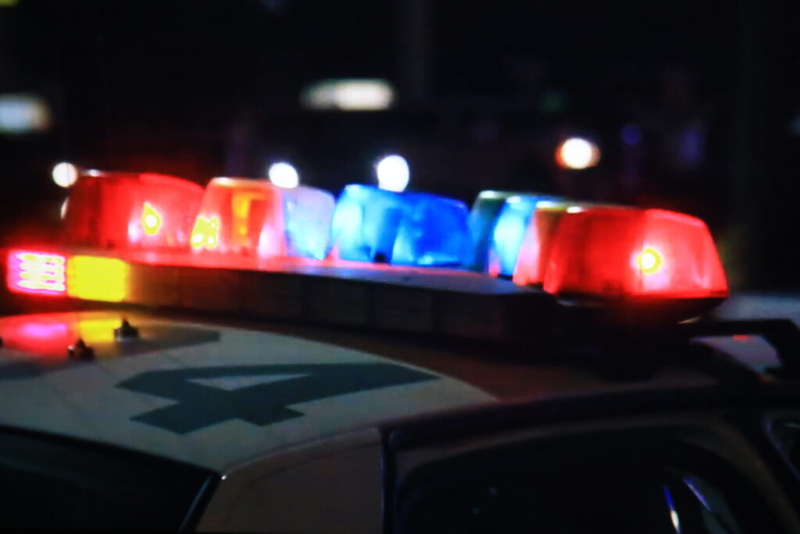
Majority of the money cities and counties received from the state's opioid settlement has gone to law enforcement, according to a spending report from the West Virginia First Foundation.
(Douglas Sacha | Getty Images)
For those who have been following the state’s opioid epidemic over the years, it probably came as no surprise more than half of the money cities and counties spent last year from their first share of the settlement funds went to law enforcement.
West Virginia has a serious drug problem. For years, the Mountain State has been referred to as “ground zero” for the nation’s ongoing drug and overdose epidemic.
Research has proven that the most effective way to help people who use drugs intravenously is syringe service programs. These programs provide free needles for drug users to help stop the spread of diseases, like HIV and hepatitis C.
However, those programs are banned in West Virginia.
And while harm reduction programs have proven to be effective, lawmakers continue to make it difficult to open or run them.
The National Institute on Drug Abuse says that the best way to help people addicted to opioids is to treat them with medication, like methadone, which is more effective for people addicted to fentanyl. Researchers say more methadone centers are needed to help with the drug epidemic.
West Virginia has nine methadone clinics, and state law prohibits any more from opening.
There’s also a shortage of treatment beds — specifically in the areas of the state that have been hardest hit by the drug epidemic.
Instead of passing any laws that are considered “best practices” to aid those in recovery and addiction, lawmakers have chosen to focus on criminalization of people who suffer from substance use disorder and harsher penalties for those drug dealers (which, oftentimes, are themselves suffering from substance use disorder).
So after West Virginia Watch reporter Caity Coyne spent hours and hours putting together data from a spending report from the West Virginia First Foundation, neither of us were shocked when the numbers showed the majority (52.76%) of the money went to law enforcement.
Rehabilitation, recovery and treatment programs received only 6.43% of the initial round of localities’ opioid funding.
The state’s memorandum of understanding dictates how the opioid funds can be spent — which is basically on anything that can be used to help drug abatement efforts.
Caity reported that police across the state have so far received $3.64 million of the opioid settlement money, for things like 22 new police cruisers, officers’ salaries, drug K-9 teams, firearms, ammo and a new shooting range.
Sure, you can argue that police will keep drug dealers off the street and that helps with the drug epidemic. But new guns and ammo? A shooting range? Drones? It doesn’t inspire much confidence or hope that so many of the agencies responding to these issues seem to be entering the situation with the presumed need to fire their guns.
Granville Police invested more than $7,000 in “more accurate” firearms. The Madison Police Department bought a moving shooting target system that can mimic the “unpredictable movement, variable speeds and irregular patterns” of people in a “mental health crisis” or who are suffering from “drug-induced psychosis or aggression.”
Or if they must have weapons, a better use of the money would be on less lethal items, like tasers or stun guns. Or training like Law Enforcement Assisted Diversion (LEAD), which teaches officers to divert individuals struggling with drug addiction into intensive support programs instead of putting them in jail.
It’s also disappointing to see counties spend the money on their jails. I understand that running a jail is expensive, but this is one-time money. And, to be clear, if we’re putting such a large portion of money into law enforcement to increase arrests, these jail bills are only going to rise.
There are ways that counties can lessen those operating costs — such as harm reduction programs and alternative sentencing instead of jailing people, and creating shelter beds for homeless people instead of arresting them for being homeless.
More than 65% of this first round of opioid settlement money has been used on things that are not at all proven to help with the state’s drug problem. This money was split between law enforcement, jail bills and local governments paying their bills.
Meanwhile, just around 31% went to areas that actually provide direct services and, possibly, save some lives.
Quick response teams, which are often a mix of police officials, counselors, peer coaches and first responders, received 9.92%. Emergency medical services received 9.3%. Since they often respond to drug overdose calls, it makes more sense for them to receive funding for vehicles and equipment.
It sounds great that youth services received money, even if it was only 5.98%, until you look at where most of it went.
GameChanger is a drug prevention program established in 2018 that has set a goal to be in all West Virginia schools. The program has dozens of sponsors, and according to tax documents, received about $1 million in funding from businesses, the government and private companies, according to reporting from West Virginia University.
A teacher participating in the GameChanger program said “There’s no real curriculum,” and they must plan lessons themselves. Prevention experts say the program lacks a research-backed curriculum and has no measurable outcomes to show.
Just like the state Legislature, cities and counties have — for the most part — chosen to ignore experts and use this funding in a way that won’t help reduce drug overdoses.
Until lawmakers start listening to actual medical experts, things will never improve.
Charleston, WV