The future of farming cannot be built on forced labor
Jul 17, 2026 | 11:00 am ET
Description
Jarvis DeBerry/Louisiana Illuminator
In Louisiana, farming is more than an industry. It is part of our history, our economy, and our communities. The people who work the land feed families across our state and country. That work should be treated with dignity.
As people who have worked the land in Louisiana, we believe that farming can be honorable, skilled, and essential work. We also know the damage done when that same work is used as punishment. Through direct experience on Angola’s farm line, we know incarcerated men are forced to work plantation fields under the watchful eyes of armed overseers.
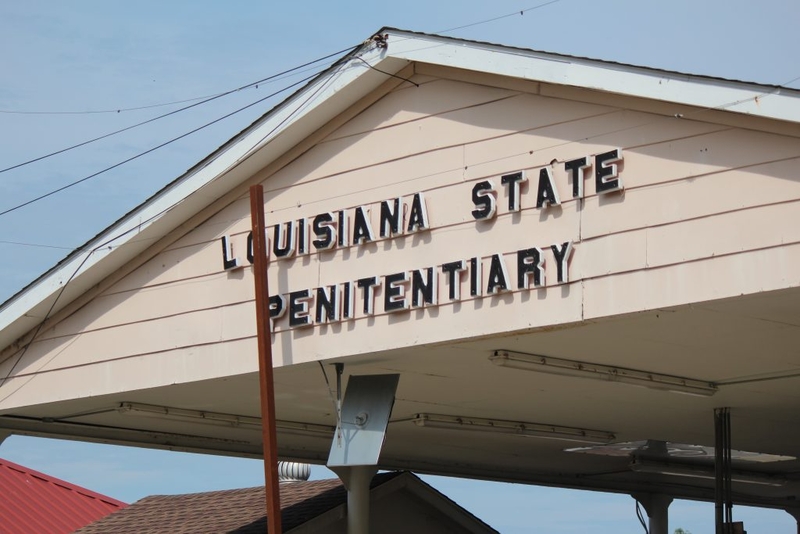
At the Louisiana State Penitentiary, also known as Angola, incarcerated men are forced to work long hours in the fields often in extreme heat. For the men on the farm line, agricultural labor is not a pathway to opportunity. It is a state-enforced practice of degradation and dehumanization.
That is why a federal court’s recent farm line decision is such a profound disappointment, not only for the men forced to work Angola’s fields, but for everyone who cares about human dignity and the future of Louisiana farming.
In VOTE v. LeBlanc, men currently and formerly incarcerated at Angola, represented by the Promise of Justice Initiative and Rights Behind Bars, sued Louisiana prison officials over farm line conditions. They argued that forcing men to work in dangerous heat under conditions intended to simulate chattel slavery violated constitutional protections against cruel and unusual punishment. In his decision, U.S. District Judge Brian Jackson, an appointee of President Barack Obama, acknowledged the severity of those conditions but said he was constrained from ordering the state to fix the problem due to a recent ruling.
In other words, the court recognized the harm, but the farm line continues.
At its core, the farm line is a human rights issue. Men incarcerated at Angola are forced to work the land without control over what is planted, without meaningful training and without agency over their pace. If they fail to meet quotas, they can face additional punishment, including solitary confinement.
Angola has argued that the farm line provides work experience. But if the purpose is workforce development, where are the farmers it produced? Where are the people using agricultural skills learned at Angola to build careers?
This is not an abstract issue for us. Through firsthand experience on Angola’s farm line, we know there is nothing rehabilitative about it. It is psychological and physical punishment. We know more than 100 people who have gotten out of Angola, and not one of them farms or works the fields for a living.
Instead of opening doors into farming, the farm line pushes people away. Formerly incarcerated Louisianans who worked on the farm line actively avoid farming because of the trauma they experienced there. Rather than teaching that working the land is honorable, the farm line reinforces the idea that agricultural labor is degrading, punitive and forced.
As a farmer and a former farm line worker, we know a healthy food system requires workers to be respected, fairly compensated and valued for our expertise. Massive corporate farms and Big Ag, like prison farms, mistreat workers and threaten our food system’s resiliency and sovereignty.
Our food system must be built by workers who choose, for themselves, to do this meaningful work that is rooted in care for the land and each other. Anything else leaves us all vulnerable to system failure.
The men currently incarcerated at Angola are food workers in their own right. They are forced food workers. Any conversation about the future of farming, food justice or agricultural labor in Louisiana must include all of us.
If Louisiana truly wants a stronger agricultural future, we cannot separate people from the land through punishment and call it rehabilitation.
Louisiana deserves a correctional system that prepares people for successful re-entry, an agricultural system built on dignity rather than exploitation and a public conversation honest enough to recognize that slavery’s legacy is not only in the past.
The future of farming cannot be built on forced labor. It must be built on dignity, respect and freedom for all who work the land.
End the farm line.
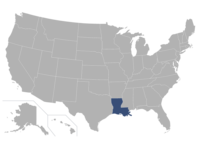
Baton Rouge, LA